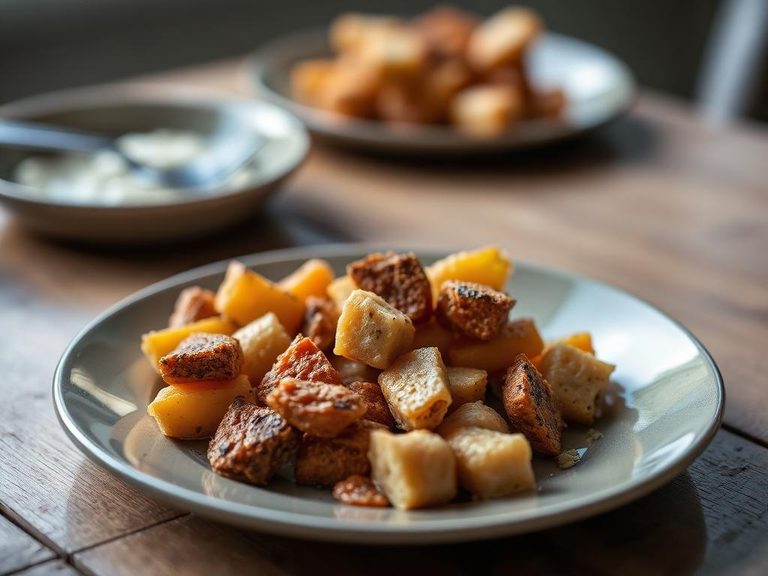
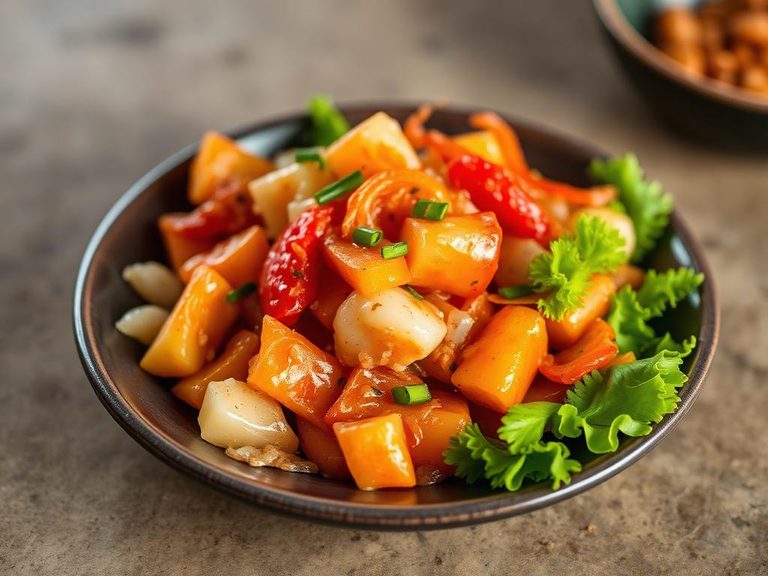
Eaten as a standalone dried snack
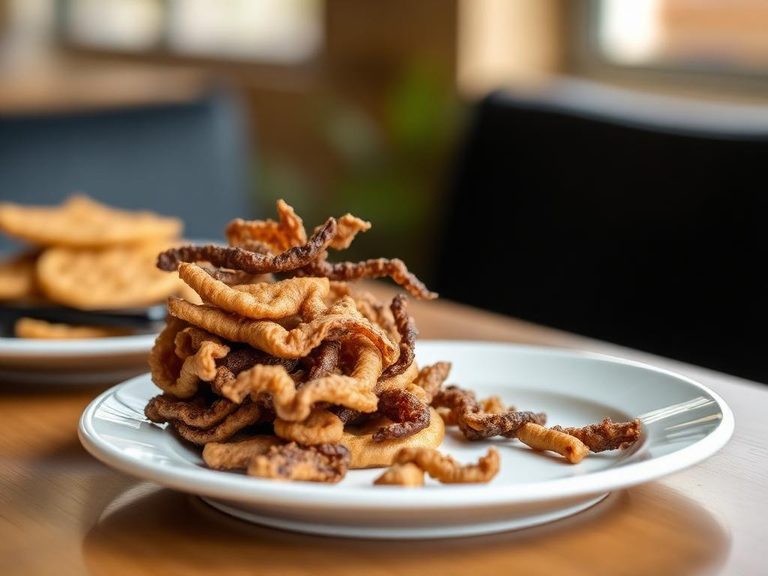
Dried mango slices are a popular standalone snack made by dehydrating fresh mango, often with added sugar or preservatives. This tropical treat originates from regions where mangoes are abundant, such as Southeast Asia, India, and Latin America, and is enjoyed worldwide for its intense sweetness and chewy texture.
🍽️ Nutrition at a glance
This snack is primarily high in carbohydrates, especially natural and added sugars, with minimal protein or fat. It provides a concentrated source of quick energy, along with notable amounts of vitamin A, vitamin C, and potassium, with a typical serving containing around 120-150 calories.
Nutrition breakdown
| Calories | 130 kcal |
| Protein | 0.5 g |
| Carbs | 32 g |
| Fat | 0 g |
| Fiber | 2 g |
| Sugar | 28 g |
| Sodium | 10 mg |
| Vitamin A | 45 mcg RAE |
| Vitamin C | 30 mg |
| Potassium | 200 mg |
| Vitamin B6 | 0.1 mg |
| Copper | 0.1 mg |
Per 1/2 cup (40 g) · estimated, varies by recipe
💡 What's interesting
Culturally, dried mango is a beloved way to preserve the fleeting harvest of mangoes, allowing their vibrant flavor to be enjoyed year-round. Nutritionally, the dehydration process concentrates the fruit's natural nutrients, making it a more nutrient-dense snack per gram than fresh mango, though also higher in sugar.