Eaten plain as a trail snack or survival ration
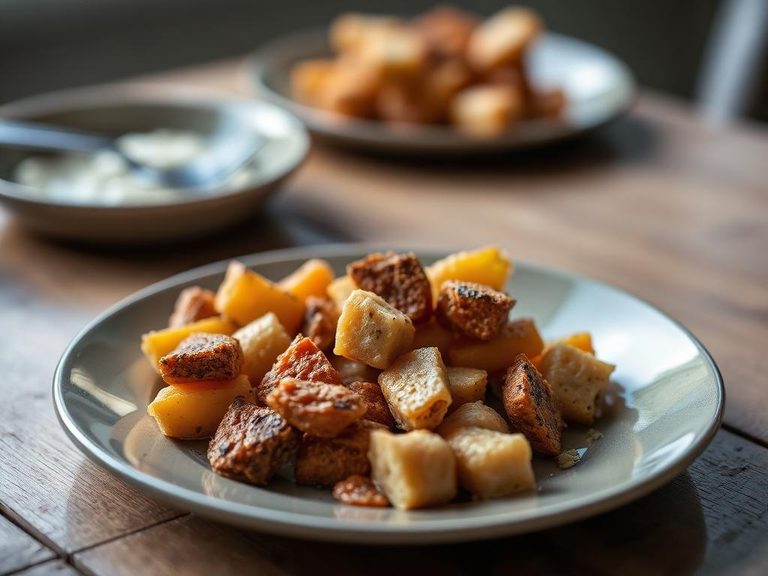
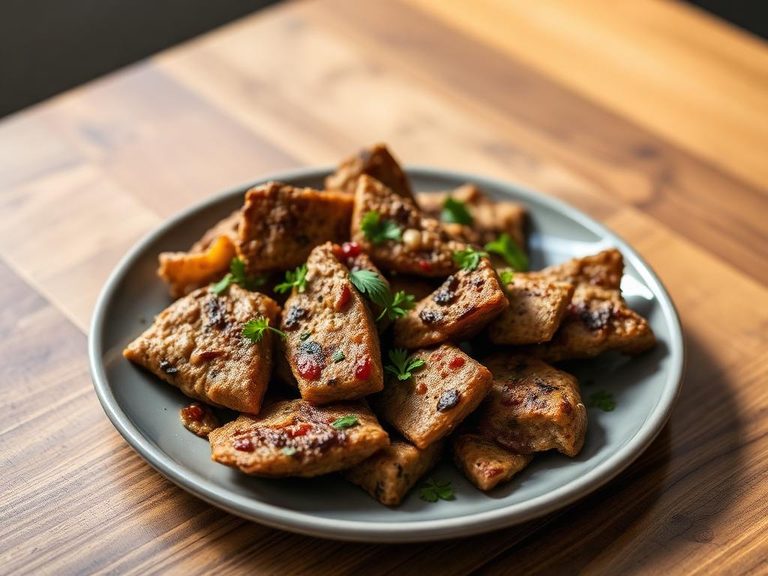
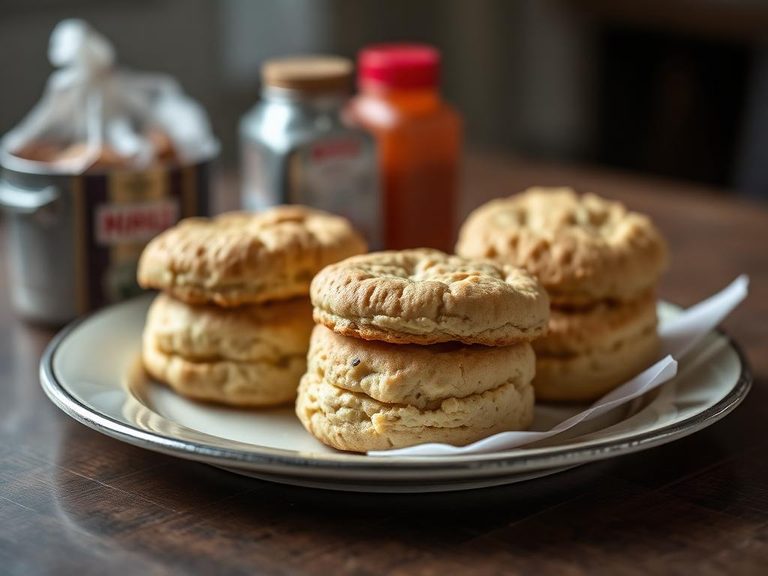
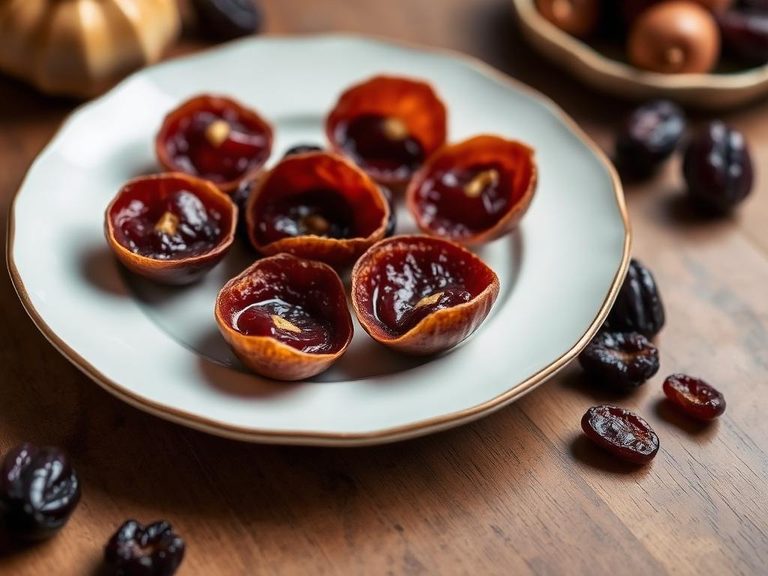
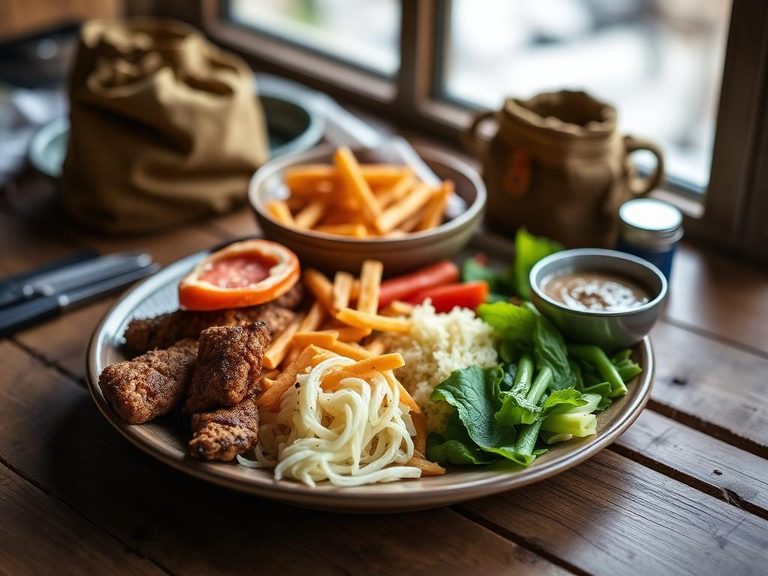
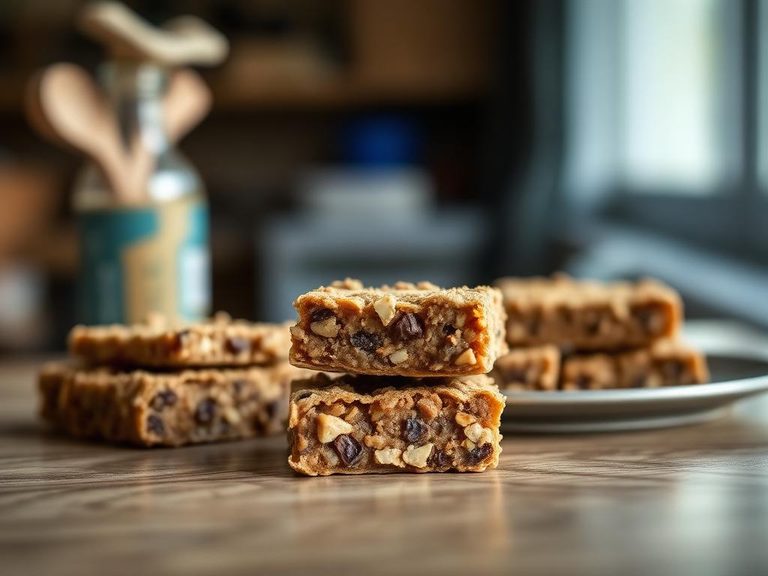
This dish is a dense, energy-rich bar or cake made from a blend of grains, nuts, seeds, and dried fruits, often bound with honey or syrup. It is a portable, non-perishable food designed for sustained energy during outdoor activities. While its origins are ancient, modern versions are popular worldwide among hikers, campers, and as emergency provisions.
🍽️ Nutrition at a glance
It is typically high in carbohydrates and healthy fats, providing a quick and sustained energy boost. Key nutrients include dietary fiber, iron, magnesium, and potassium, with a rough calorie range of 250-400 kcal per standard bar.
Nutrition breakdown
| Calories | 280 kcal |
| Protein | 8 g |
| Carbs | 38 g |
| Fat | 12 g |
| Fiber | 5 g |
| Sugar | 18 g |
| Sodium | 120 mg |
| Iron | 3.2 mg |
| Magnesium | 65 mg |
| Potassium | 220 mg |
| Phosphorus | 110 mg |
| Zinc | 1.8 mg |
| Vitamin E | 2.5 mg |
| Thiamin (B1) | 0.3 mg |
| Niacin (B3) | 2.1 mg |
Per 1 bar (60 g) · estimated, varies by recipe
💡 What's interesting
Historically, similar formulations like pemmican were vital for indigenous peoples and explorers, serving as a complete survival food. Nutritionally, its unique blend of macronutrients is engineered to prevent energy crashes during prolonged physical exertion.