Emergency food ration bars
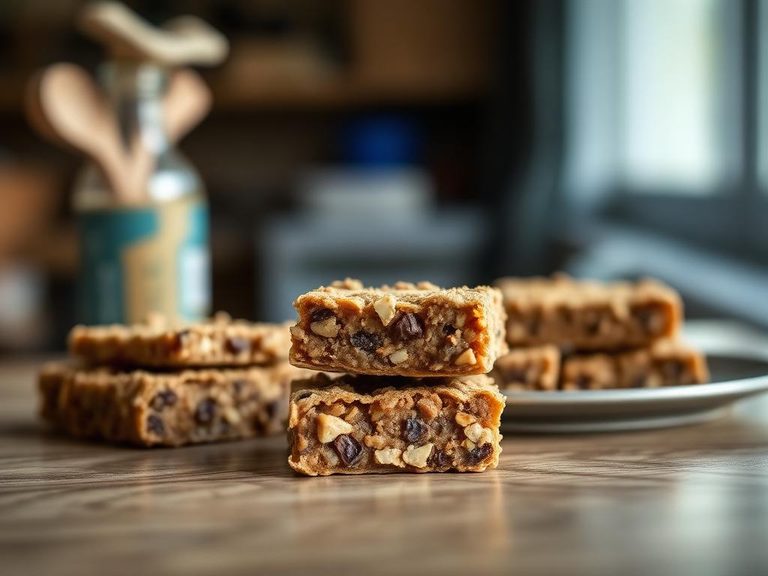
Emergency food ration bars are dense, shelf-stable food bars designed for survival situations, outdoor expeditions, and disaster preparedness. They are typically made from a blend of grains, sugars, fats, and sometimes protein sources, engineered to provide high energy in a compact, durable form. Originally developed for military and maritime use, they are now widely available to the general public for emergency kits.
🍽️ Nutrition at a glance
These bars are extremely high in carbohydrates and fats, providing a rapid and sustained energy source with a calorie density of approximately 400-450 calories per 100 grams. They are designed to deliver a significant amount of energy in a small serving, often containing a mix of simple and complex carbohydrates, along with essential vitamins and minerals to support basic nutritional needs in a crisis.
Nutrition breakdown
| Calories | 450 kcal |
| Protein | 8 g |
| Carbs | 55 g |
| Fat | 22 g |
| Fiber | 3 g |
| Sugar | 15 g |
| Sodium | 300 mg |
| Vitamin A | 900 mcg |
| Vitamin C | 60 mg |
| Calcium | 200 mg |
| Iron | 8 mg |
| Potassium | 350 mg |
| Vitamin D | 10 mcg |
| Vitamin B12 | 2.4 mcg |
| Magnesium | 80 mg |
Per 1 bar (100 g) · estimated, varies by recipe
💡 What's interesting
The most unique aspect of emergency ration bars is their engineered shelf life, often lasting 5 to 10 years or more without spoiling, and their ability to be consumed in extreme temperatures. They are also formulated to be non-thirst-provoking, a critical feature for survival situations where water is scarce, and are often flavored to be palatable enough to eat repeatedly without causing flavor fatigue.