Camping or emergency food supply
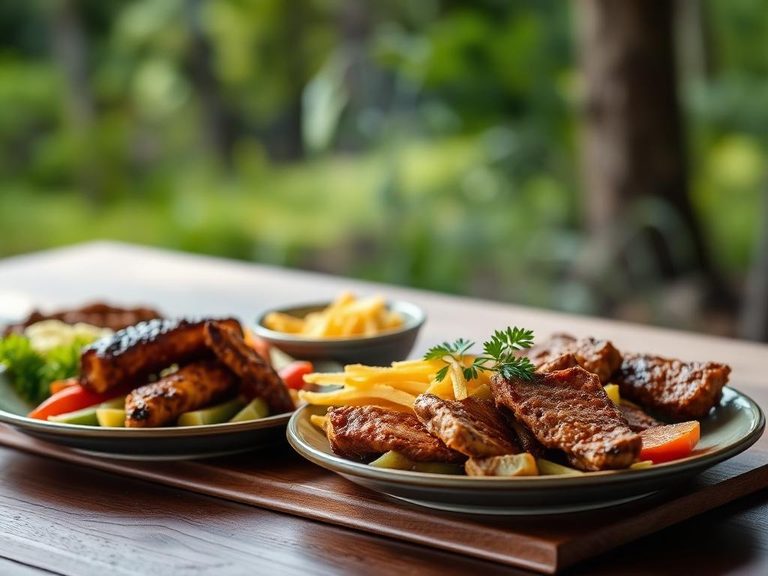
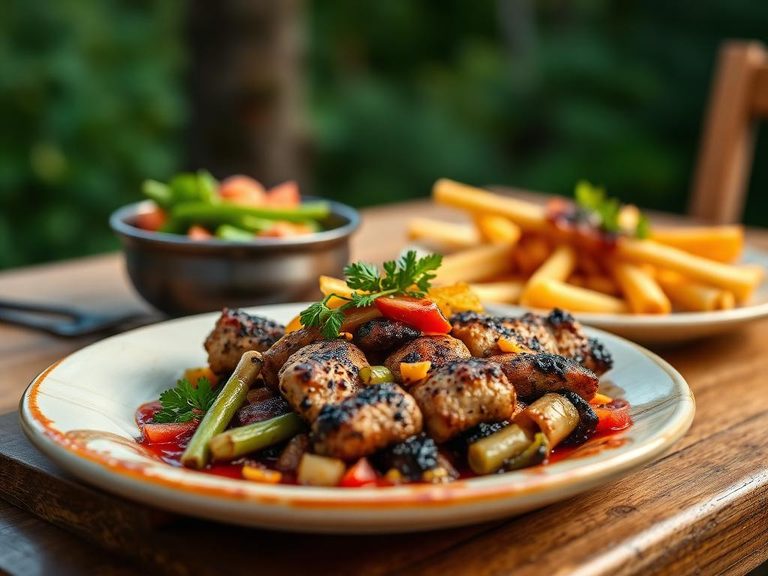
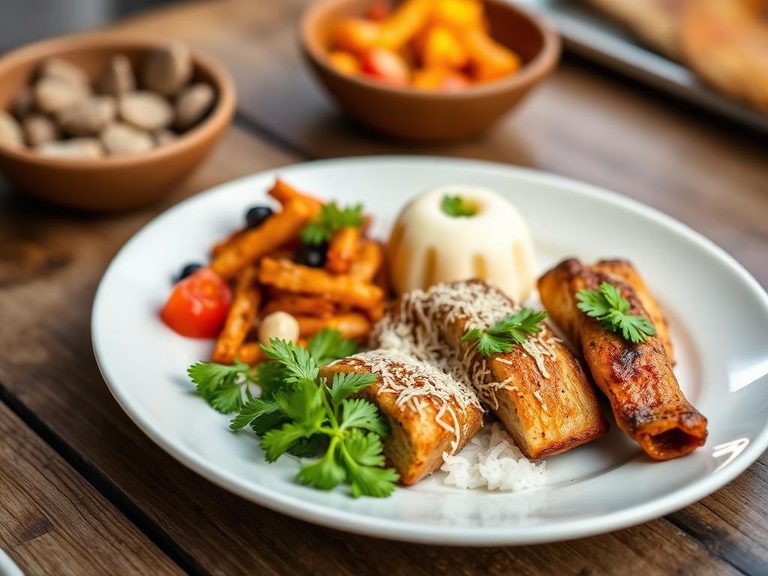
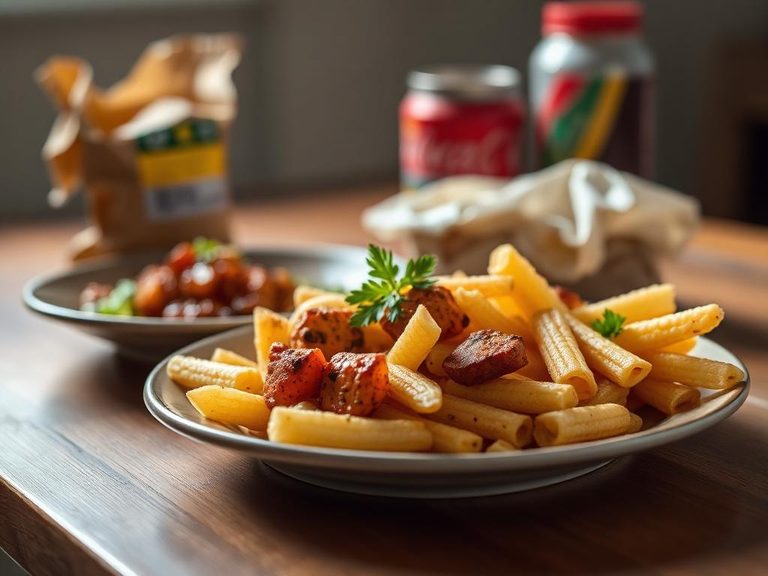
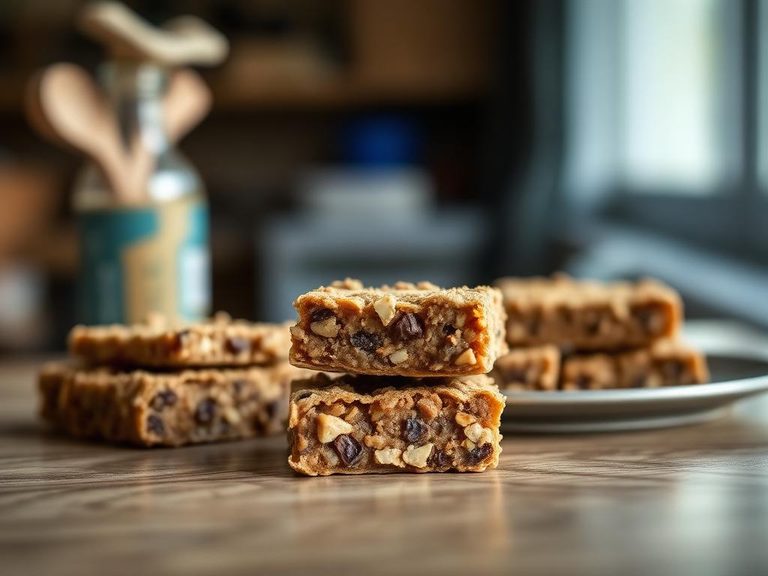
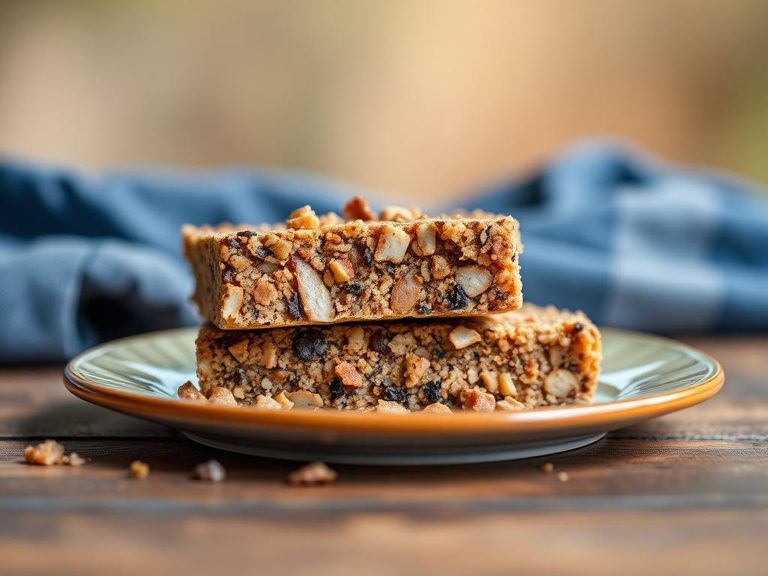
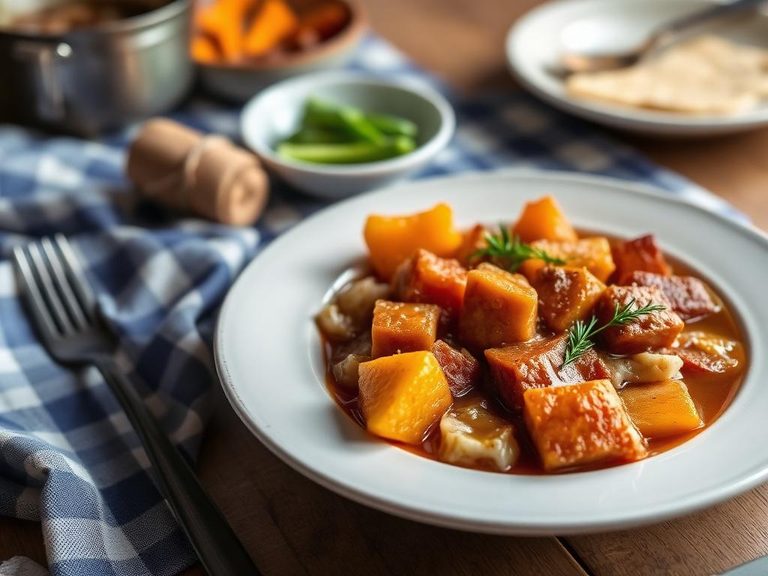
Camping or emergency food supply refers to a category of non-perishable, calorie-dense foods designed for long-term storage and easy preparation in outdoor or survival situations. Common examples include freeze-dried meals, energy bars, canned goods, and dehydrated soups, which originated from military and outdoor recreation needs. These foods prioritize shelf stability, lightweight packaging, and high energy content to sustain individuals when fresh food is unavailable.
🍽️ Nutrition at a glance
These foods are typically high in carbohydrates and fats to provide quick and sustained energy, with moderate protein content. Key nutrients often include sodium for electrolyte balance, iron for oxygen transport, and B vitamins for metabolism, with a rough calorie range of 300-600 kcal per serving depending on the specific item.
Nutrition breakdown
| Calories | 450 kcal |
| Protein | 22 g |
| Carbs | 55 g |
| Fat | 15 g |
| Fiber | 3 g |
| Sugar | 8 g |
| Sodium | 980 mg |
| Iron | 4 mg |
| Potassium | 620 mg |
| Vitamin C | 15 mg |
| Calcium | 120 mg |
| Vitamin A | 300 mcg |
| Thiamin (B1) | 0.8 mg |
| Niacin (B3) | 10 mg |
| Phosphorus | 250 mg |
Per 1 pouch (120 g) of freeze-dried chicken and rice · estimated, varies by recipe
💡 What's interesting
Culturally, these foods have evolved from military rations to a staple in hiking, backpacking, and disaster preparedness, reflecting a blend of practicality and innovation. Nutritionally, they are engineered to maximize calorie-to-weight ratio while often fortified with vitamins and minerals to prevent deficiencies in isolated environments.