Emergency food rations
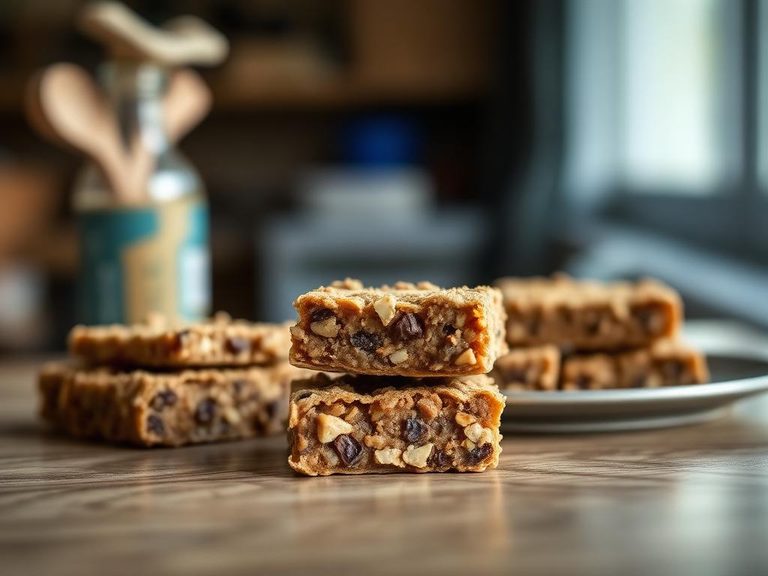
Emergency food rations are non-perishable, calorie-dense food products designed for long-term storage and immediate consumption during crises like natural disasters or survival situations. They typically consist of compressed, fortified bars or biscuits made from ingredients like enriched wheat flour, vegetable shortening, sugar, and added vitamins and minerals, originating from the United States military and civil defense sectors.
🍽️ Nutrition at a glance
These rations are extremely high in carbohydrates and fats to provide quick and sustained energy, with a relatively low protein content. A single serving can deliver a significant portion of daily caloric needs, often around 400-500 calories, and is fortified with essential vitamins and minerals to prevent deficiencies during prolonged use.
Nutrition breakdown
| Calories | 300 kcal |
| Protein | 3 g |
| Carbs | 38 g |
| Fat | 16 g |
| Fiber | 1 g |
| Sugar | 12 g |
| Sodium | 200 mg |
| Vitamin A | 150 mcg RAE |
| Vitamin C | 15 mg |
| Calcium | 100 mg |
| Iron | 4 mg |
| Potassium | 150 mg |
| Vitamin D | 2 mcg |
| Vitamin B12 | 0.6 mcg |
| Zinc | 2 mg |
Per 1 bar (64 g) · estimated, varies by recipe
💡 What's interesting
Culturally, they are iconic symbols of preparedness and survivalism, often associated with military readiness and emergency kits. Nutritionally unique is their extreme shelf life (often 5+ years) and their formulation to provide all necessary macronutrients in a compact, non-thirst-provoking form, which is critical in situations where water is scarce.