

Pantry staple for emergency food kits
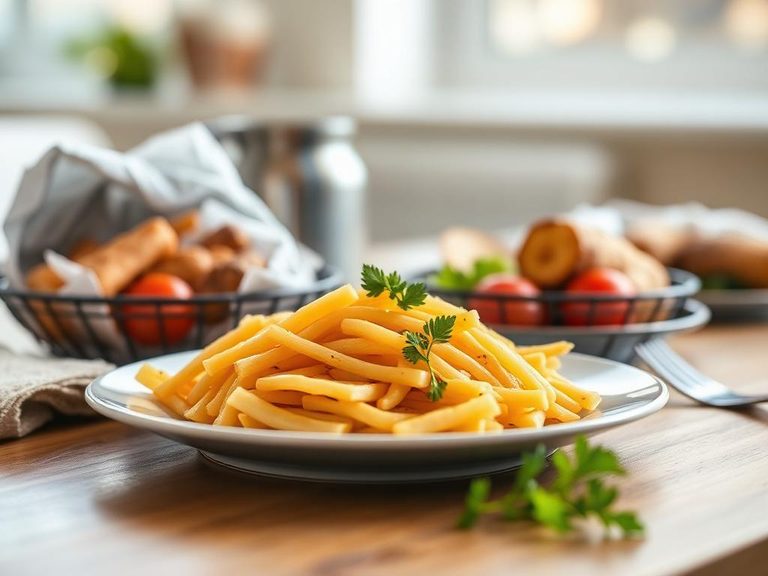
Emergency food kits often feature shelf-stable, calorie-dense staples like peanut butter, canned tuna, and energy bars, designed for long-term storage and immediate energy. These items are typically non-perishable, require no cooking, and are sourced from global food manufacturing, with common ingredients including nuts, grains, dried fruits, and preserved proteins. They are a practical solution for disaster preparedness, hiking, or survival situations.
🍳 View the full Pantry staple for emergency food kits recipe →
🍽️ Nutrition at a glance
These staples are generally high in calories from fats and carbohydrates, providing quick energy and essential nutrients like protein, fiber, and vitamins. A typical serving can range from 200 to 500 calories, depending on the item, making them efficient for sustaining energy during emergencies.
Nutrition breakdown
| Calories | 660 kcal |
| Protein | 22 g |
| Carbs | 110 g |
| Fat | 14 g |
| Fiber | 12 g |
| Sugar | 5 g |
| Sodium | 1200 mg |
| Iron | 10 mg |
| Calcium | 150 mg |
| Potassium | 500 mg |
| Vitamin C | 60 mg |
| Thiamin (B1) | 1.2 mg |
| Niacin (B3) | 14 mg |
| Folate | 250 mcg |
| Zinc | 3 mg |
Per 1 cup (185 g) · estimated, varies by recipe
💡 What's interesting
Culturally, emergency food kits reflect a blend of convenience and survivalism, often drawing from traditional preserved foods like pemmican or hardtack. Nutritionally, they are engineered for shelf stability and balanced macronutrients, showcasing modern food science's role in addressing preparedness needs.
🍽️ Related dishes

AI estimate may be inaccurate · Terms