

Tuna, ahi or yellowfin, frozen, wild caught
Whole food · Finfish and Shellfish Products
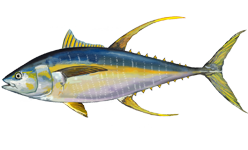
Photo: Wikipedia
Wild-caught ahi tuna is a lean, deep-red fish with a firm, meaty texture and a clean, subtly sweet ocean flavor. Its frozen state locks in peak freshness, making it a reliable, high-protein staple for quick meals. With virtually no carbohydrates, it's a powerhouse of pure protein, ideal for low-carb and high-protein diets.
Calorie split: 97% protein · 0% carbs · 3% fat
↓ Full nutrition💚 Why it's loved
People love it for its steak-like texture and clean, umami-rich flavor that shines in both raw and cooked preparations. Its versatility makes it a star in everything from simple seared steaks to complex poke bowls and sushi.
⚠️ Watch-outs & how to enjoy it better
Some may find its frozen state can lead to a slightly drier texture if overcooked or thawed improperly. It is a common fish allergen, and certain populations should be cautious of mercury levels in larger tuna species. To counteract dryness, thaw slowly in the fridge and cook to a medium-rare center; pair with a flavorful sauce or marinade to add moisture and taste.
Key benefits
- Exceptionally high in lean protein for muscle repair and satiety
- Naturally zero-carb, supporting low-carb and ketogenic diets
- Rich in omega-3 fatty acids for heart and brain health
- Source of selenium, a key antioxidant mineral
- Wild-caught sourcing often means fewer contaminants than farmed
🍽️ Popular dishes
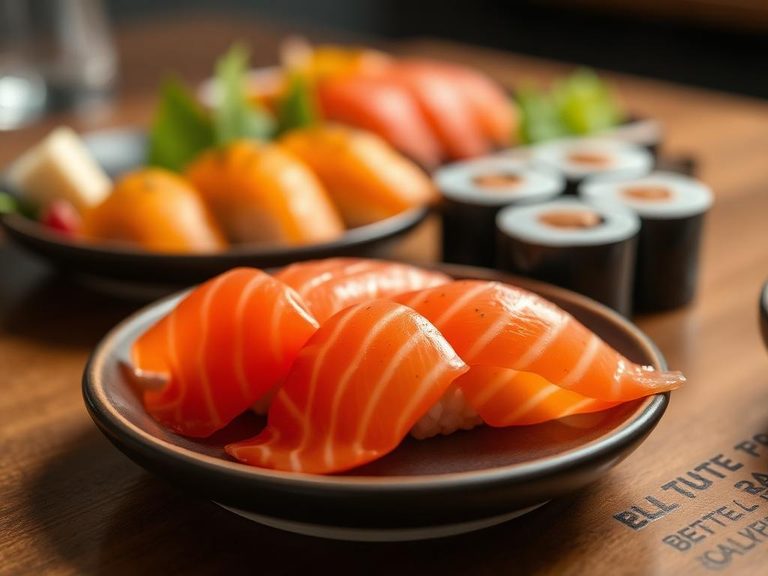
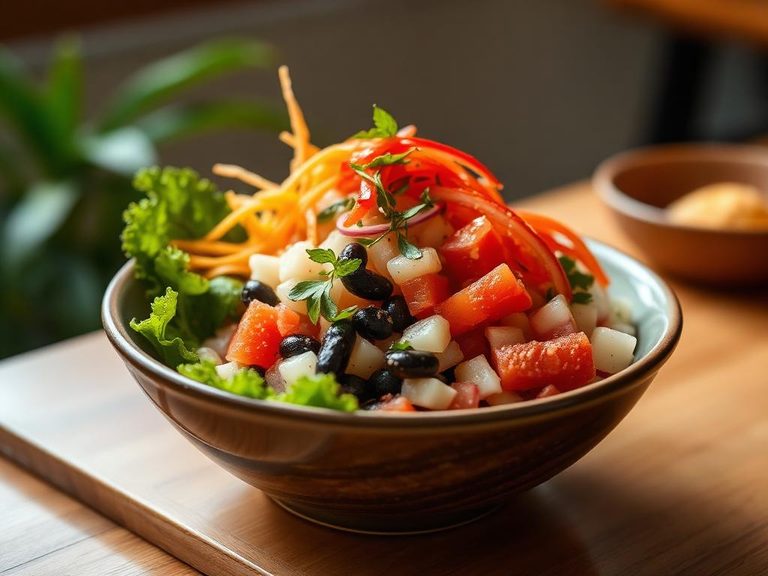
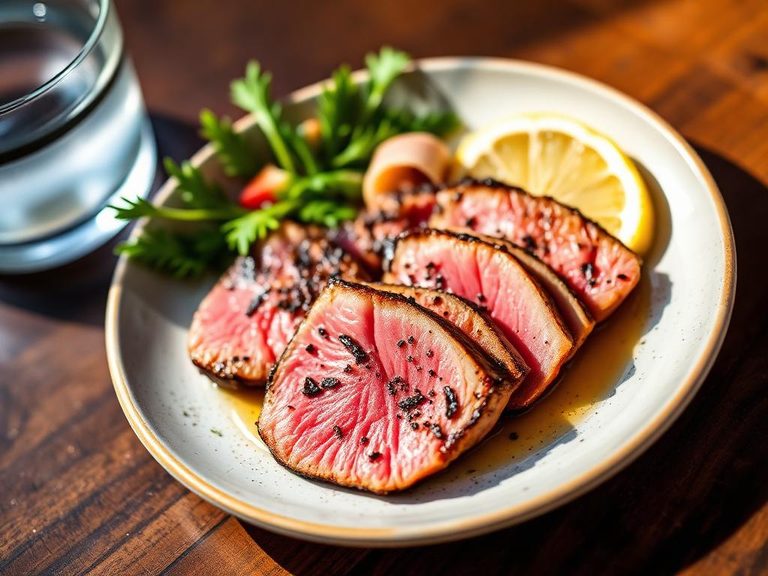
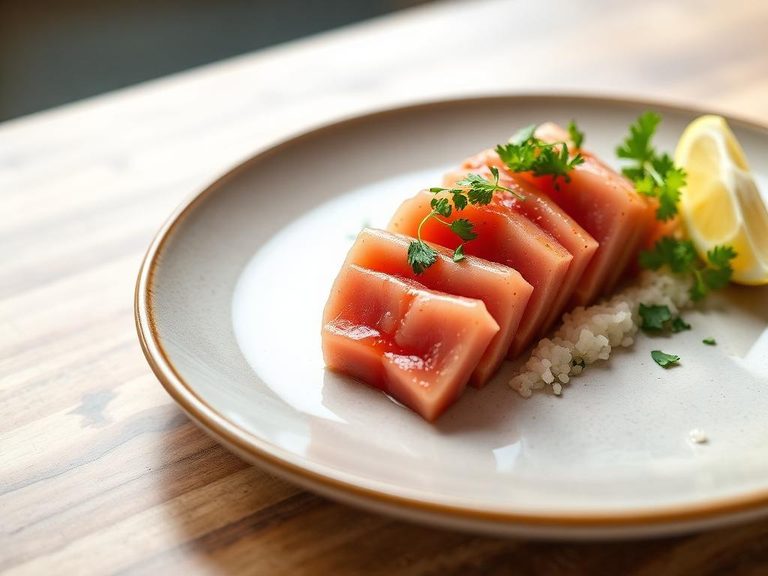
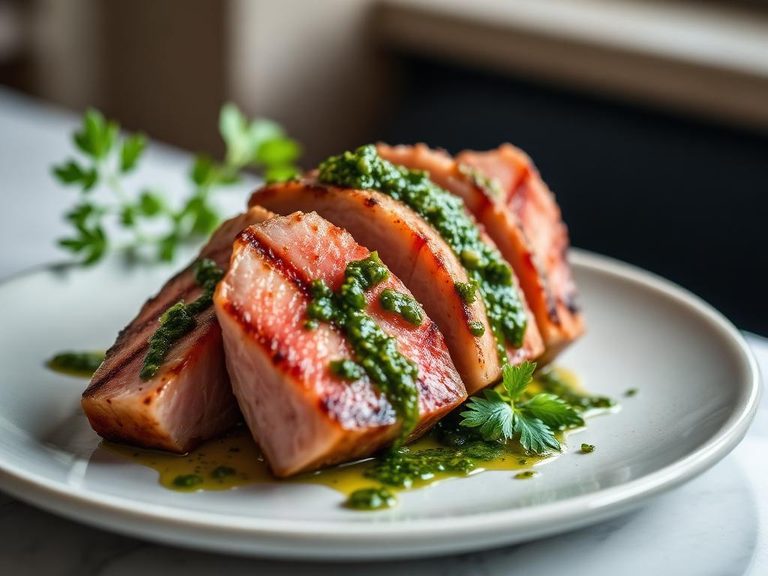
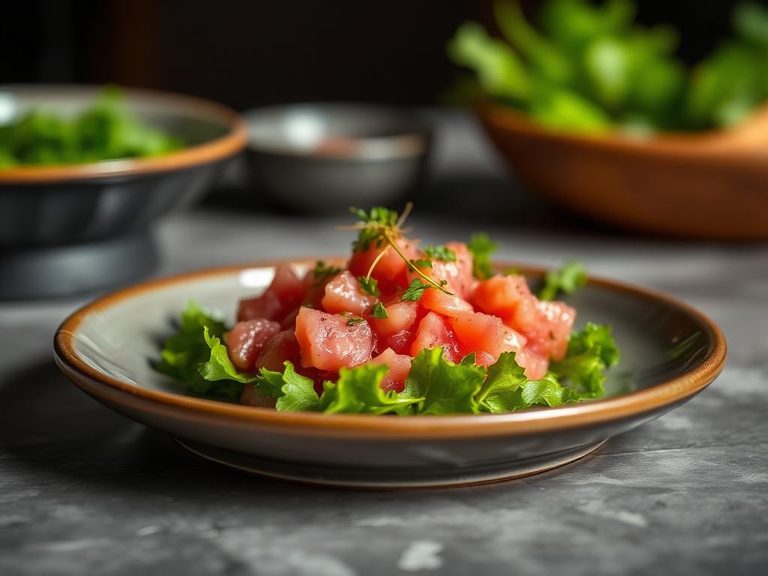
🌍 Where it's eaten
💡 Did you know?
Ahi tuna can swim at speeds up to 50 miles per hour, making it one of the fastest fish in the ocean.
Full nutrition (USDA data · scales with serving)
| Water | 73.5 g |
| Energy (Atwater General Factors) | 102 kcal |
| Nitrogen | 4.0 g |
| Protein | 24.7 g |
| Total lipid (fat) | 0.39 g |
| Ash | 1.5 g |
| Carbohydrate, by difference | -0.10 g |
| Calcium, Ca | 3.2 mg |
| Iron, Fe | 0.59 mg |
| Magnesium, Mg | 35.5 mg |
| Phosphorus, P | 271 mg |
| Potassium, K | 420 mg |
| Sodium, Na | 94.4 mg |
| Zinc, Zn | 0.35 mg |
| Copper, Cu | 0.03 mg |
| Manganese, Mn | 0.00 mg |
| Selenium, Se | 76.5 ug |
| Vitamin B-12 | 1.4 ug |
Fat & fatty acid profile (per 100g)
Estimated from Fish, tuna salad — USDA does not publish this profile for Tuna.
| Fatty acids, total saturated | 1.5 g |
| SFA 14:0 | 0.01 g |
| SFA 16:0 | 1.3 g |
| SFA 18:0 | 0.25 g |
| Fatty acids, total monounsaturated | 2.9 g |
| MUFA 16:1 | 0.04 g |
| MUFA 18:1 | 2.8 g |
| MUFA 20:1 | 0.01 g |
| Fatty acids, total polyunsaturated | 4.1 g |
| PUFA 18:2 | 3.7 g |
| PUFA 18:3 | 0.33 g |
| PUFA 20:5 n-3 (EPA) | 0.01 g |
| PUFA 22:6 n-3 (DHA) | 0.06 g |
| Cholesterol | 13.0 mg |
Amino acid profile (per 100g)
Estimated from Fish, tuna salad — USDA does not publish this profile for Tuna.
| Tryptophan | 0.18 g |
| Threonine | 0.70 g |
| Isoleucine | 0.74 g |
| Leucine | 1.3 g |
| Lysine | 1.5 g |
| Methionine | 0.47 g |
| Cystine | 0.17 g |
| Phenylalanine | 0.63 g |
| Tyrosine | 0.54 g |
| Valine | 0.82 g |
| Arginine | 0.97 g |
| Histidine | 0.47 g |
| Alanine | 0.96 g |
| Aspartic acid | 1.6 g |
| Glutamic acid | 2.4 g |
| Glycine | 0.77 g |
| Proline | 0.56 g |
| Serine | 0.66 g |
FAQ
How should I thaw frozen ahi tuna?
The best method is to thaw it slowly in the refrigerator for 12-24 hours. For a quicker thaw, place the sealed package in cold water, changing the water every 30 minutes. Avoid thawing at room temperature.
Is frozen ahi tuna safe to eat raw?
Yes, if it has been commercially flash-frozen to kill parasites, which is standard for sushi-grade fish. Always check the packaging for 'sushi-grade' or 'sashimi-grade' labeling and source from a reputable supplier.
What's the best way to cook it to avoid dryness?
Cook it quickly over high heat, searing the outside while leaving the center rare to medium-rare. Use a meat thermometer and aim for an internal temperature of 125°F (52°C) for medium-rare.
Nutrient density (calculated · NRF9.3)
Nutrient Rich Foods index: beneficial nutrients (protein, fiber, vitamins, minerals) minus saturated fat, added sugar & sodium, per 100 kcal.
NRF9.3 index — Fulgoni, Keast & Drewnowski, 2009. Computed from USDA nutrients.
Weight-loss friendliness (composite index)
Energy density 1.02 kcal/g · 97% calories from protein · 0.0 g fiber · 0.0 g sugar per 100 g.
Composite of energy density (Rolls et al., 1999), protein & fiber satiety, minus sugar. A calculated heuristic — ranks satiety-per-calorie, not a clinical measure.
Dietary load (calculated from USDA values)
Potential renal acid load. Positive = acid-forming, negative = alkaline-forming.
Sodium-to-potassium ratio: 0.22 (lower is better — aim for ≤ 1)
Sodium:potassium per WHO potassium guidance. Computed from USDA nutrients.