

Sushi and Sashimi
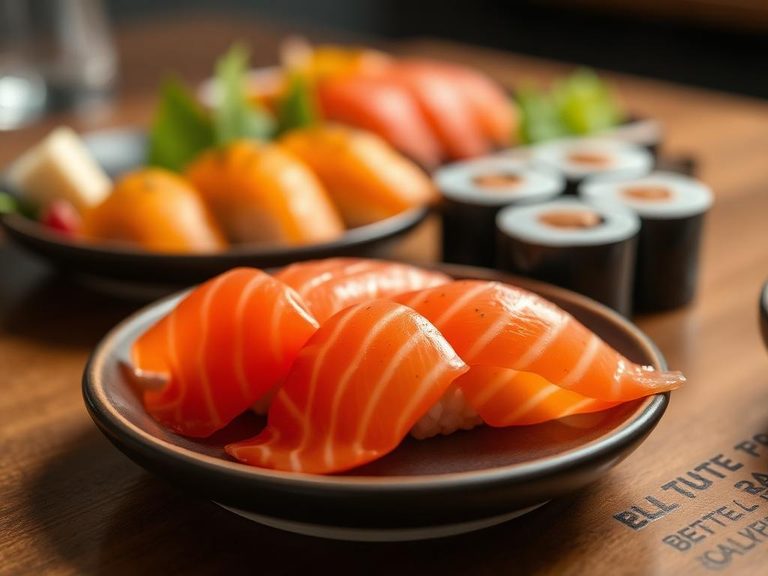
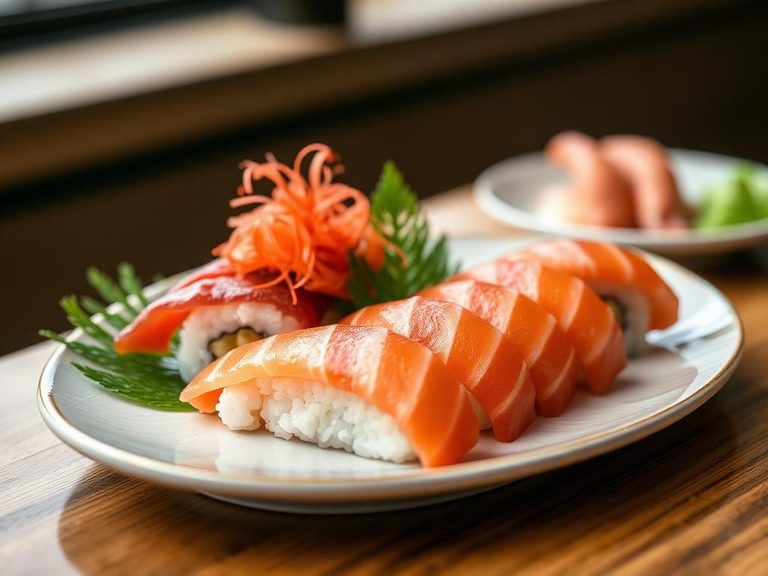
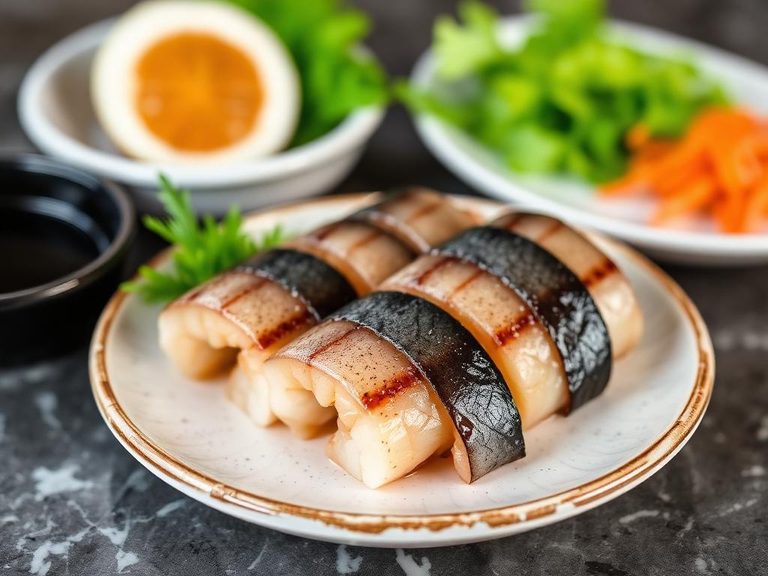
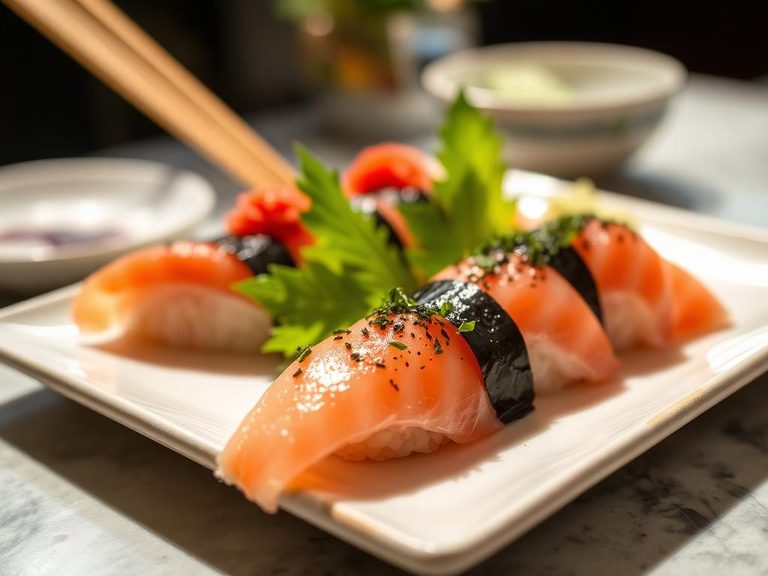
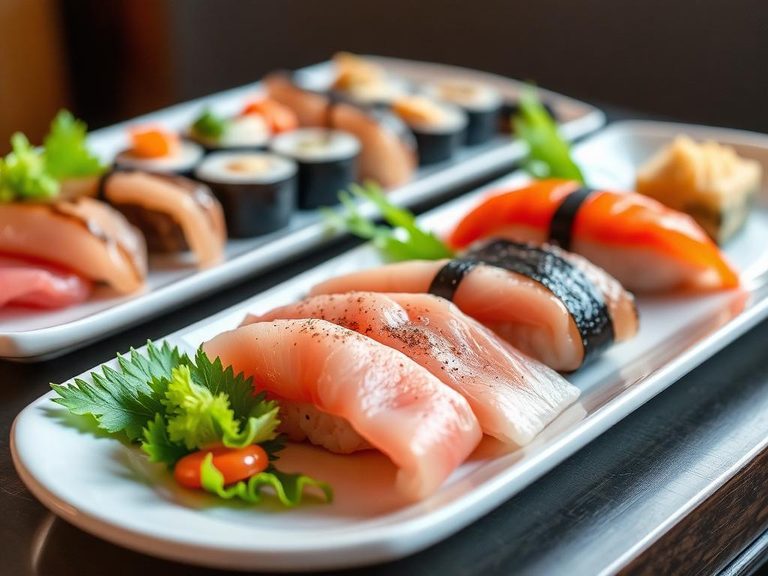
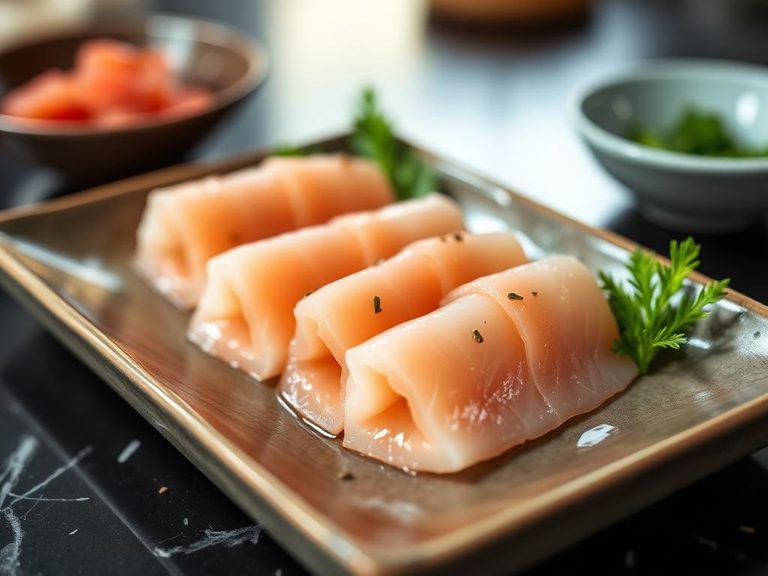
Sushi and sashimi are iconic Japanese dishes centered around expertly prepared raw fish and seafood. Sushi typically features vinegared rice combined with various ingredients like fish, vegetables, and seaweed, while sashimi consists of thinly sliced raw fish or meat served without rice. Both are hallmarks of Japanese cuisine, emphasizing freshness, quality, and presentation.
🍳 View the full Sushi and Sashimi recipe →
🍽️ Nutrition at a glance
These dishes are generally high in protein and healthy fats, particularly omega-3 fatty acids from fish, while being low in carbohydrates (especially sashimi). A typical serving can range from 200-400 calories, depending on the type and portion size, and provides essential nutrients like vitamin D, selenium, and B vitamins.
Nutrition breakdown
| Calories | 450 kcal |
| Protein | 40 g |
| Carbs | 45 g |
| Fat | 12 g |
| Fiber | 2 g |
| Sugar | 5 g |
| Sodium | 900 mg |
| Potassium | 600 mg |
| Phosphorus | 450 mg |
| Selenium | 80 mcg |
| Vitamin B12 | 8 mcg |
| Niacin (B3) | 12 mg |
| Vitamin D | 5 mcg |
| Omega-3 (EPA+DHA) | 1.5 g |
| Zinc | 4 mg |
Per 1 platter (300 g) · estimated, varies by recipe
💡 What's interesting
Culturally, sushi and sashimi represent the Japanese principle of 'shun'—eating ingredients at their peak seasonal freshness. Nutritionally, the high omega-3 content is associated with heart and brain health, making these dishes both a culinary art and a functional food choice.
🍽️ Related dishes
AI estimate may be inaccurate · Terms