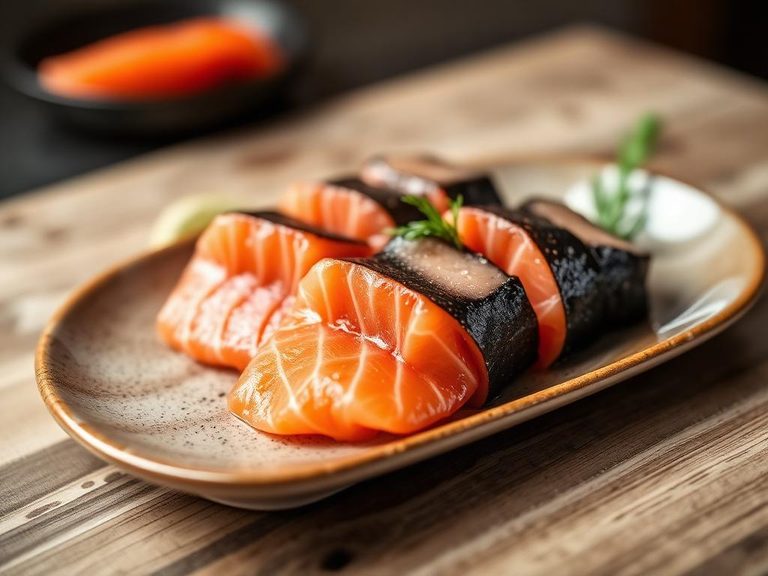
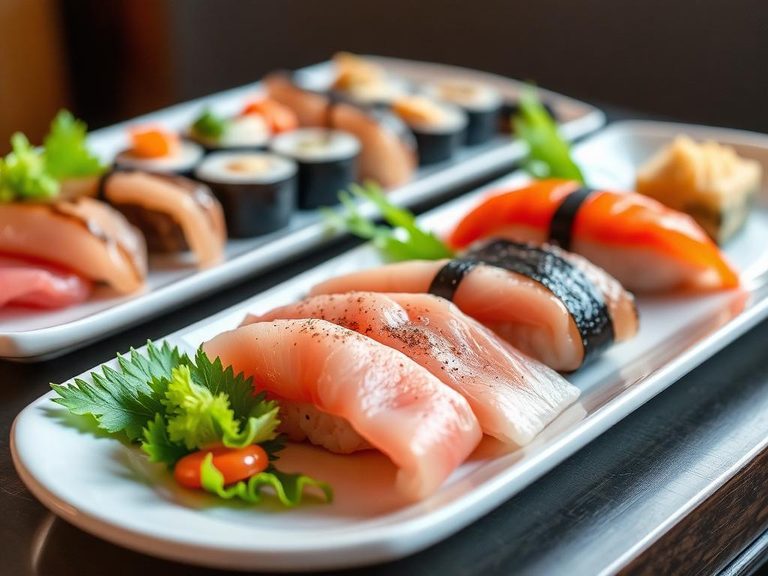
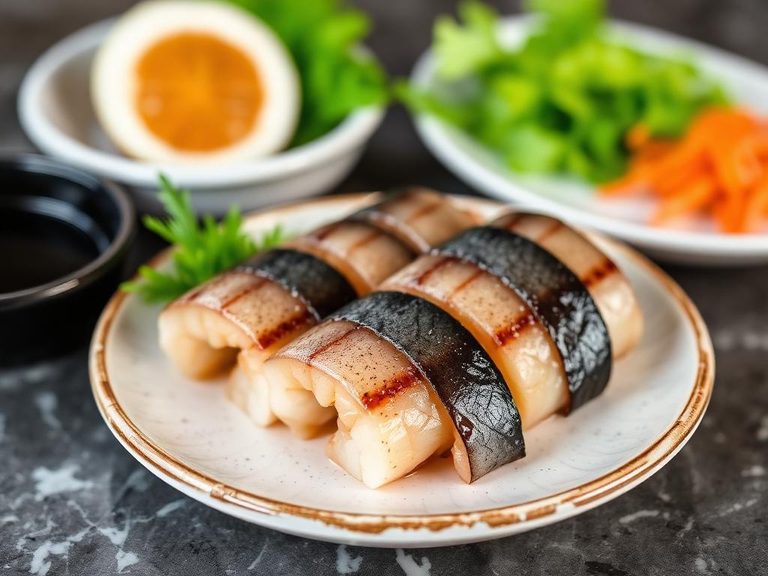
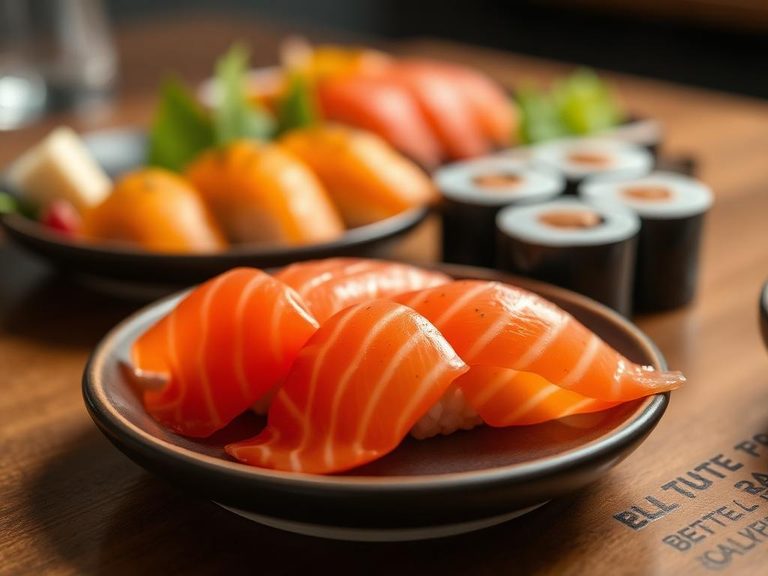
Butterfish sashimi or sushi
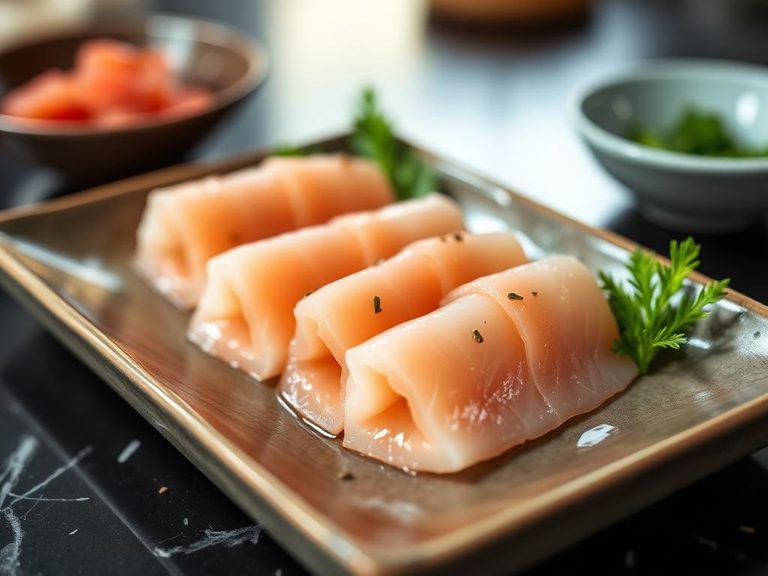
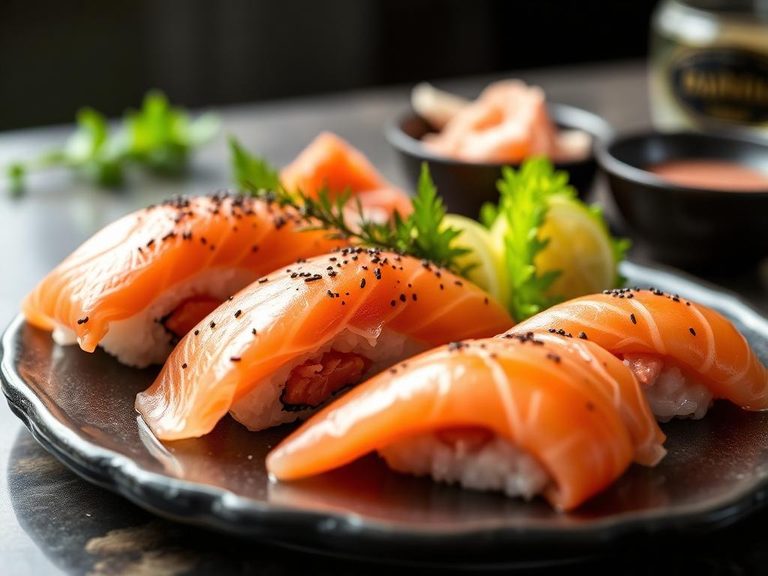
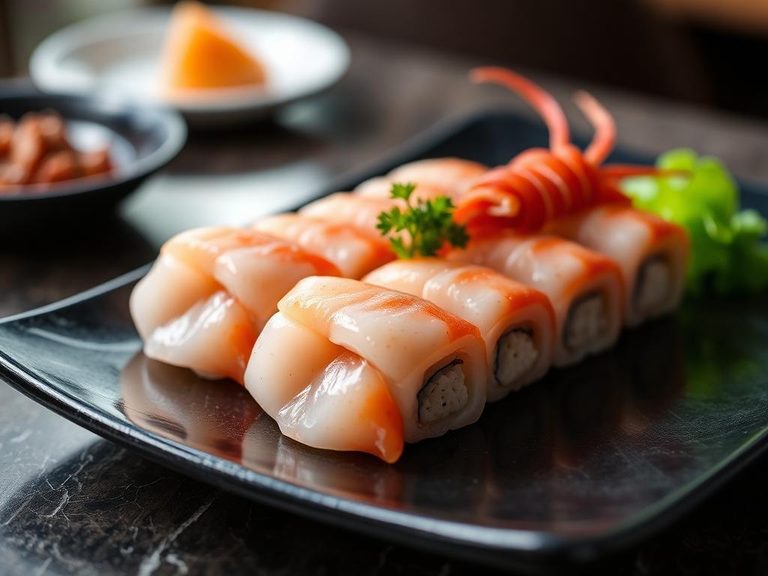
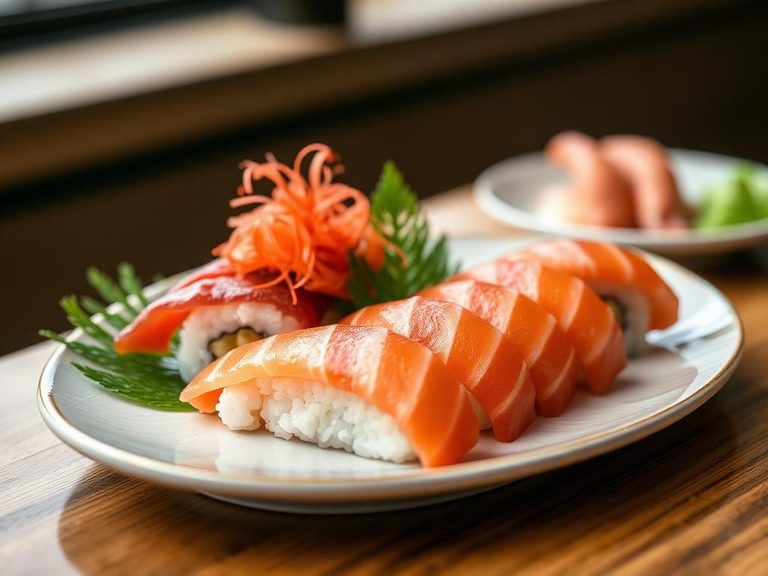
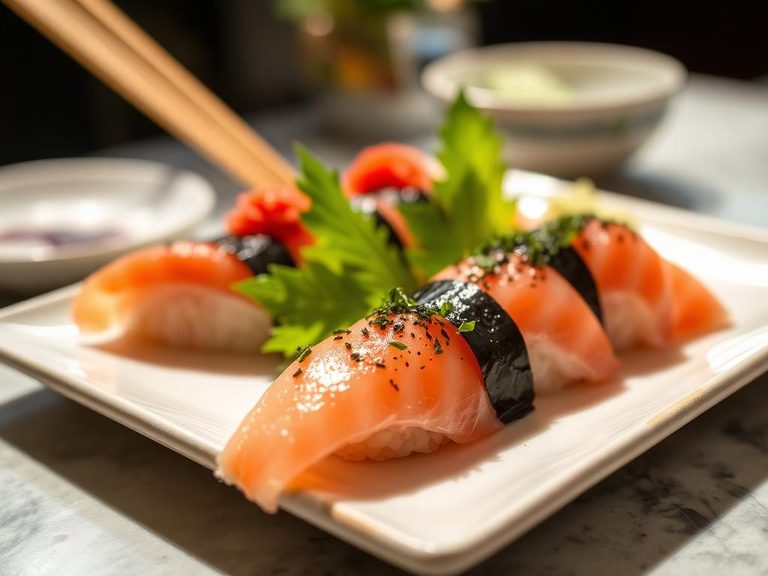
Butterfish sashimi or sushi features the delicate, buttery flesh of butterfish (also known as escolar or oilfish), a deep-water species prized for its smooth, melt-in-your-mouth texture. The dish is typically served raw as sashimi or atop seasoned rice as sushi, often accompanied by soy sauce, wasabi, and pickled ginger. It is a specialty in Japanese cuisine and high-end seafood restaurants worldwide.
🍽️ Nutrition at a glance
Butterfish is very high in fat (particularly healthy omega-3 fatty acids) and protein, with virtually no carbohydrates. A typical serving provides a rich source of vitamin D, selenium, and B12, with a calorie count around 200-250 kcal per 100g due to its high fat content.
Nutrition breakdown
| Calories | 230 kcal |
| Protein | 13 g |
| Carbs | 0 g |
| Fat | 20 g |
| Fiber | 0 g |
| Sugar | 0 g |
| Sodium | 50 mg |
| Vitamin D | 5.2 mcg |
| Vitamin B12 | 2.5 mcg |
| Selenium | 36.5 mcg |
| Phosphorus | 200 mg |
| Niacin (B3) | 4.5 mg |
| Potassium | 280 mg |
| Magnesium | 30 mg |
| Omega-3 (EPA+DHA) | 1.2 g |
Per 100 g (about 3.5 oz) · estimated, varies by recipe
💡 What's interesting
Butterfish is nutritionally unique for its exceptionally high content of omega-3 fatty acids, which support heart and brain health. Culturally, it's sometimes controversial in certain regions due to its high wax ester content, which can cause digestive issues (known as keriorrhea) if consumed in large quantities, leading to import restrictions in some countries.