Sashimi and Sushi
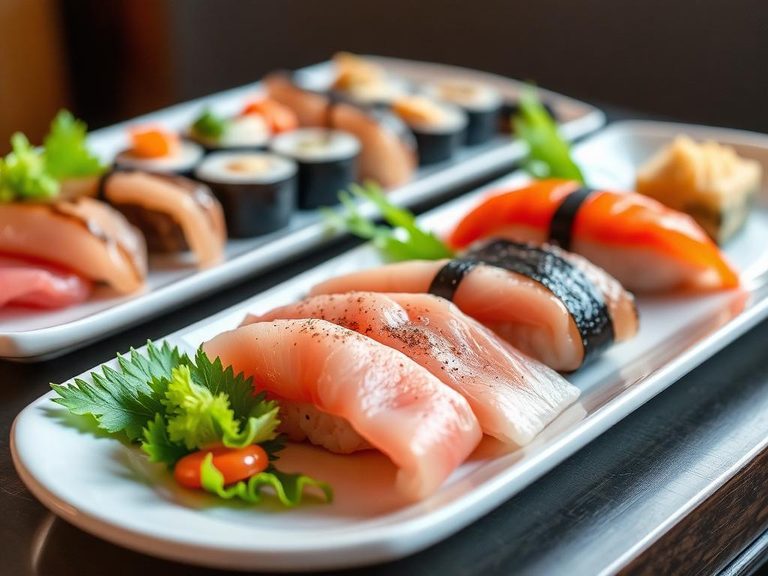
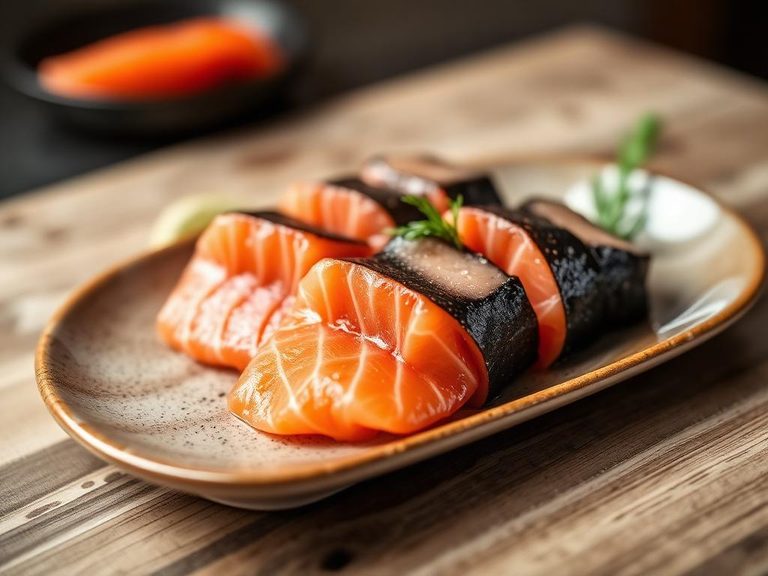
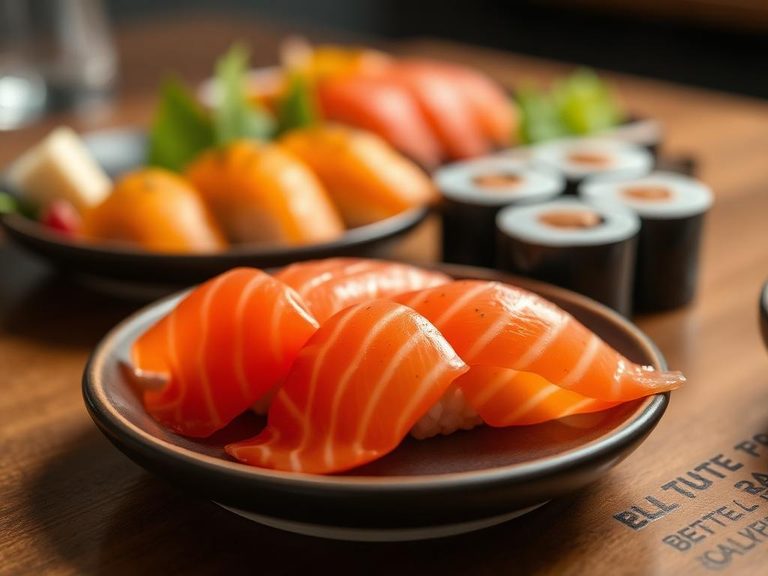
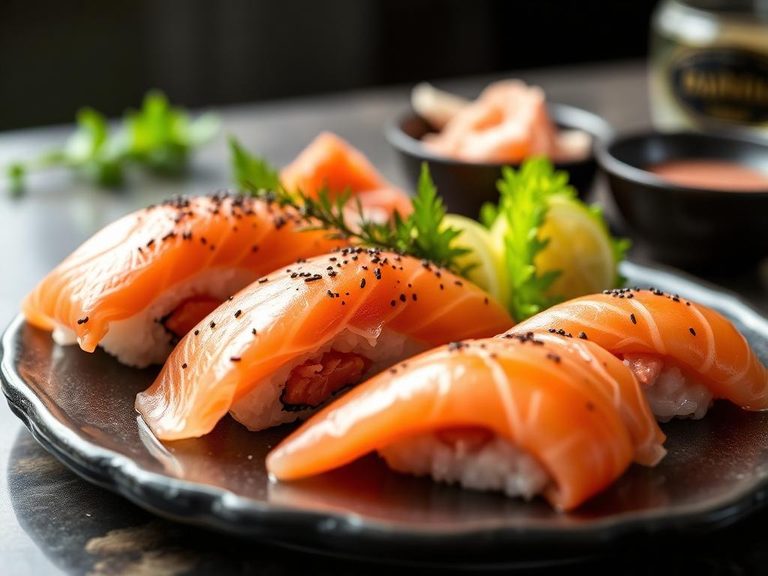
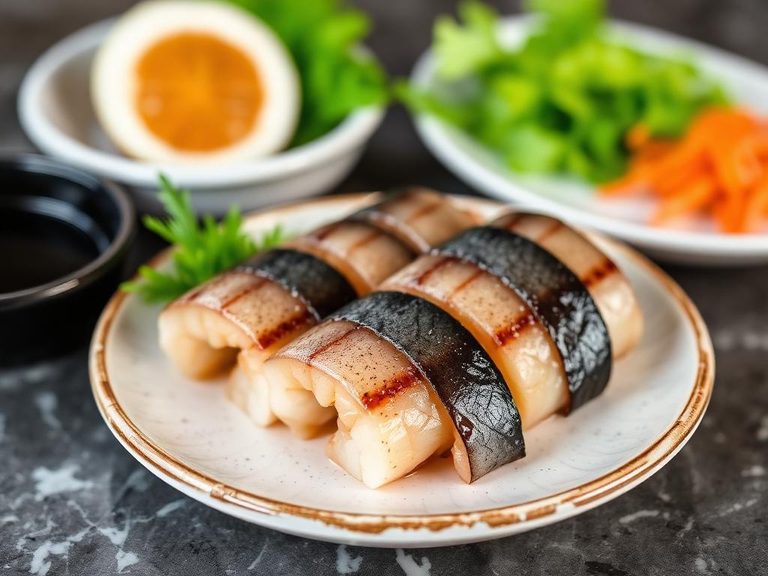
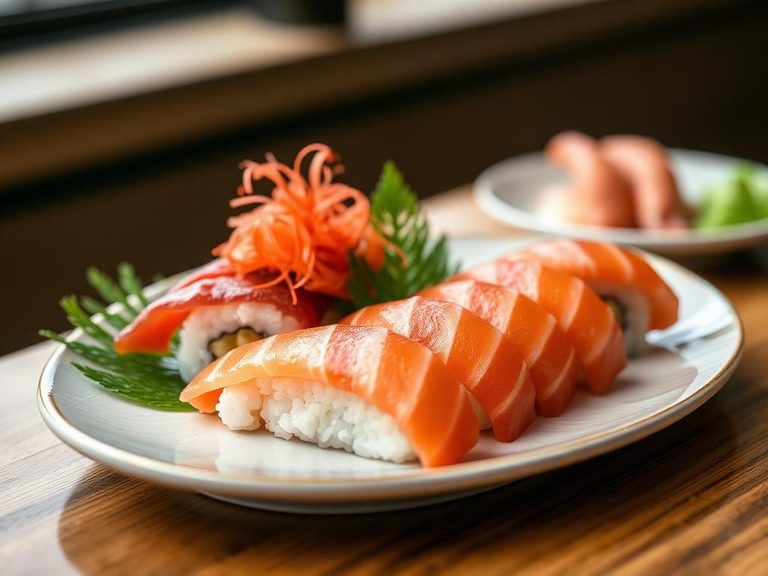
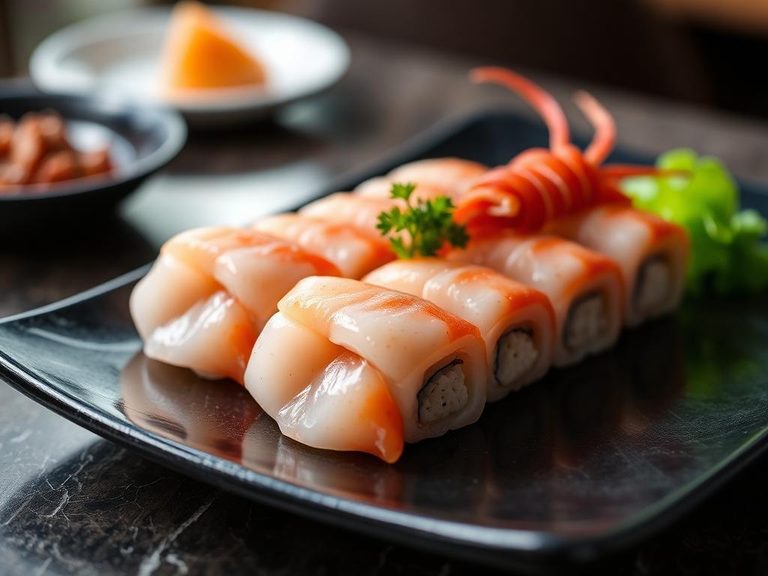
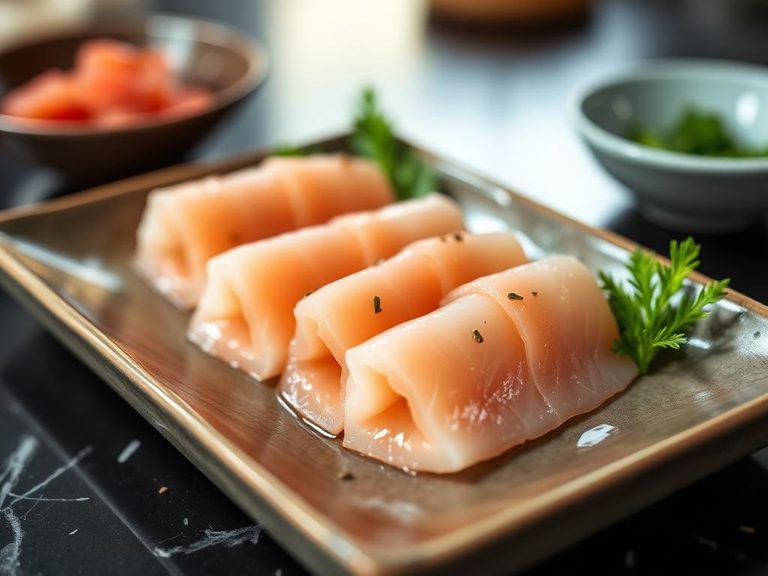
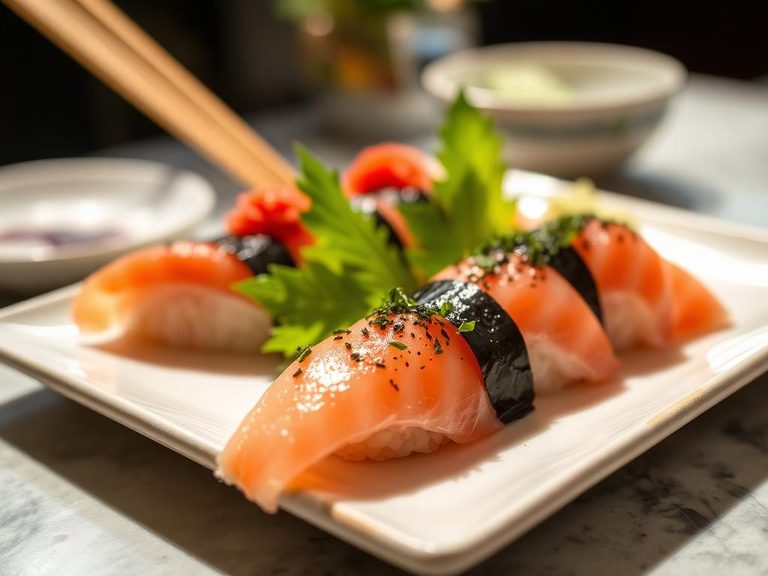
Sashimi and sushi are iconic Japanese dishes where sashimi features thinly sliced raw fish or seafood served alone, while sushi combines vinegared rice with various toppings or fillings. Typical ingredients include fresh tuna, salmon, shrimp, and squid, often accompanied by soy sauce, wasabi, and pickled ginger. Originating in Japan, these dishes are celebrated globally for their simplicity and emphasis on high-quality, fresh ingredients.
🍽️ Nutrition at a glance
Sashimi is low in carbohydrates and high in protein, providing essential nutrients like omega-3 fatty acids, vitamin D, and selenium, with a calorie range of 150-250 per serving. Sushi adds carbs from the rice, making it a balanced option with moderate protein and fat, typically ranging from 200-400 calories per serving depending on the type and portion size.
Nutrition breakdown
| Calories | 350 kcal |
| Protein | 35 g |
| Carbs | 30 g |
| Fat | 8 g |
| Fiber | 1 g |
| Sugar | 2 g |
| Sodium | 900 mg |
| Vitamin D | 2.5 mcg |
| Vitamin B12 | 8.4 mcg |
| Niacin (B3) | 12 mg |
| Selenium | 52 mcg |
| Phosphorus | 400 mg |
| Omega-3 (EPA+DHA) | 1.2 g |
| Sodium | 900 mg |
| Zinc | 3.5 mg |
Per 1 platter (300 g) · estimated, varies by recipe
💡 What's interesting
Culturally, sashimi and sushi reflect the Japanese philosophy of 'washoku,' which emphasizes harmony, balance, and respect for natural flavors, often served in minimalist settings. Nutritionally, the raw fish in sashimi retains more heat-sensitive nutrients like omega-3s compared to cooked alternatives, supporting heart and brain health.