

Pantry staple
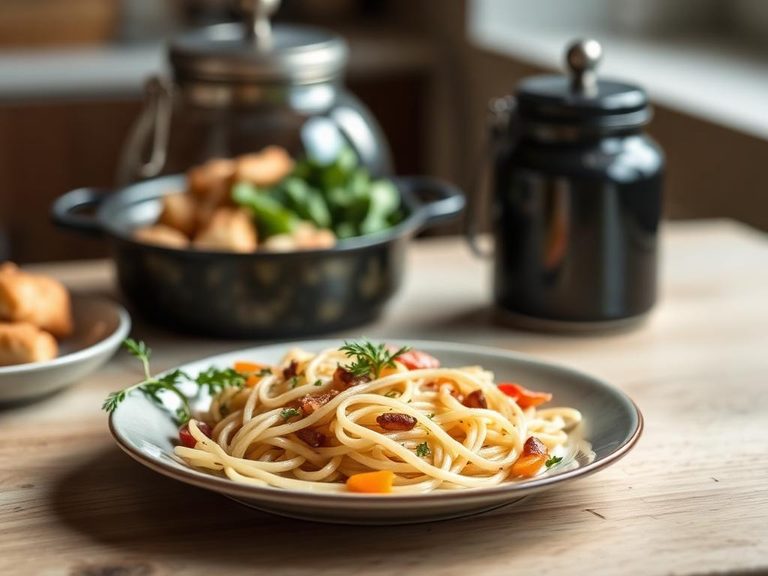
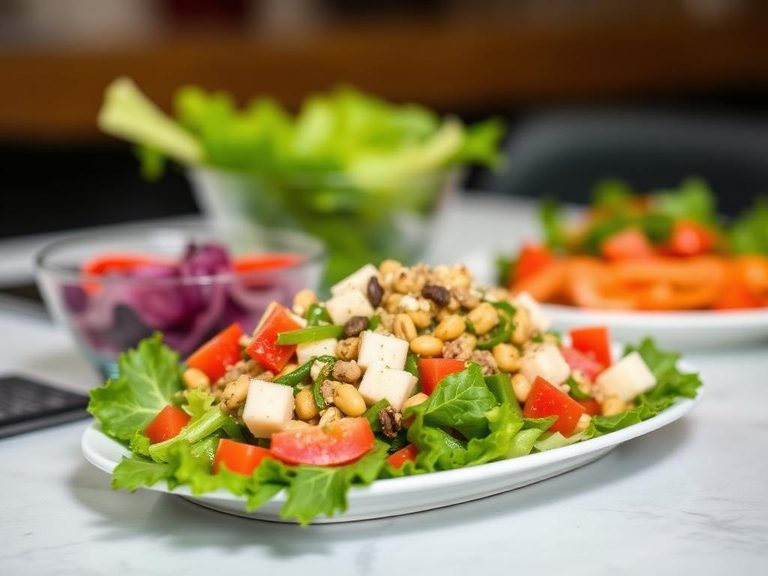
A 'Pantry Staple' isn't a single dish, but a category of shelf-stable, versatile ingredients like canned beans, tuna, pasta, or rice that form the backbone of countless home-cooked meals. These items are chosen for their long shelf life, affordability, and ability to be quickly combined into a nutritious meal when fresh ingredients are scarce. They are the unsung heroes of kitchens worldwide, especially during times of budget constraints or limited shopping access.
🍽️ Nutrition at a glance
As a category, pantry staples vary widely, but many are excellent sources of complex carbohydrates and plant-based protein, providing sustained energy. They are often rich in fiber, iron, and B vitamins, with a typical serving of a mixed dish (like a bean and grain bowl) ranging from 300 to 500 calories.
Nutrition breakdown
| Calories | 420 kcal |
| Protein | 15 g |
| Carbs | 55 g |
| Fat | 14 g |
| Fiber | 12 g |
| Sugar | 4 g |
| Sodium | 350 mg |
| Iron | 4.5 mg |
| Folate | 220 mcg |
| Potassium | 650 mg |
| Magnesium | 95 mg |
| Phosphorus | 280 mg |
| Zinc | 2.5 mg |
| Thiamin (B1) | 0.4 mg |
| Niacin (B3) | 3.5 mg |
Per 1 mixed bowl of pantry staples (e.g., 1/2 cup cooked lentils, 1/2 cup cooked rice, 1 tbsp olive oil) (250 g) · estimated, varies by recipe
💡 What's interesting
The concept is culturally universal, forming the core of survival cuisines, from American depression-era cooking to traditional Italian 'cucina povera' (peasant cooking). Nutritionally, they often provide a complete protein when combined, such as rice and beans, making them a cornerstone of affordable, plant-based nutrition globally.
🍽️ Related dishes
AI estimate may be inaccurate · Terms