Lunchbox staple
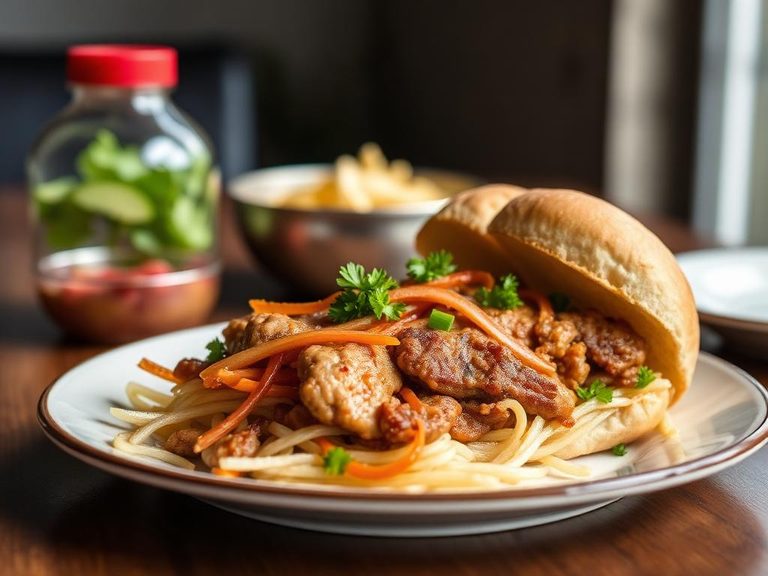
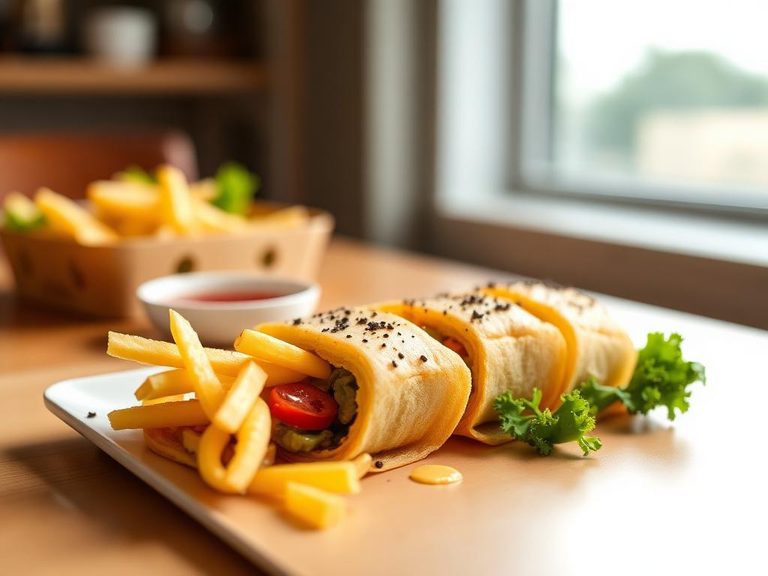
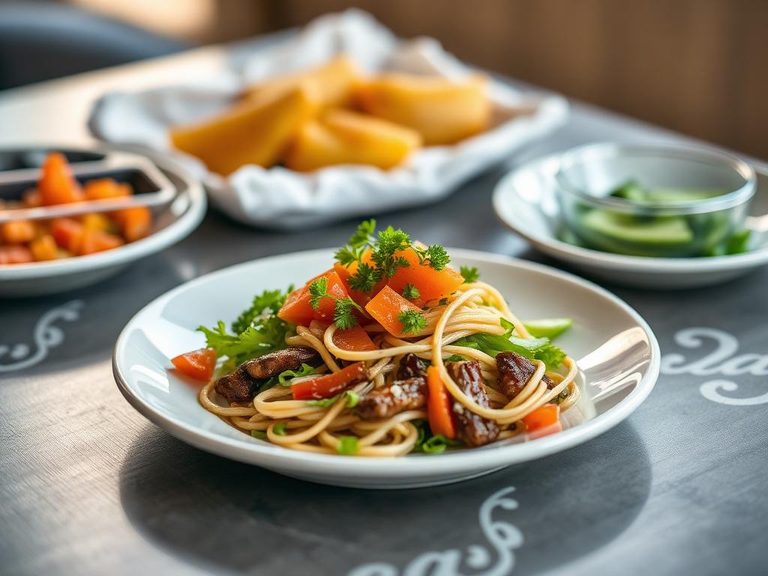
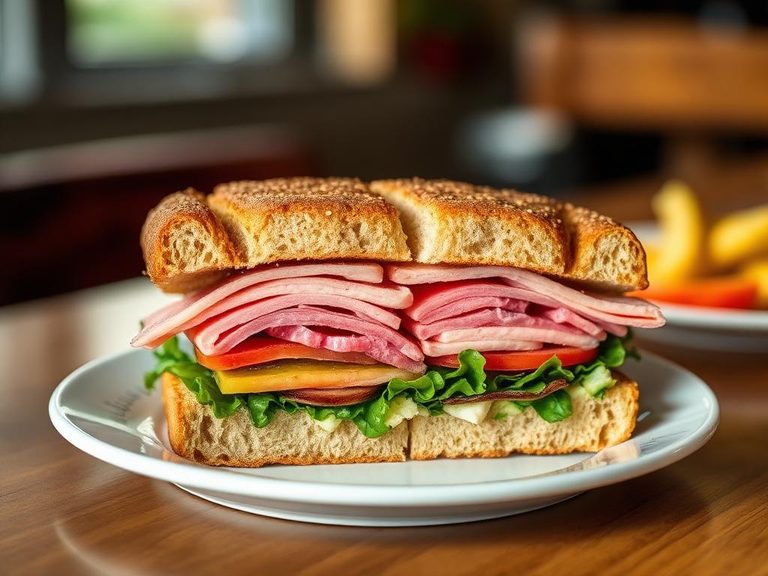
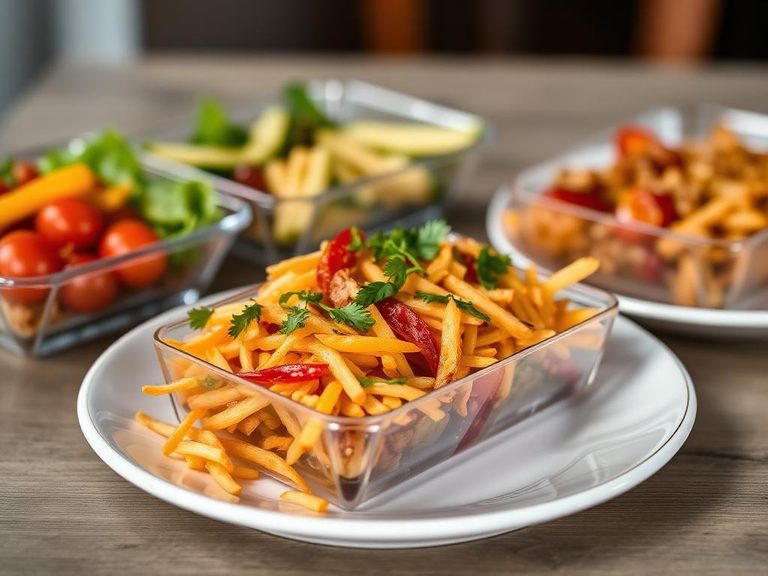
A lunchbox staple is a category of portable, balanced meals designed to be packed and eaten later, often featuring a combination of grains, proteins, and vegetables. Common examples include Japanese bento boxes, Korean dosirak, or Western-style sandwiches and wraps, with ingredients varying widely by region. These meals are typically assembled at home for work or school, emphasizing convenience, variety, and visual appeal.
🍽️ Nutrition at a glance
Lunchbox staples are generally balanced, offering a mix of carbohydrates from grains, protein from meats or legumes, and fats from cooking oils or dressings. They provide essential nutrients like fiber, vitamins, and minerals, with a typical serving ranging from 400 to 700 calories depending on ingredients and portion sizes.
Nutrition breakdown
| Calories | 200 kcal |
| Protein | 7 g |
| Carbs | 30 g |
| Fat | 6 g |
| Fiber | 4 g |
| Sugar | 3 g |
| Sodium | 450 mg |
| Iron | 2.5 mg |
| Calcium | 150 mg |
| Potassium | 350 mg |
| Magnesium | 60 mg |
| Phosphorus | 180 mg |
| Zinc | 1.5 mg |
| Vitamin B6 | 0.3 mg |
| Folate | 120 mcg |
Per 1 cup (240 g) · estimated, varies by recipe
💡 What's interesting
Culturally, lunchbox staples reflect local culinary traditions and seasonal ingredients, often incorporating symbolic meanings or festive elements in some Asian cultures. Nutritionally, they promote mindful eating by allowing control over ingredients, reducing reliance on processed foods, and encouraging diverse nutrient intake through varied components.