

Lunchbox addition
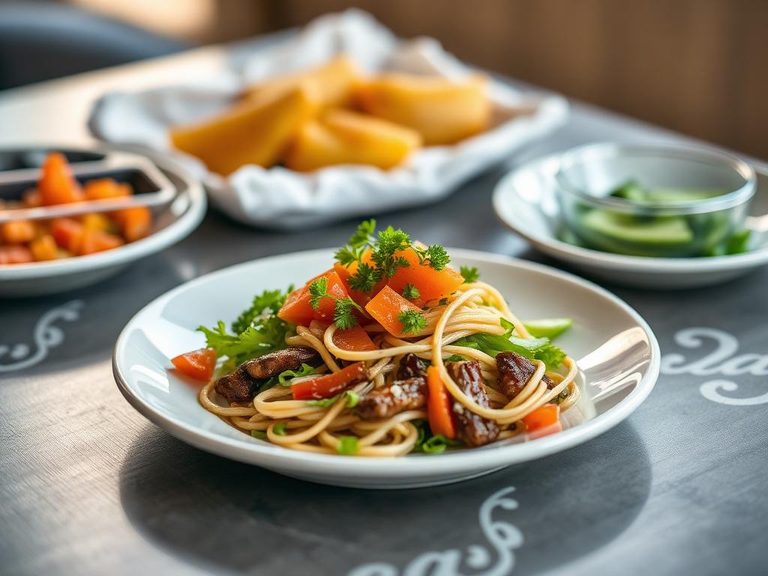
Lunchbox addition is a versatile term for small, portable snacks or side dishes designed to complement a main meal in a packed lunch, often found in various global cuisines. Common examples include Japanese onigiri, Indian parathas, or Western-style energy bites, typically featuring ingredients like rice, vegetables, nuts, or whole grains. These additions are crafted to be easy to eat, non-messy, and nutritionally balanced.
🍳 View the full Lunchbox addition recipe →
🍽️ Nutrition at a glance
Lunchbox additions are generally moderate in calories, ranging from 100-300 per serving, and can be tailored to be high in protein, fiber, or healthy fats depending on the ingredients used. They often provide essential nutrients like vitamins, minerals, and sustained energy, making them a smart choice for midday nourishment.
Nutrition breakdown
| Calories | 350 kcal |
| Protein | 12 g |
| Carbs | 45 g |
| Fat | 14 g |
| Fiber | 6 g |
| Sugar | 8 g |
| Sodium | 600 mg |
| Potassium | 400 mg |
| Iron | 3 mg |
| Calcium | 100 mg |
| Vitamin A | 150 mcg |
| Vitamin C | 15 mg |
| Vitamin B6 | 0.4 mg |
| Magnesium | 50 mg |
| Zinc | 2 mg |
Per 1 cup (240 g) · estimated, varies by recipe
💡 What's interesting
Culturally, lunchbox additions reflect regional food traditions and the importance of balanced meals in daily life, such as the Japanese bento culture or Indian tiffin systems. Nutritionally, they encourage portion control and variety, helping to prevent overeating while ensuring a mix of macronutrients.
🍽️ Related dishes






AI estimate may be inaccurate · Terms