

Beans, Dry, Black (0% moisture)
Whole food · Legumes and Legume Products
Dried black beans are small, jet-black legumes with a dense, meaty texture and a deep, earthy, slightly sweet flavor. When cooked, they soften into a creamy interior while holding their shape, making them a staple in hearty dishes. Nutritionally, they are a powerhouse of plant-based protein and fiber, with virtually no fat or sugar in their dry state.
Calorie split: 88% protein · 0% carbs · 12% fat
↓ Full nutrition💚 Why it's loved
People love black beans for their rich, earthy flavor that acts as a blank canvas for spices, and their satisfying, creamy texture in soups, stews, and salads. They are a cornerstone of comfort food in many cultures, symbolizing sustenance and versatility.
⚠️ Watch-outs & how to enjoy it better
The primary downside is the presence of oligosacaccharides, which can cause gas and bloating in some individuals. To counteract this, soak dried beans for at least 8 hours (or overnight) and discard the soaking water before cooking. Thorough cooking also helps break down these compounds.
Key benefits
- Excellent source of plant-based protein (24.4g per 100g dry)
- High in dietary fiber (4.2g per 100g dry) for digestive health
- Naturally low in fat and contains no sugar
- Rich in minerals like iron, magnesium, and folate
- Provides sustained energy due to low glycemic impact
🍽️ Popular dishes
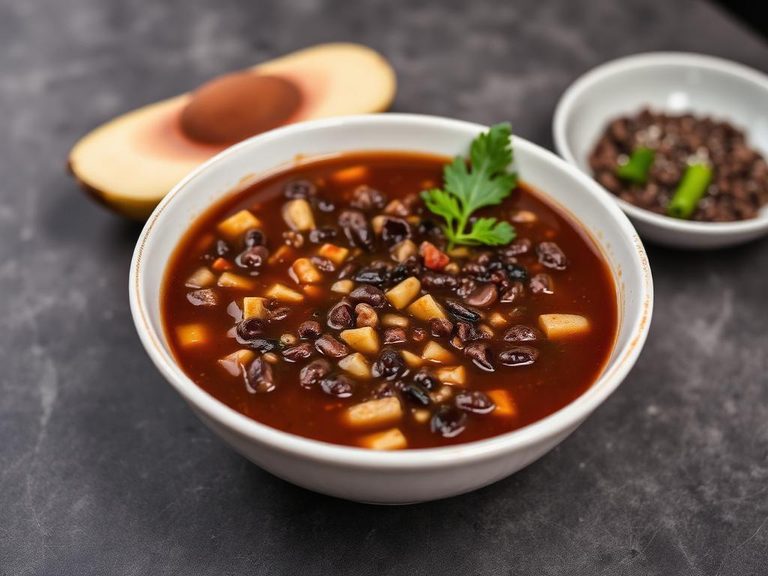
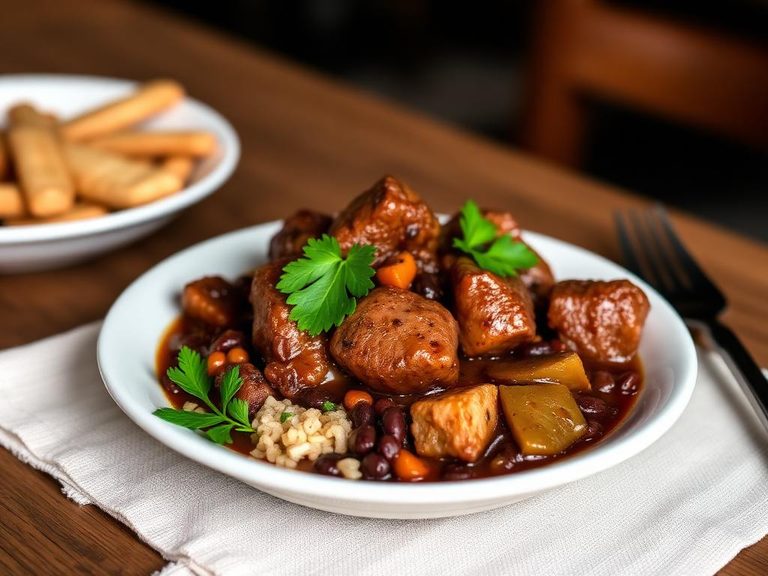
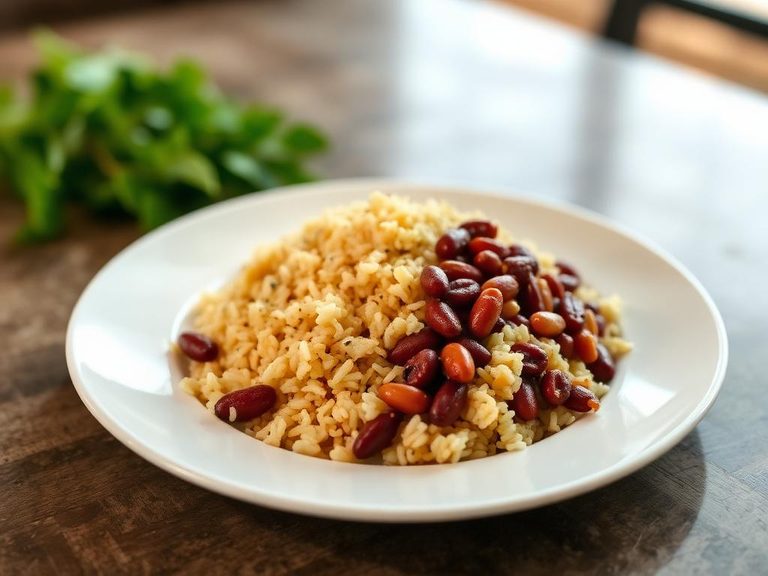
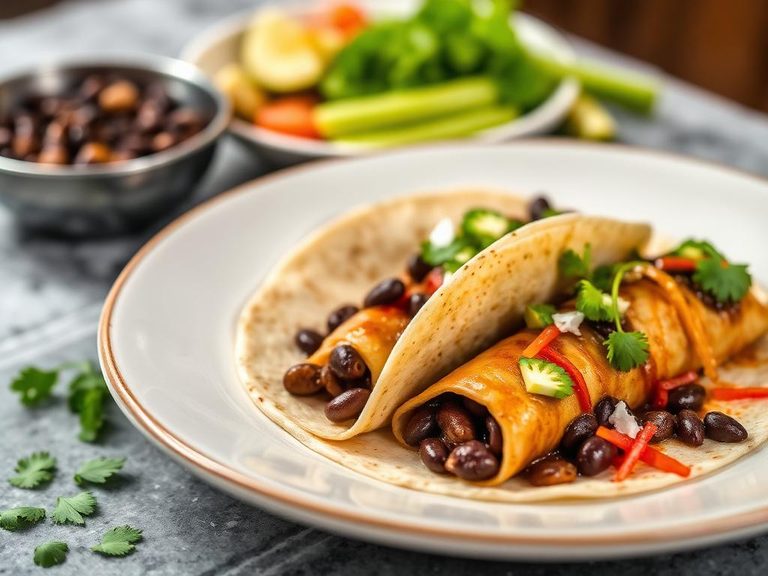
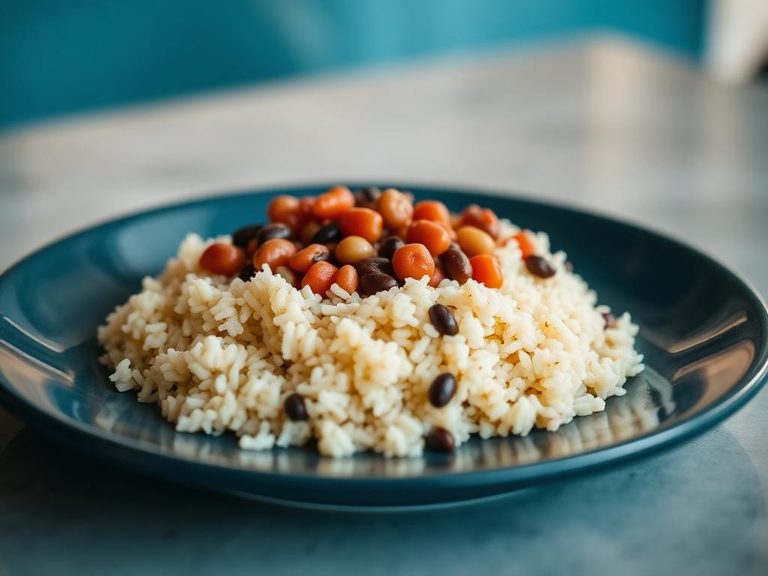
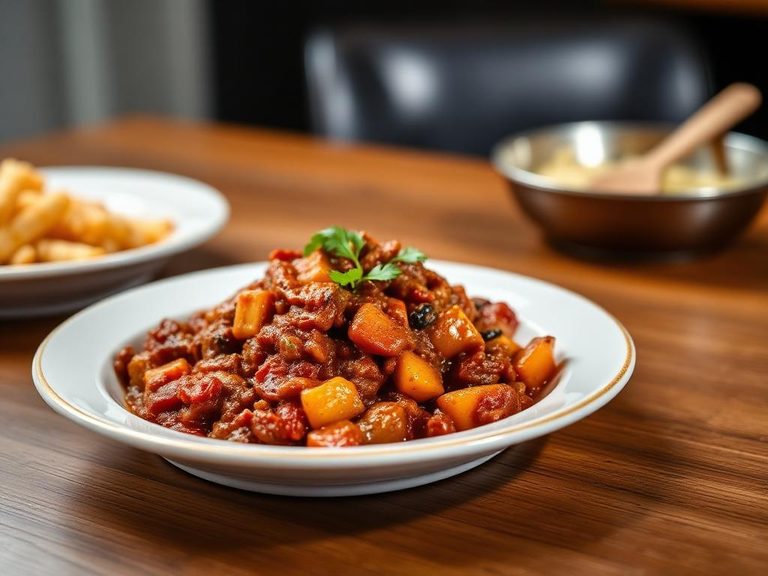
🌍 Where it's eaten
💡 Did you know?
The black pigment in black beans is due to anthocyanins, the same powerful antioxidants found in blueberries and red cabbage.
Full nutrition (USDA data · scales with serving)
| Water | 0.00 g |
| Protein | 24.4 g |
| Total lipid (fat) | 1.4 g |
| Fiber, total dietary | 4.2 g |
| Starch | 36.6 g |
| Calcium, Ca | 191 mg |
| Iron, Fe | 5.3 mg |
| Magnesium, Mg | 180 mg |
| Phosphorus, P | 522 mg |
| Potassium, K | 1540 mg |
| Zinc, Zn | 3.4 mg |
| Copper, Cu | 1.1 mg |
| Manganese, Mn | 2.1 mg |
| Sulfur, S | 244 mg |
| Nickel, Ni | 193 ug |
| Molybdenum, Mo | 920 ug |
| Cobalt, Co | 43.8 ug |
| Boron, B | 1250 ug |
Fat & fatty acid profile (per 100g)
Estimated from Lima beans, thin seeded (baby), mature seeds, cooked, boiled, without salt — USDA does not publish this profile for Beans.
| Fatty acids, total saturated | 0.09 g |
| SFA 12:0 | 0.00 g |
| SFA 14:0 | 0.00 g |
| SFA 16:0 | 0.07 g |
| SFA 18:0 | 0.02 g |
| Fatty acids, total monounsaturated | 0.03 g |
| MUFA 16:1 | 0.00 g |
| MUFA 18:1 | 0.03 g |
| MUFA 20:1 | 0.00 g |
| MUFA 22:1 | 0.00 g |
| Fatty acids, total polyunsaturated | 0.17 g |
| PUFA 18:2 | 0.12 g |
| PUFA 18:3 | 0.05 g |
| Fatty acids, total trans | 0.00 g |
| Cholesterol | 0.00 mg |
Amino acid profile (per 100g)
Estimated from Lima beans, thin seeded (baby), mature seeds, cooked, boiled, without salt — USDA does not publish this profile for Beans.
| Tryptophan | 0.10 g |
| Threonine | 0.35 g |
| Isoleucine | 0.42 g |
| Leucine | 0.69 g |
| Lysine | 0.54 g |
| Methionine | 0.10 g |
| Cystine | 0.09 g |
| Phenylalanine | 0.46 g |
| Tyrosine | 0.28 g |
| Valine | 0.48 g |
| Arginine | 0.49 g |
| Histidine | 0.25 g |
| Alanine | 0.41 g |
| Aspartic acid | 1.0 g |
| Glutamic acid | 1.1 g |
| Glycine | 0.34 g |
| Proline | 0.37 g |
| Serine | 0.54 g |
FAQ
Do I need to soak dried black beans before cooking?
Soaking is highly recommended. It reduces cooking time significantly and helps break down the oligosaccharides that can cause digestive discomfort. An overnight soak (8-12 hours) is ideal. For a quick soak, boil beans for 2 minutes, then let them sit covered for an hour before draining and cooking.
Why do my black beans sometimes have a tough skin or take forever to cook?
This is often due to age or hard water. Older beans have lost moisture and take longer to rehydrate. Using fresh beans, adding a pinch of baking soda to the soaking water (which softens the skins), or using distilled water can help ensure a creamy, tender result.
Are canned black beans as nutritious as dried?
Canned black beans are very convenient and retain most of their protein, fiber, and minerals. However, they are often higher in sodium. Look for 'low sodium' or 'no salt added' versions, or rinse them thoroughly under water to remove up to 40% of the added sodium.
Dietary load (calculated from USDA values)
Potential renal acid load. Positive = acid-forming, negative = alkaline-forming.
Sodium:potassium per WHO potassium guidance. Computed from USDA nutrients.