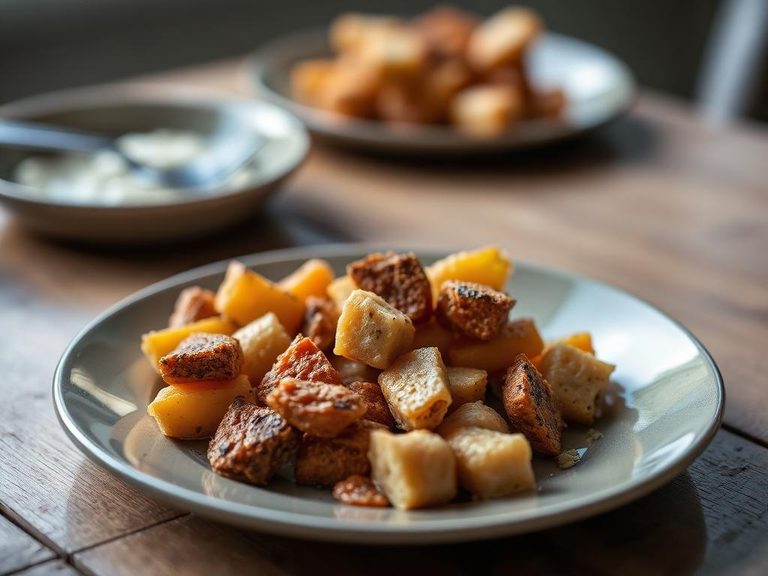
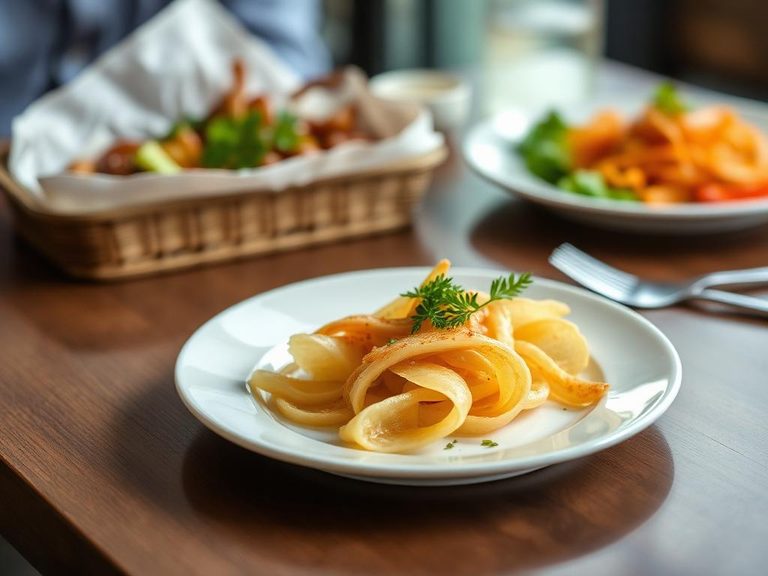
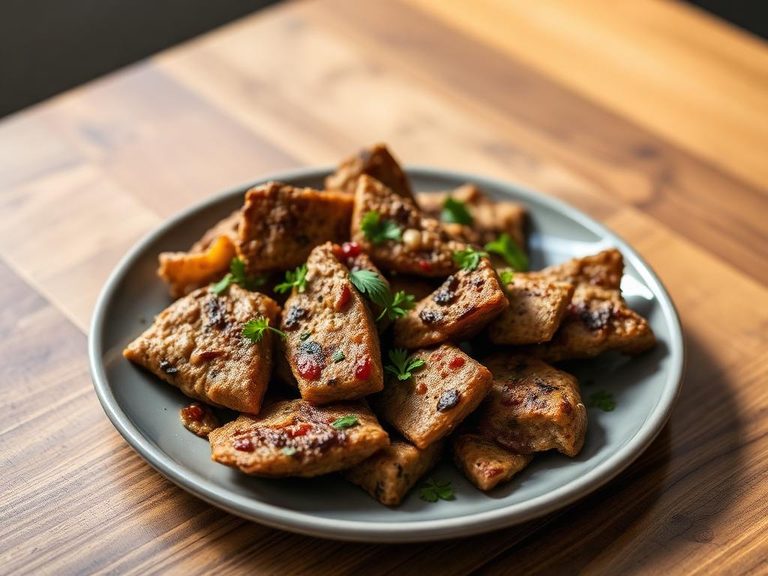
Eaten raw as a traditional snack
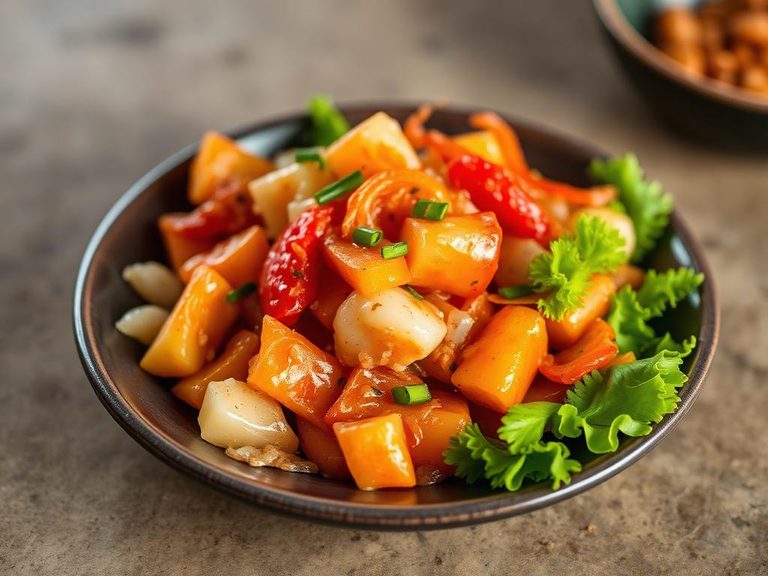
This refers to a wide variety of fresh fruits, vegetables, herbs, and roots that are eaten raw as a traditional snack in many cultures around the world. Common examples include crunchy carrots, sweet apples, crisp jicama, or spicy green mango, often seasoned with salt, chili, or lime. It's a simple, natural snack enjoyed from street stalls to home kitchens globally.
🍽️ Nutrition at a glance
These snacks are generally low in fat and protein but can vary in carbohydrate content, from low-carb vegetables to higher-sugar fruits. They are excellent sources of dietary fiber, vitamins (like Vitamin C and A), and minerals (like potassium), with a calorie count that typically ranges from 30 to 150 kcal per serving depending on the specific item.
Nutrition breakdown
| Calories | 95 kcal |
| Protein | 0.5 g |
| Carbs | 25.1 g |
| Fat | 0.3 g |
| Fiber | 4.4 g |
| Sugar | 18.9 g |
| Sodium | 2 mg |
| Vitamin C | 8.4 mg |
| Potassium | 195 mg |
| Vitamin K | 4 µg |
| Vitamin B6 | 0.1 mg |
| Manganese | 0.06 mg |
| Copper | 0.05 mg |
Per 1 medium apple (182 g) · estimated, varies by recipe
💡 What's interesting
Eating raw produce as a snack is a cornerstone of many culinary traditions, emphasizing freshness, texture, and natural flavors. Nutritionally, it's a fantastic way to boost your intake of micronutrients and fiber without added sugars or fats found in processed snacks.