

Edamame, cooked
Common food

Photo: Wikipedia
Edamame are young, green soybeans harvested before they harden, typically served steamed or boiled in their fuzzy pods. They offer a satisfying pop, revealing a creamy, slightly sweet, and nutty bean inside. Nutritionally, they are a standout plant-based protein source, packing over 11 grams per 100 grams with a balanced profile of healthy fats and fiber.
Calorie split: 31% protein · 23% carbs · 46% fat
↓ Full nutrition💚 Why it's loved
People adore edamame for its fun, interactive eating experience—popping the beans from the pod is part of the charm. Its savory, umami-rich flavor and satisfying texture make it a versatile snack, appetizer, or ingredient in salads, grain bowls, and stir-fries.
⚠️ Watch-outs & how to enjoy it better
As a soy product, it is a common allergen and may be avoided by those with soy sensitivities. Some individuals may experience digestive discomfort like bloating due to its fiber and oligosaccharide content. To counteract this, start with smaller portions, chew thoroughly, and consider soaking dried edamame before cooking.
Key benefits
- Excellent source of complete plant-based protein
- High in fiber for digestive health
- Rich in folate, vitamin K, and manganese
- Contains all essential amino acids
- Naturally low in sugar
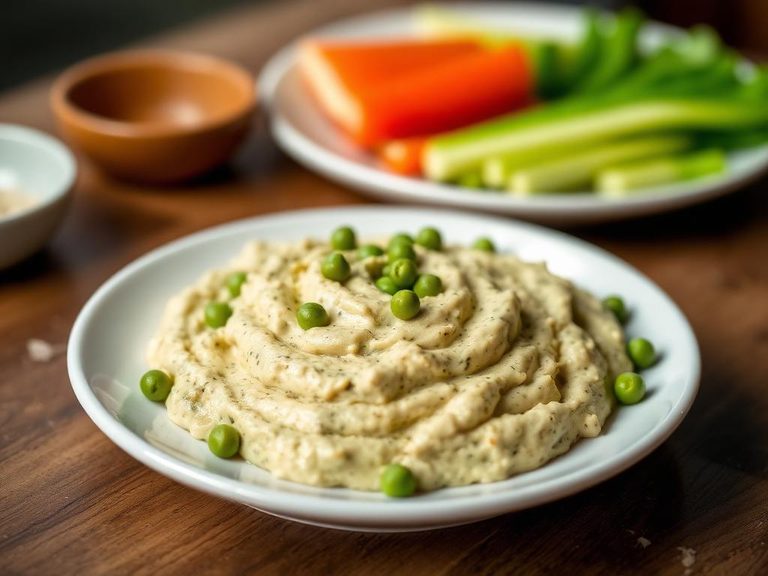
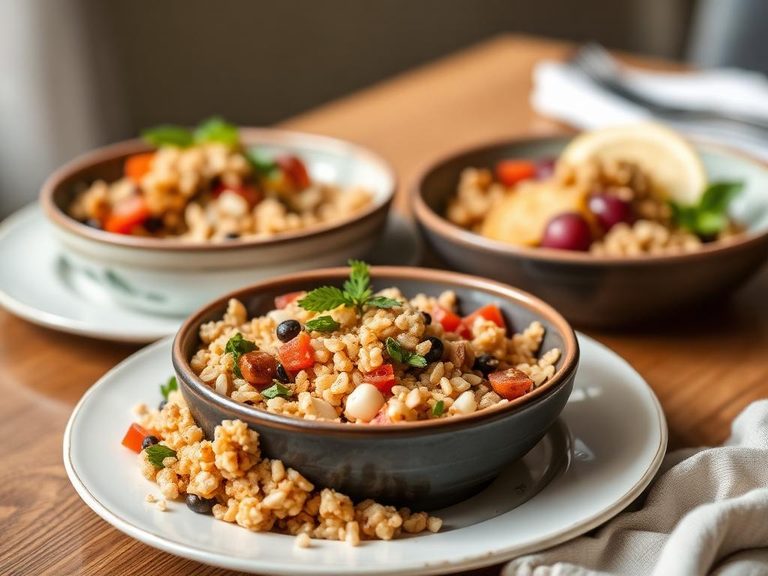
🍽️ Popular dishes
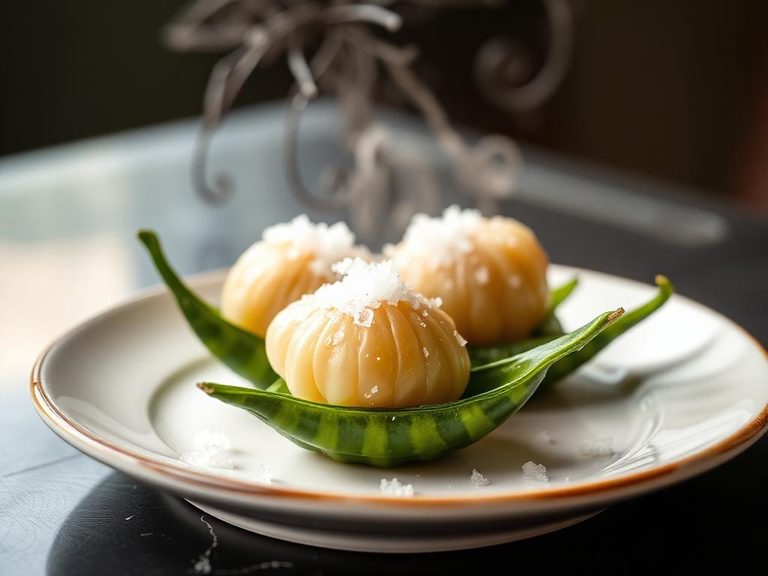
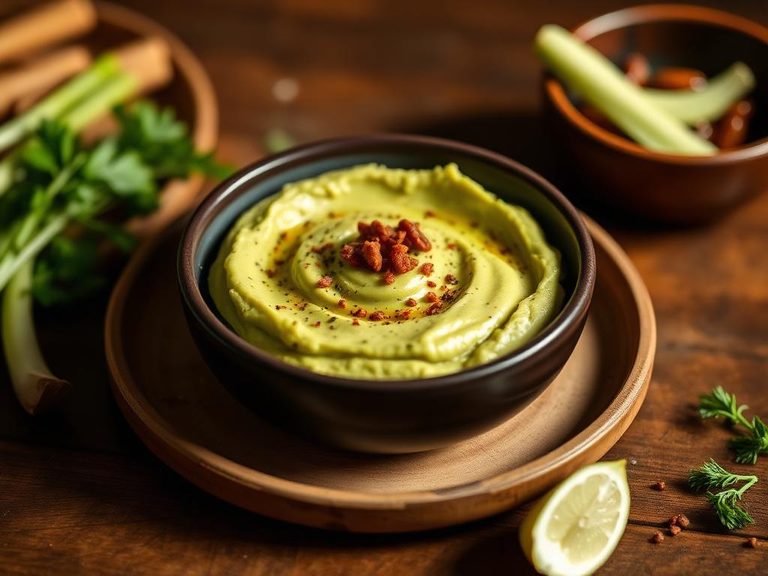
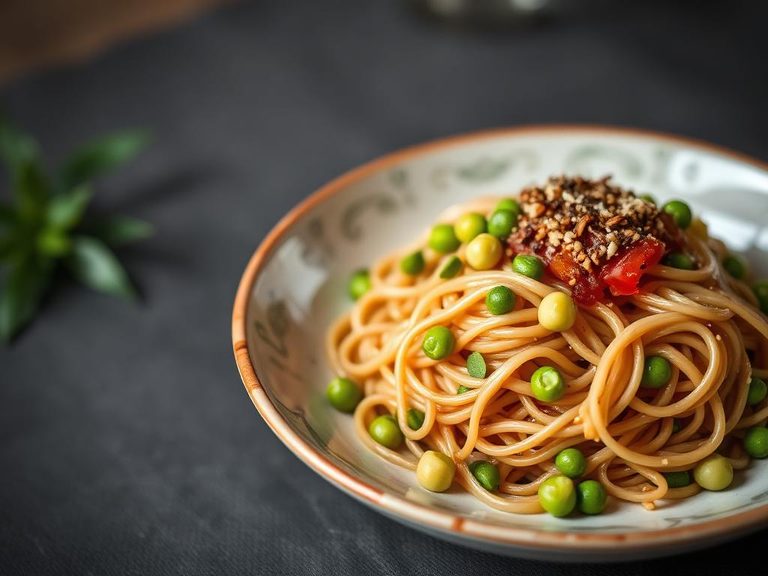
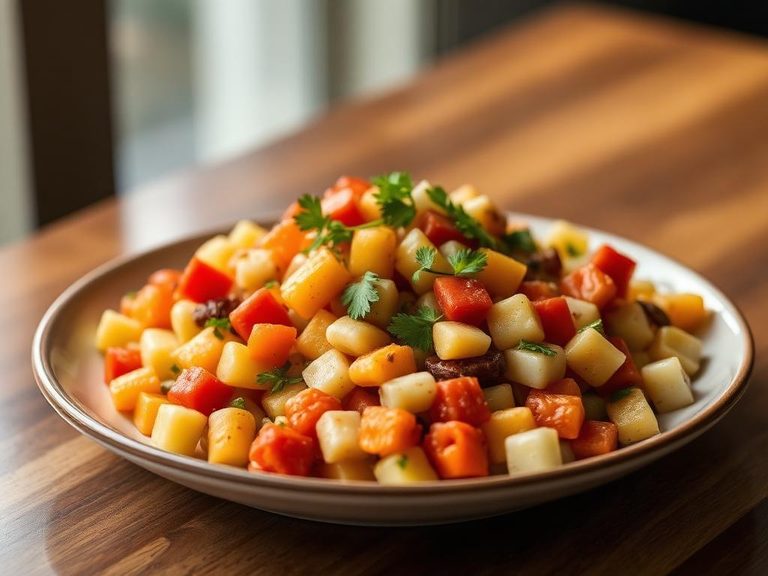
🌍 Where it's eaten
💡 Did you know?
The word 'edamame' is Japanese, literally meaning '枝豆' or 'branch bean,' referring to how the pods grow on the plant's branches.
Full nutrition (USDA data · scales with serving)
| Water | 70.8 g |
| Energy | 140 kcal |
| Protein | 11.5 g |
| Total lipid (fat) | 7.6 g |
| Carbohydrate, by difference | 8.6 g |
| Fiber, total dietary | 5.0 g |
| Total Sugars | 2.1 g |
| Calcium, Ca | 61.0 mg |
| Iron, Fe | 2.2 mg |
| Magnesium, Mg | 62.0 mg |
| Phosphorus, P | 164 mg |
| Potassium, K | 422 mg |
| Sodium, Na | 127 mg |
| Zinc, Zn | 1.3 mg |
| Copper, Cu | 0.33 mg |
| Selenium, Se | 0.80 ug |
| Vitamin C, total ascorbic acid | 5.3 mg |
| Thiamin | 0.18 mg |
| Riboflavin | 0.15 mg |
| Niacin | 0.89 mg |
| Vitamin B-6 | 0.11 mg |
| Folate, total | 286 ug |
| Folic acid | 0.00 ug |
| Folate, food | 286 ug |
| Folate, DFE | 286 ug |
| Choline, total | 54.7 mg |
| Vitamin B-12 | 0.00 ug |
| Vitamin B-12, added | 0.00 ug |
| Vitamin A, RAE | 26.0 ug |
| Retinol | 11.0 ug |
| Carotene, beta | 174 ug |
| Carotene, alpha | 0.00 ug |
| Cryptoxanthin, beta | 8.0 ug |
| Lycopene | 0.00 ug |
| Lutein + zeaxanthin | 1567 ug |
| Vitamin E (alpha-tocopherol) | 1.0 mg |
| Vitamin E, added | 0.00 mg |
| Vitamin D (D2 + D3) | 0.00 ug |
| Vitamin K (phylloquinone) | 27.9 ug |
| Alcohol, ethyl | 0.00 g |
| Caffeine | 0.00 mg |
| Theobromine | 0.00 mg |
Fat & fatty acid profile (per 100g)
| Fatty acids, total saturated | 1.3 g |
| SFA 4:0 | 0.02 g |
| SFA 6:0 | 0.01 g |
| SFA 8:0 | 0.01 g |
| SFA 10:0 | 0.02 g |
| SFA 12:0 | 0.02 g |
| SFA 14:0 | 0.07 g |
| SFA 16:0 | 0.79 g |
| SFA 18:0 | 0.28 g |
| Fatty acids, total monounsaturated | 2.1 g |
| MUFA 16:1 | 0.02 g |
| MUFA 18:1 | 2.1 g |
| MUFA 20:1 | 0.02 g |
| MUFA 22:1 | 0.00 g |
| Fatty acids, total polyunsaturated | 2.8 g |
| PUFA 18:2 | 2.4 g |
| PUFA 18:3 | 0.43 g |
| PUFA 18:4 | 0.00 g |
| PUFA 20:4 | 0.00 g |
| PUFA 20:5 n-3 (EPA) | 0.00 g |
| PUFA 22:5 n-3 (DPA) | 0.00 g |
| PUFA 22:6 n-3 (DHA) | 0.00 g |
| Cholesterol | 2.0 mg |
Amino acid profile (per 100g)
Estimated from Edamame, frozen, unprepared — USDA does not publish this profile for Edamame.
| Tryptophan | 0.12 g |
| Threonine | 0.31 g |
| Isoleucine | 0.28 g |
| Leucine | 0.70 g |
| Lysine | 0.70 g |
| Methionine | 0.13 g |
| Cystine | 0.12 g |
| Phenylalanine | 0.46 g |
| Tyrosine | 0.32 g |
| Valine | 0.30 g |
| Arginine | 0.68 g |
| Histidine | 0.25 g |
| Alanine | 0.42 g |
| Aspartic acid | 1.3 g |
| Glutamic acid | 1.9 g |
| Glycine | 0.41 g |
| Proline | 0.65 g |
| Serine | 0.63 g |
| Hydroxyproline | 0.00 g |
FAQ
What's the difference between edamame and regular soybeans?
Edamame are soybeans harvested while young and green, before they mature and dry out. This gives them a sweeter taste, softer texture, and higher moisture content compared to the mature, beige soybeans used for tofu, soy milk, and animal feed.
Can I eat edamame pods?
The fuzzy pods are not typically eaten. They are tough and fibrous. The standard way to eat them is to bite or squeeze the pod to pop the tender beans into your mouth, then discard the empty pod.
Is frozen edamame as nutritious as fresh?
Yes, frozen edamame is typically flash-frozen shortly after harvest, which locks in nutrients effectively. It is nutritionally comparable to fresh edamame and is widely available year-round.
Nutrient density (calculated · NRF9.3)
Nutrient Rich Foods index: beneficial nutrients (protein, fiber, vitamins, minerals) minus saturated fat, added sugar & sodium, per 100 kcal.
NRF9.3 index — Fulgoni, Keast & Drewnowski, 2009. Computed from USDA nutrients.
Weight-loss friendliness (composite index)
Energy density 1.40 kcal/g · 33% calories from protein · 5.0 g fiber · 2.1 g sugar per 100 g.
Composite of energy density (Rolls et al., 1999), protein & fiber satiety, minus sugar. A calculated heuristic — ranks satiety-per-calorie, not a clinical measure.
Dietary load (calculated from USDA values)
Potential renal acid load. Positive = acid-forming, negative = alkaline-forming.
Sodium-to-potassium ratio: 0.30 (lower is better — aim for ≤ 1)
Sodium:potassium per WHO potassium guidance. Computed from USDA nutrients.