Edamame, frozen, unprepared
Whole food · Vegetables and Vegetable Products

Photo: Wikipedia
Edamame are young, green soybeans harvested before they harden, offering a satisfying pop from their fuzzy pods. They have a sweet, nutty, and slightly grassy flavor with a firm, creamy texture inside. Nutritionally, they are a standout plant-based protein source, packing over 11 grams per 100 grams with a solid dose of fiber.
💚 Why it's loved
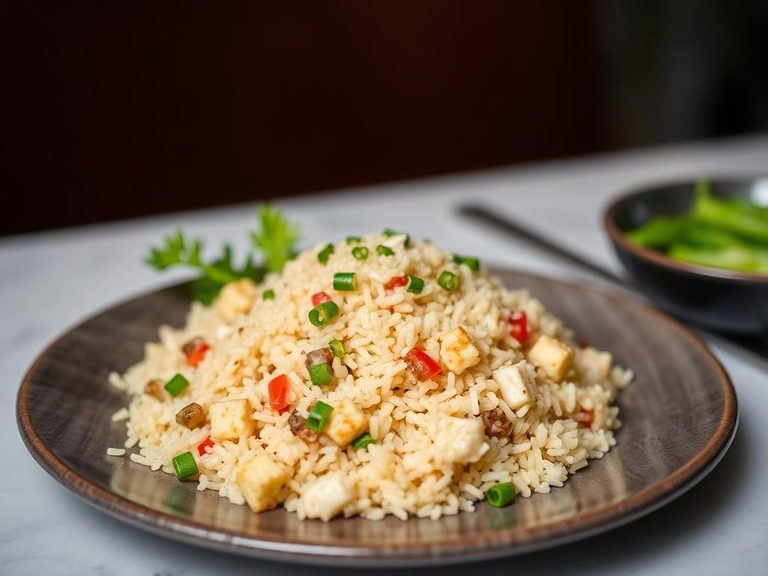
People adore edamame for its fun, interactive eating experience—popping the beans from the pod is part of the snack's charm. Its savory, umami-rich flavor makes it incredibly versatile, working equally well as a simple salted snack or a vibrant addition to salads, bowls, and stir-fries.
⚠️ Watch-outs & how to enjoy it better
As a soy product, edamame is a common allergen and should be avoided by those with soy sensitivities. The fiber and oligosaccharides can cause gas or bloating in some individuals, especially if eaten in large quantities. To mitigate digestive discomfort, start with a smaller portion and ensure you're well-hydrated; pairing with other foods can also help.
Key benefits
- Excellent source of complete plant protein
- High in dietary fiber for digestive health
- Contains all nine essential amino acids
- Rich in antioxidants like isoflavones
- Provides a good amount of folate and vitamin K
🍽️ Popular dishes

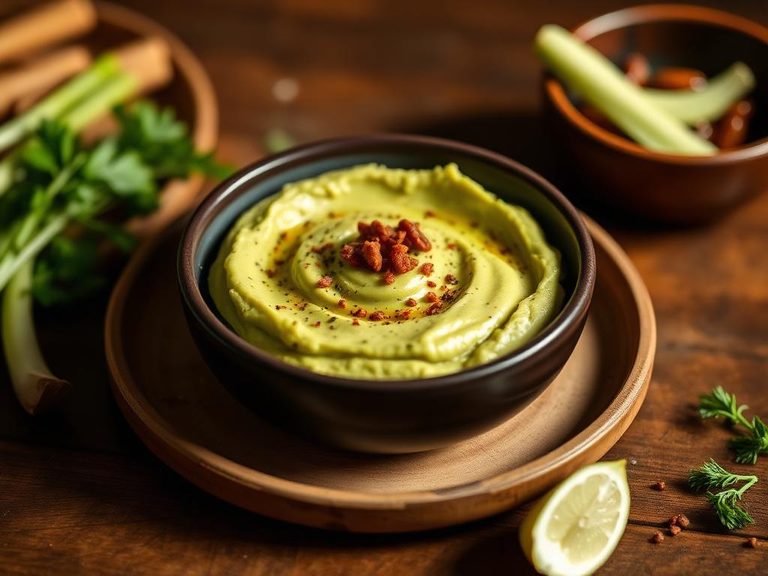
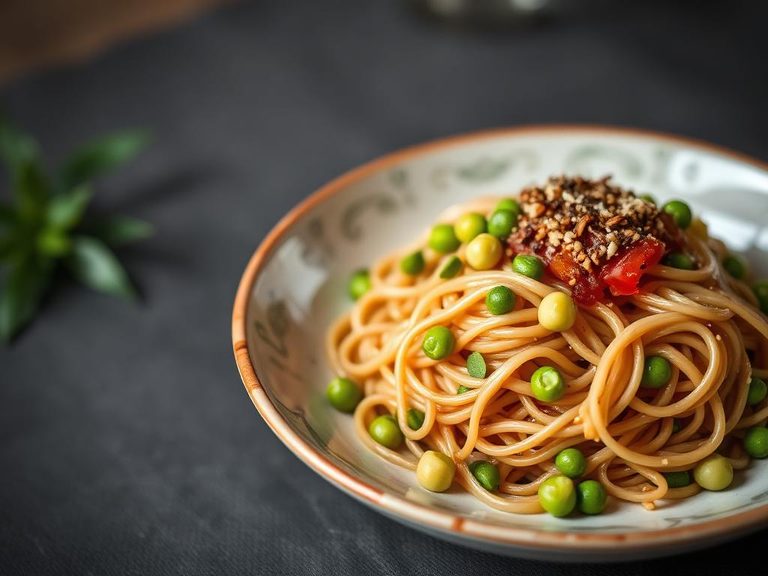
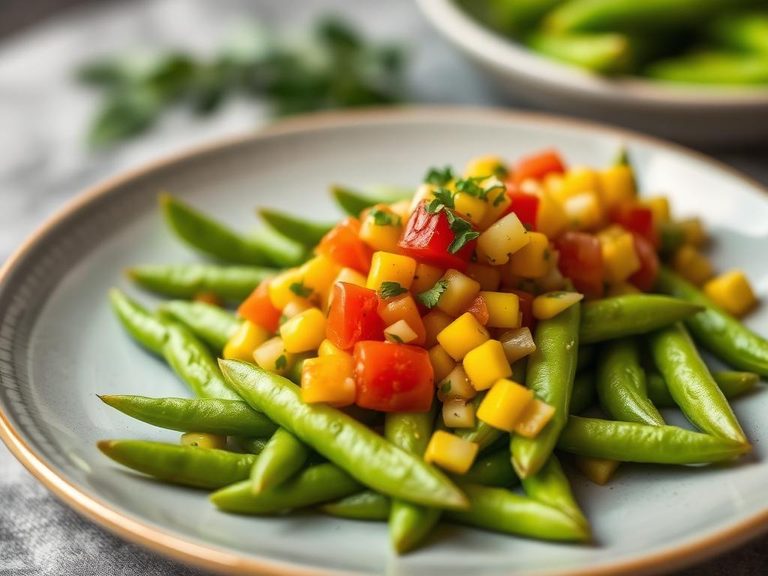
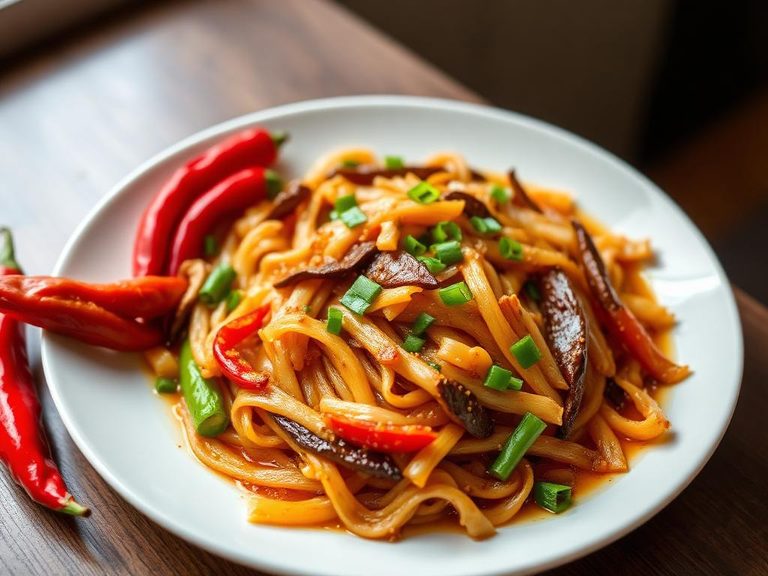
🌍 Where it's eaten
💡 Did you know?
The word 'edamame' is Japanese for '枝豆,' which literally translates to 'branch bean,' referring to the way the pods grow on the plant's branches.
Full nutrition (scales with serving)
| Water | 75.2 g |
| Energy | 109 kcal |
| Energy | 458 kj |
| Protein | 11.2 g |
| Total lipid (fat) | 4.7 g |
| Ash | 1.3 g |
| Carbohydrate, by difference | 7.6 g |
| Fiber, total dietary | 4.8 g |
| Total Sugars | 2.5 g |
| Sucrose | 1.1 g |
| Glucose | 0.00 g |
| Fructose | 0.21 g |
| Lactose | 0.00 g |
| Maltose | 1.1 g |
| Galactose | 0.00 g |
| Starch | 0.33 g |
| Calcium, Ca | 60.0 mg |
| Iron, Fe | 2.1 mg |
| Magnesium, Mg | 61.0 mg |
| Phosphorus, P | 161 mg |
| Potassium, K | 482 mg |
| Sodium, Na | 6.0 mg |
| Zinc, Zn | 1.3 mg |
| Copper, Cu | 0.32 mg |
| Manganese, Mn | 1.0 mg |
| Vitamin C, total ascorbic acid | 9.7 mg |
| Thiamin | 0.15 mg |
| Riboflavin | 0.27 mg |
| Niacin | 0.93 mg |
| Pantothenic acid | 0.54 mg |
| Vitamin B-6 | 0.14 mg |
| Folate, total | 303 ug |
| Folic acid | 0.00 ug |
| Folate, food | 303 ug |
| Folate, DFE | 303 ug |
| Choline, total | 56.0 mg |
| Betaine | 0.70 mg |
| Vitamin E (alpha-tocopherol) | 0.72 mg |
| Tocopherol, beta | 0.06 mg |
| Tocopherol, gamma | 5.5 mg |
| Tocopherol, delta | 3.0 mg |
| Tocotrienol, alpha | 0.00 mg |
| Tocotrienol, beta | 0.00 mg |
| Tocotrienol, gamma | 0.00 mg |
| Tocotrienol, delta | 0.00 mg |
| Vitamin K (phylloquinone) | 31.4 ug |
| Vitamin K (Dihydrophylloquinone) | 0.00 ug |
| Vitamin K (Menaquinone-4) | 0.00 ug |
| Alcohol, ethyl | 0.00 g |
| Caffeine | 0.00 mg |
| Theobromine | 0.00 mg |
Fat & fatty acid profile (per 100g)
| Fatty acids, total trans | 0.00 g |
Amino acid profile (per 100g)
| Tryptophan | 0.12 g |
| Threonine | 0.31 g |
| Isoleucine | 0.28 g |
| Leucine | 0.70 g |
| Lysine | 0.70 g |
| Methionine | 0.13 g |
| Cystine | 0.12 g |
| Phenylalanine | 0.46 g |
| Tyrosine | 0.32 g |
| Valine | 0.30 g |
| Arginine | 0.68 g |
| Histidine | 0.25 g |
| Alanine | 0.42 g |
| Aspartic acid | 1.3 g |
| Glutamic acid | 1.9 g |
| Glycine | 0.41 g |
| Proline | 0.65 g |
| Serine | 0.63 g |
| Hydroxyproline | 0.00 g |
FAQ
Are frozen edamame as nutritious as fresh?
Yes, frozen edamame is typically flash-frozen shortly after harvest, which locks in nutrients very effectively. The nutritional profile is virtually identical to fresh, making it a convenient and high-quality option year-round.
Do I need to cook frozen edamame before eating?
Most frozen edamame is sold pre-blanched and is safe to eat thawed, but it's usually heated for better flavor and texture. You can boil, steam, or microwave it for 3-5 minutes. For a roasted snack, pat it dry and toss with oil and seasonings before baking.
Is the pod edible?
The fuzzy pod is not typically eaten. You are meant to bite the pod to pop the beans into your mouth and discard the pod. The pods are too fibrous and tough for most people to digest pleasantly.