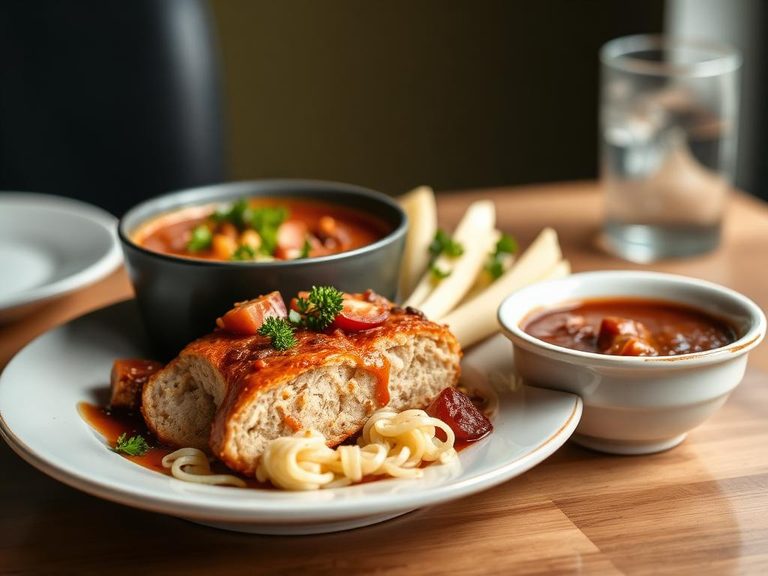
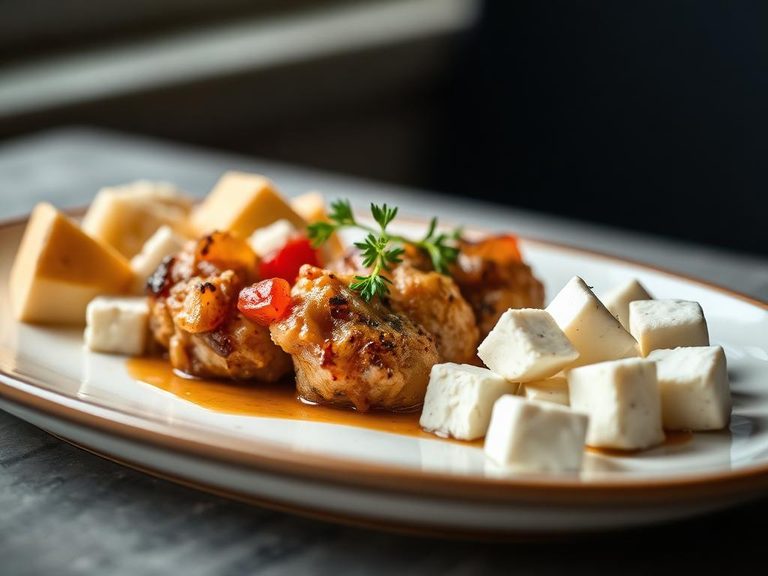
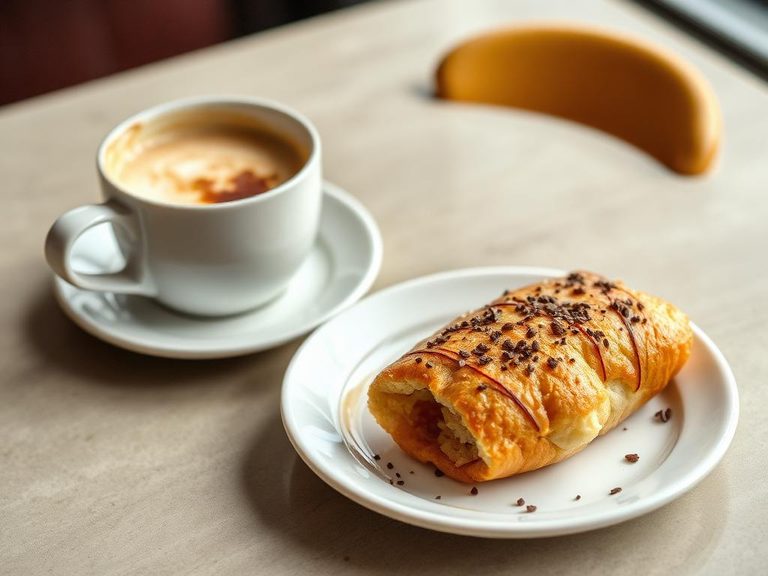
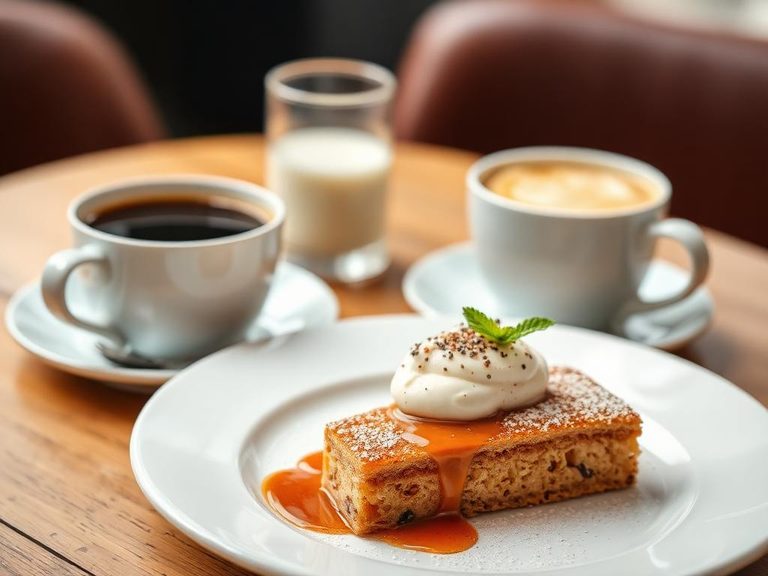
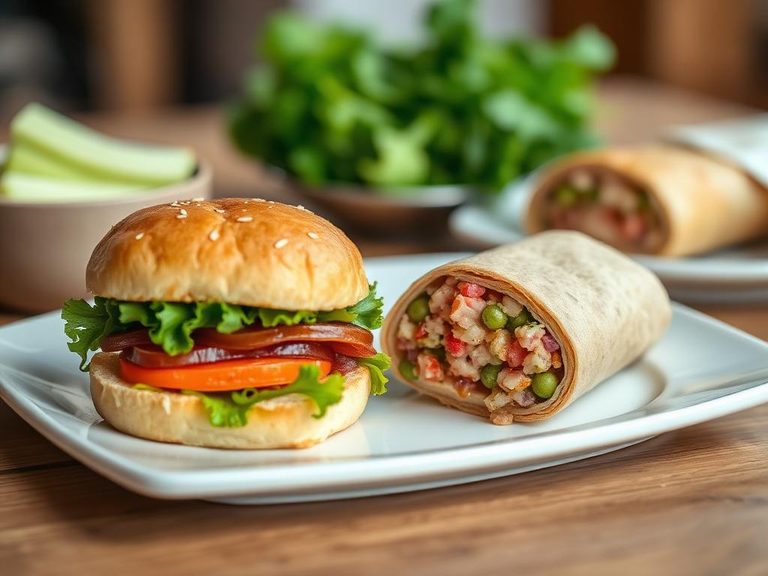
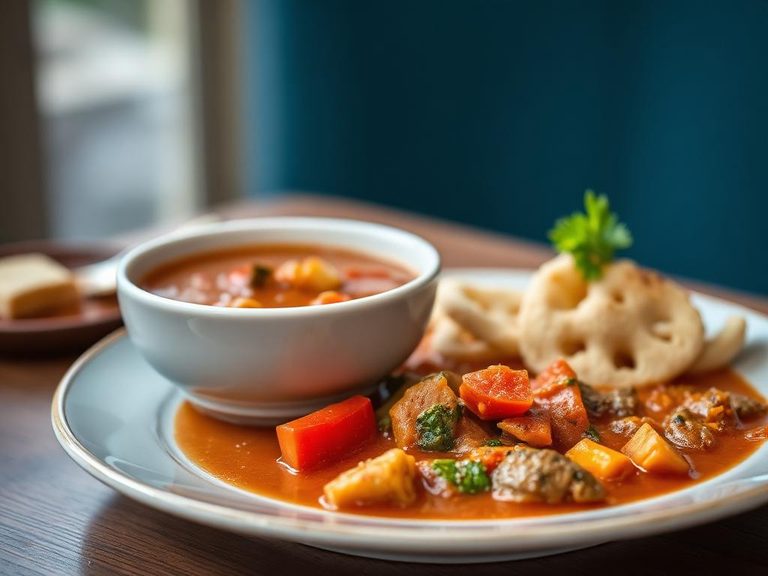
Served alongside pilot bread and tea
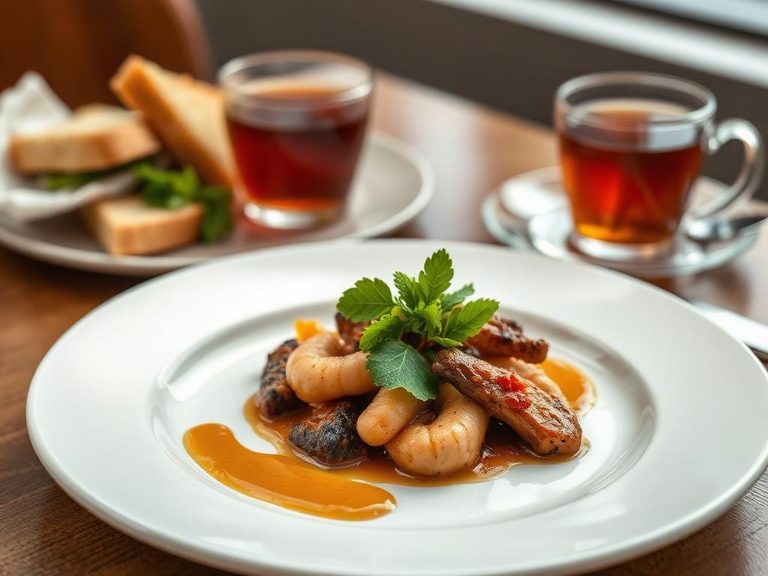
This is a hearty, traditional meal combination common in Alaska and parts of the Arctic, typically featuring a main dish like stews, dried fish, or fried meats served alongside pilot bread (a durable, hardtack-style cracker) and tea. The components are chosen for their long shelf life, high energy density, and ability to provide comfort in cold climates.
🍽️ Nutrition at a glance
The meal is generally high in carbohydrates from the pilot bread and tea (if sweetened), with moderate to high fat and protein depending on the main dish. It provides significant calories for energy, along with key nutrients like iron, sodium, and B vitamins from the protein source.
Nutrition breakdown
| Calories | 550 kcal |
| Protein | 25 g |
| Carbs | 60 g |
| Fat | 22 g |
| Fiber | 4 g |
| Sugar | 8 g |
| Sodium | 800 mg |
| Iron | 4.5 mg |
| Potassium | 600 mg |
| Vitamin B12 | 2.0 mcg |
| Niacin (B3) | 8.0 mg |
| Selenium | 30 mcg |
| Phosphorus | 350 mg |
| Zinc | 4.0 mg |
| Manganese | 1.2 mg |
Per 1 serving (approximately 400 g total: 1 cup stew, 2 slices pilot bread, 1 cup tea) · estimated, varies by recipe
💡 What's interesting
Pilot bread, a descendant of ship's hardtack, is a cultural staple in Alaska, valued for its indefinite shelf life and portability. The combination reflects a practical, high-calorie diet adapted for harsh environments, where tea provides warmth and the bread serves as a versatile, non-perishable base.