Served alongside a sandwich or wrap
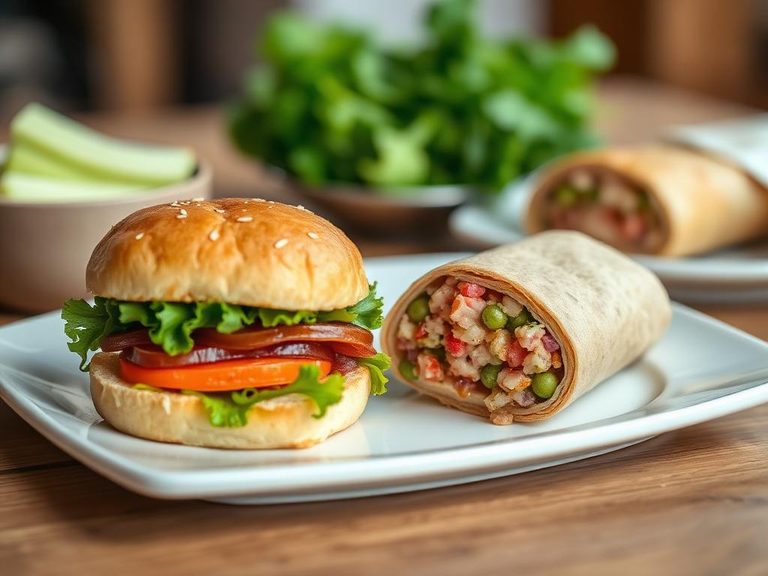
This is a side dish or accompaniment, not a standalone main course, typically served alongside sandwiches or wraps to complete the meal. Common examples include coleslaw, potato salad, pasta salad, chips, or a simple green salad, with ingredients varying widely from creamy mayonnaise-based mixtures to vinegar-dressed vegetables. It is a staple in American deli culture and casual dining, designed to add texture, flavor, and balance to the primary handheld item.
🍽️ Nutrition at a glance
Nutritional content varies greatly by type; creamy versions like potato or pasta salad are often high in fat and carbohydrates, while a side salad is lower in calories and provides fiber and vitamins. A typical serving can range from 150 to 400 calories, with protein content generally being low unless legumes or meat are included.
Nutrition breakdown
| Calories | 45 kcal |
| Protein | 2 g |
| Carbs | 8 g |
| Fat | 1 g |
| Fiber | 3 g |
| Sugar | 3 g |
| Sodium | 200 mg |
| Potassium | 250 mg |
| Vitamin C | 15 mg |
| Vitamin A | 80 mcg |
| Folate | 40 mcg |
| Vitamin K | 30 mcg |
| Calcium | 30 mg |
| Iron | 1 mg |
| Magnesium | 15 mg |
Per 1 cup (150 g) · estimated, varies by recipe
💡 What's interesting
Culturally, the choice of side often defines the regional style of a sandwich meal, such as coleslaw with a pulled pork sandwich in the American South or chips with a sub in the Northeast. Nutritionally, a well-chosen side can transform a sandwich from a simple carb-and-protein meal into a more balanced plate by adding essential micronutrients and dietary fiber.
🍽️ Related dishes
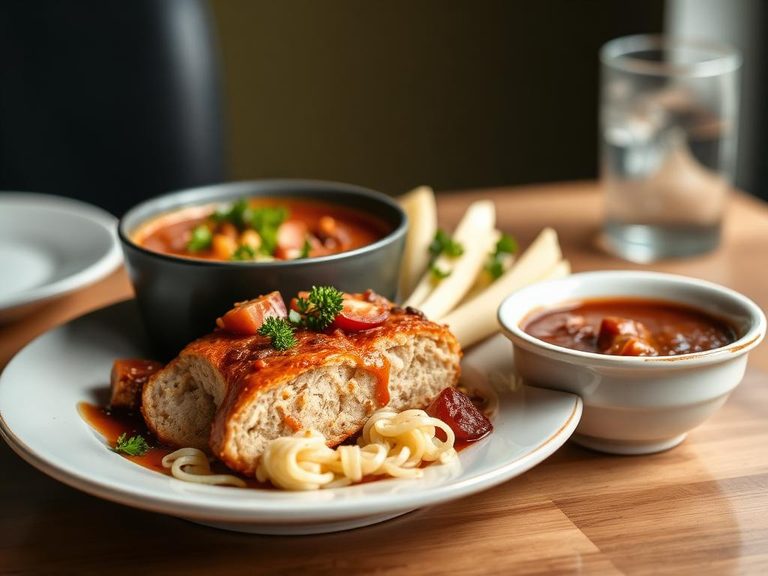 Served alongside soup or chili
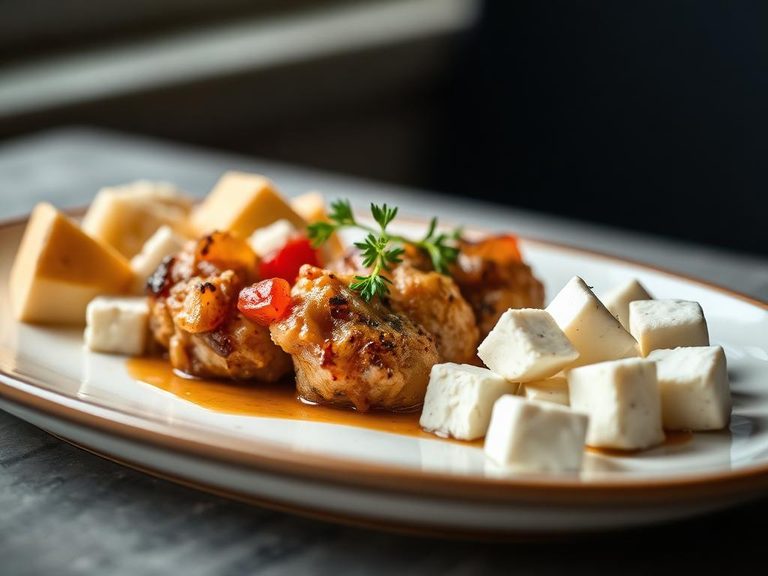 Served alongside soft cheese cubes
 Served alongside coffee or milk
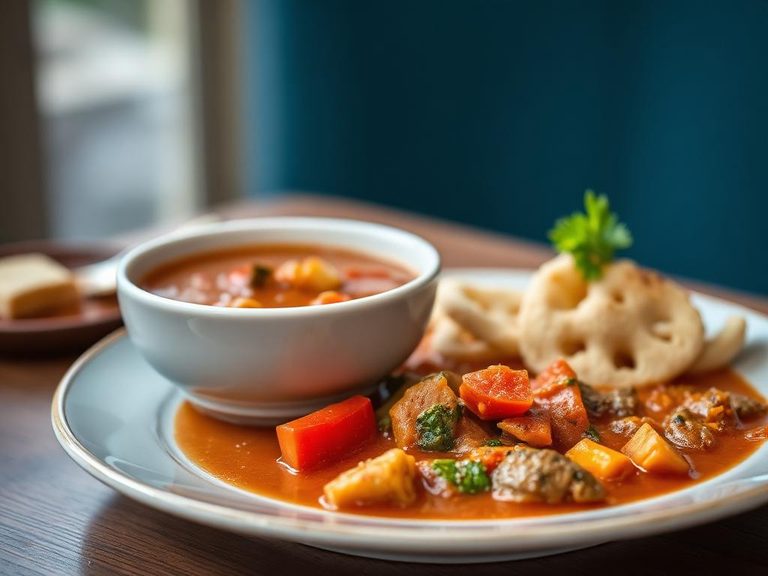 Served alongside a hearty soup or stew
 Served alongside cheese boards and charcuterie
 Served alongside a hot beverage as a quick snack
 Served alongside fruit and nut butter
 Served alongside cheese or cold cuts