

Mayonnaise, regular
Common food
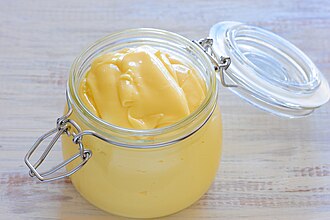
Photo: Wikipedia
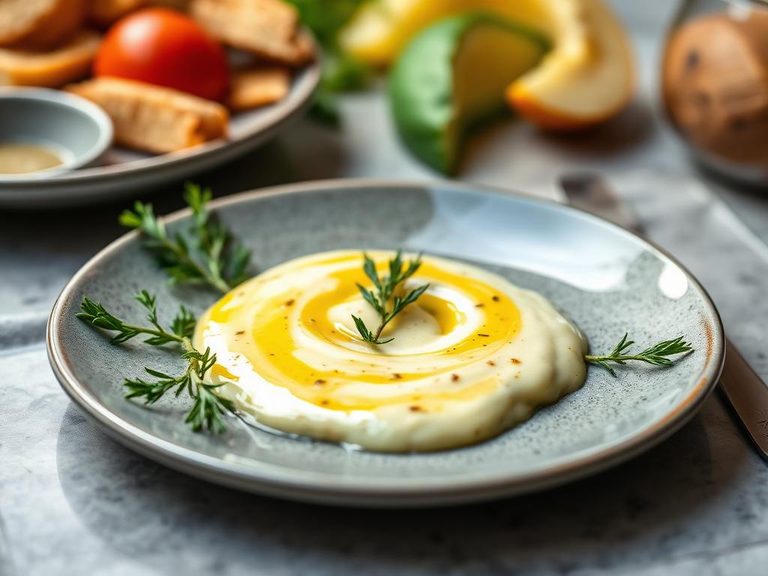
Regular mayonnaise is a thick, creamy, pale-yellow emulsion made primarily from oil, egg yolk, and an acid like vinegar or lemon juice. It has a rich, fatty mouthfeel with a subtle tang, and is one of the most calorie-dense common condiments, being almost entirely fat.
Calorie split: 1% protein · 0% carbs · 99% fat
↓ Full nutrition💚 Why it's loved
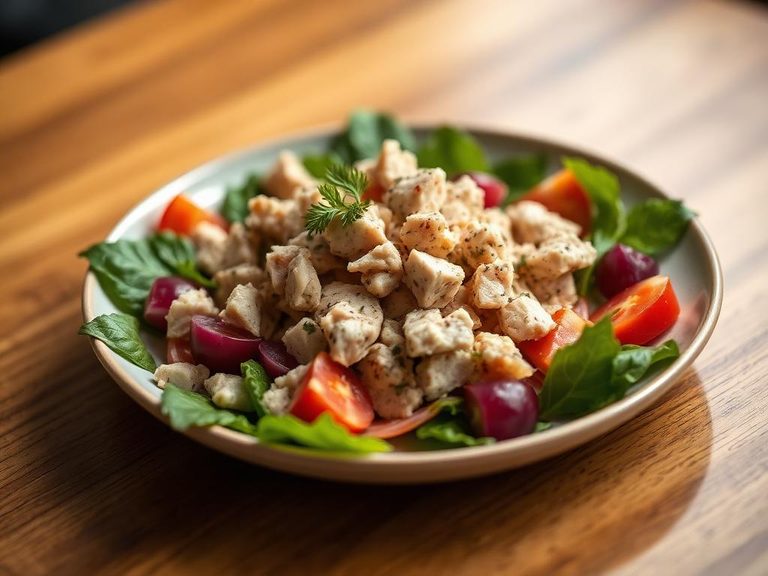
People adore mayonnaise for its unparalleled ability to add richness, moisture, and a creamy texture to sandwiches, salads, and dips. Its neutral, tangy profile makes it a universal culinary glue, from classic BLTs to potato salad.
⚠️ Watch-outs & how to enjoy it better
Due to its extremely high fat and calorie content, overconsumption can contribute to weight gain. It is also a common egg allergen. To enjoy it wisely, practice strict portion control (e.g., a thin scrape, not a heaping spoon) and use it to enhance dishes based on lean protein and fiber-rich vegetables.
Key benefits
- Provides a concentrated source of energy from fat
- Acts as a versatile base for countless sauces and dressings
- Helps carry and enhance the flavor of other ingredients
- Can improve the palatability of lean proteins and vegetables
🍽️ Popular dishes
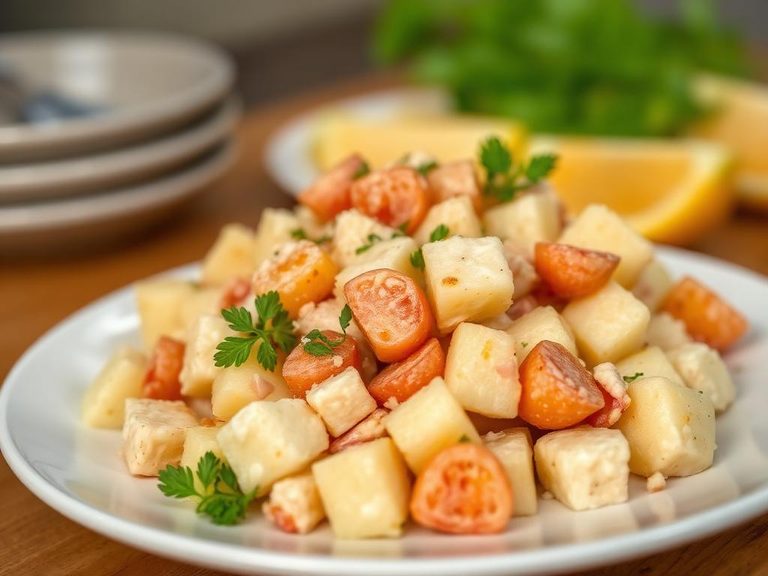
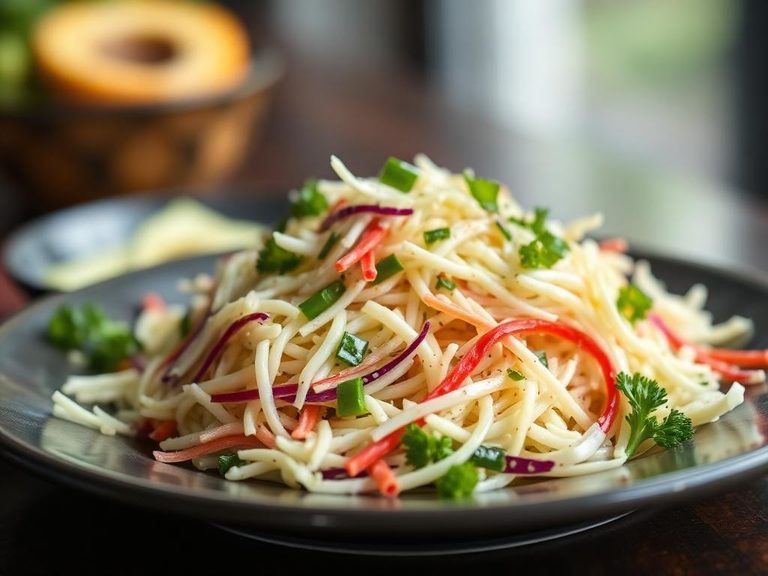
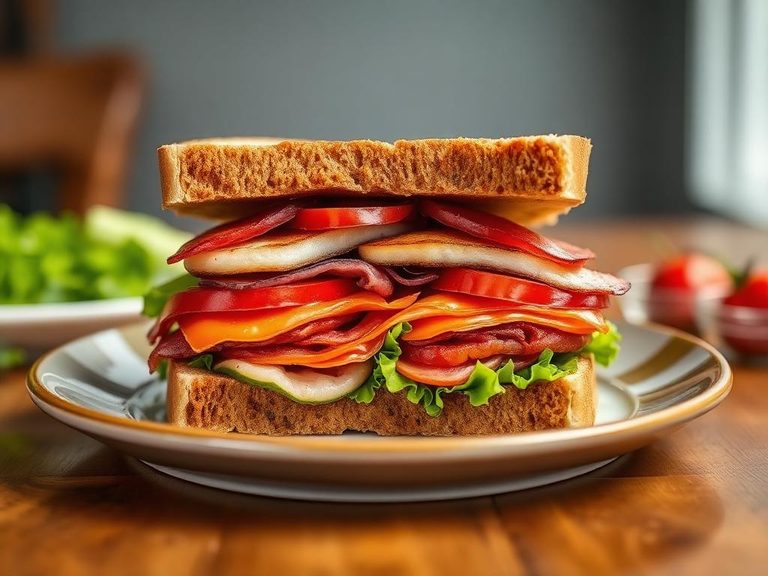

🌍 Where it's eaten
💡 Did you know?
The name 'mayonnaise' is thought to honor the 1756 French victory at the Battle of Mahón in Minorca, where a victory feast supposedly featured the sauce.
Full nutrition (USDA data · scales with serving)
| Water | 21.6 g |
| Energy | 680 kcal |
| Protein | 0.96 g |
| Total lipid (fat) | 74.8 g |
| Carbohydrate, by difference | 0.57 g |
| Fiber, total dietary | 0.00 g |
| Total Sugars | 0.57 g |
| Calcium, Ca | 8.0 mg |
| Iron, Fe | 0.21 mg |
| Magnesium, Mg | 1.0 mg |
| Phosphorus, P | 21.0 mg |
| Potassium, K | 20.0 mg |
| Sodium, Na | 635 mg |
| Zinc, Zn | 0.15 mg |
| Copper, Cu | 0.02 mg |
| Selenium, Se | 2.3 ug |
| Vitamin C, total ascorbic acid | 0.00 mg |
| Thiamin | 0.01 mg |
| Riboflavin | 0.02 mg |
| Niacin | 0.00 mg |
| Vitamin B-6 | 0.01 mg |
| Folate, total | 5.0 ug |
| Folic acid | 0.00 ug |
| Folate, food | 5.0 ug |
| Folate, DFE | 5.0 ug |
| Choline, total | 34.2 mg |
| Vitamin B-12 | 0.12 ug |
| Vitamin B-12, added | 0.00 ug |
| Vitamin A, RAE | 16.0 ug |
| Retinol | 15.0 ug |
| Carotene, beta | 6.0 ug |
| Carotene, alpha | 0.00 ug |
| Cryptoxanthin, beta | 4.0 ug |
| Lycopene | 0.00 ug |
| Lutein + zeaxanthin | 12.0 ug |
| Vitamin E (alpha-tocopherol) | 3.3 mg |
| Vitamin E, added | 0.00 mg |
| Vitamin D (D2 + D3) | 0.20 ug |
| Vitamin K (phylloquinone) | 163 ug |
| Alcohol, ethyl | 0.00 g |
| Caffeine | 0.00 mg |
| Theobromine | 0.00 mg |
Fat & fatty acid profile (per 100g)
| Fatty acids, total saturated | 11.7 g |
| SFA 4:0 | 0.00 g |
| SFA 6:0 | 0.00 g |
| SFA 8:0 | 0.00 g |
| SFA 10:0 | 0.00 g |
| SFA 12:0 | 0.00 g |
| SFA 14:0 | 0.06 g |
| SFA 16:0 | 7.9 g |
| SFA 18:0 | 3.1 g |
| Fatty acids, total monounsaturated | 16.8 g |
| MUFA 16:1 | 0.09 g |
| MUFA 18:1 | 16.5 g |
| MUFA 20:1 | 0.24 g |
| MUFA 22:1 | 0.02 g |
| Fatty acids, total polyunsaturated | 44.7 g |
| PUFA 18:2 | 39.1 g |
| PUFA 18:3 | 5.5 g |
| PUFA 18:4 | 0.00 g |
| PUFA 20:4 | 0.05 g |
| PUFA 20:5 n-3 (EPA) | 0.00 g |
| PUFA 22:5 n-3 (DPA) | 0.00 g |
| PUFA 22:6 n-3 (DHA) | 0.01 g |
| Cholesterol | 42.0 mg |
Amino acid profile (per 100g)
Estimated from Salad dressing, mayonnaise, light — USDA does not publish this profile for Mayonnaise.
| Tryptophan | 0.01 g |
| Threonine | 0.02 g |
| Isoleucine | 0.02 g |
| Leucine | 0.03 g |
| Lysine | 0.03 g |
| Methionine | 0.01 g |
| Cystine | 0.01 g |
| Phenylalanine | 0.02 g |
| Tyrosine | 0.01 g |
| Valine | 0.03 g |
| Arginine | 0.02 g |
| Histidine | 0.01 g |
| Alanine | 0.02 g |
| Aspartic acid | 0.04 g |
| Glutamic acid | 0.05 g |
| Glycine | 0.01 g |
| Proline | 0.01 g |
| Serine | 0.03 g |
FAQ
What is the main difference between regular and light mayonnaise?
Light mayonnaise replaces a significant portion of the oil with water, thickeners, and sometimes sweeteners, reducing the fat and calorie count by about half, but often with a less rich texture.
Why does homemade mayonnaise sometimes 'break' or separate?
The emulsion breaks if the oil is added too quickly or if ingredients aren't at room temperature. A broken mayo can often be rescued by starting with a fresh egg yolk and slowly whisking the broken mixture into it.
Is mayonnaise safe to leave out at room temperature?
Commercial mayonnaise is acidic enough (pH below 4.1) to inhibit bacterial growth, making it shelf-stable until opened. Homemade mayo, with a higher pH, should be refrigerated.
Nutrient density (calculated · NRF9.3)
Nutrient Rich Foods index: beneficial nutrients (protein, fiber, vitamins, minerals) minus saturated fat, added sugar & sodium, per 100 kcal.
NRF9.3 index — Fulgoni, Keast & Drewnowski, 2009. Computed from USDA nutrients.
Weight-loss friendliness (composite index)
Energy density 6.80 kcal/g · 1% calories from protein · 0.0 g fiber · 0.6 g sugar per 100 g.
Composite of energy density (Rolls et al., 1999), protein & fiber satiety, minus sugar. A calculated heuristic — ranks satiety-per-calorie, not a clinical measure.
Dietary load (calculated from USDA values)
Potential renal acid load. Positive = acid-forming, negative = alkaline-forming.
Sodium-to-potassium ratio: 31.75 (lower is better — aim for ≤ 1)
Sodium:potassium per WHO potassium guidance. Computed from USDA nutrients.