

Salad dressing, mayonnaise and mayonnaise-type, low calorie
Whole food · Fats and Oils

Photo: Wikipedia
This is a light, creamy, and tangy emulsion designed to mimic the rich mouthfeel of full-fat mayonnaise with a fraction of the calories. It achieves its smooth, spreadable texture through a blend of water, thickeners, and a small amount of oil, delivering a familiar savory flavor. Nutritionally, it is a low-calorie, low-fat alternative, though it contains more carbohydrates than traditional mayo.
Calorie split: 1% protein · 35% carbs · 63% fat
↓ Full nutrition💚 Why it's loved
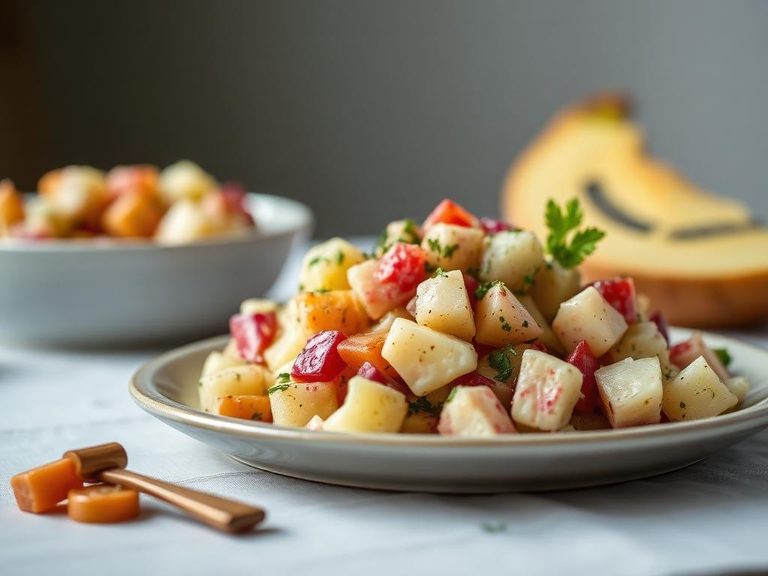
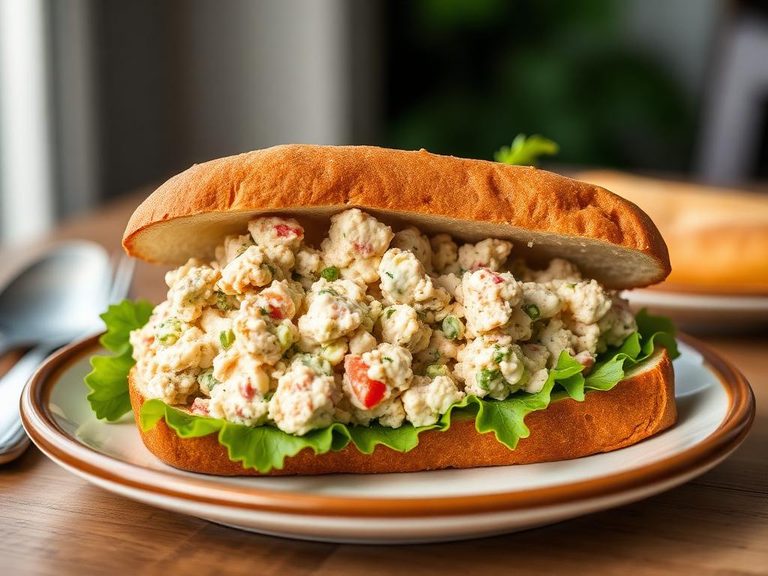
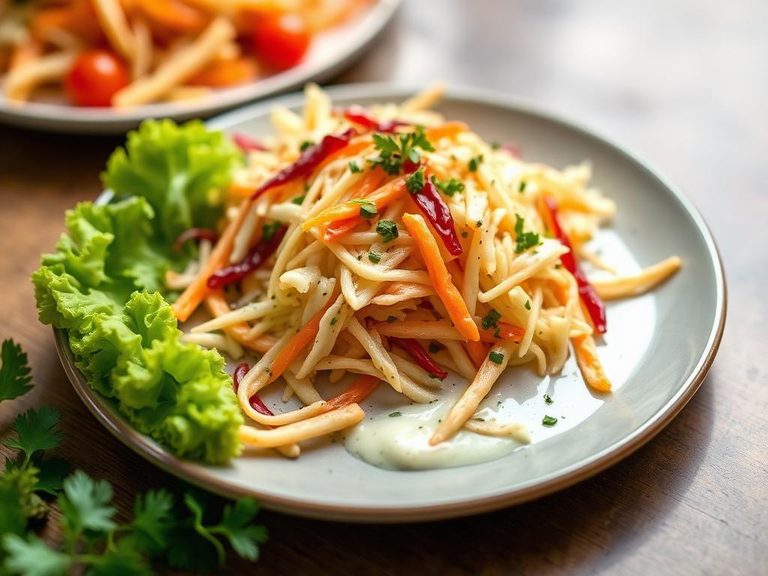
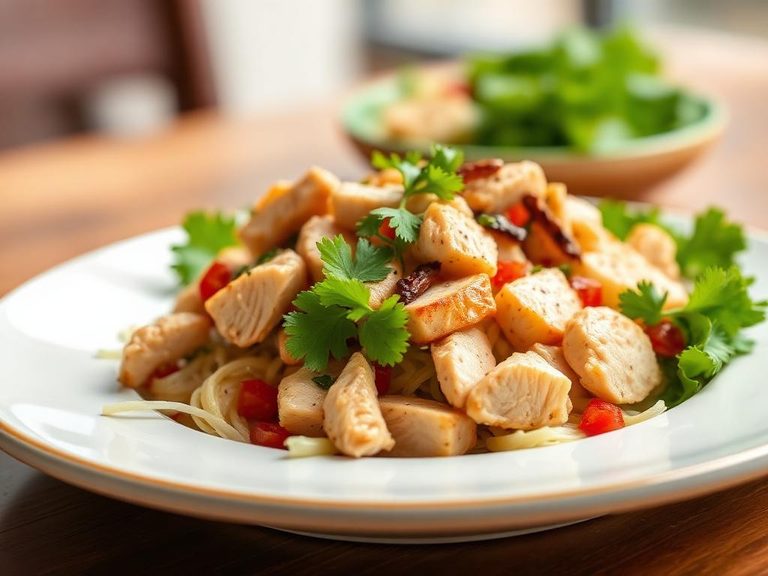
People love it for its uncanny ability to deliver the classic, comforting taste and creamy texture of mayonnaise in a lighter form, making it a staple for sandwiches, dips, and dressings. Its versatility allows it to be used in a wide range of recipes, from creamy pasta salads to chicken salad, without the guilt associated with full-fat versions.
⚠️ Watch-outs & how to enjoy it better
The primary downside is its higher carbohydrate and sugar content (from added thickeners and sweeteners) compared to pure oil-based mayonnaise, which can be a concern for those monitoring blood sugar or following a ketogenic diet. It often contains added sodium and may include common allergens like eggs and soy. To counteract this, pair it with high-fiber vegetables and lean protein to slow digestion, and always check the label for sodium content, opting for low-sodium versions when available.
Key benefits
- Significantly reduces calorie and fat intake compared to regular mayonnaise.
- Provides a creamy texture to dishes without the high saturated fat content.
- A useful tool for portion control and calorie-conscious meal planning.
- Adds moisture and flavor to sandwiches and salads without excess calories.
🍽️ Popular dishes
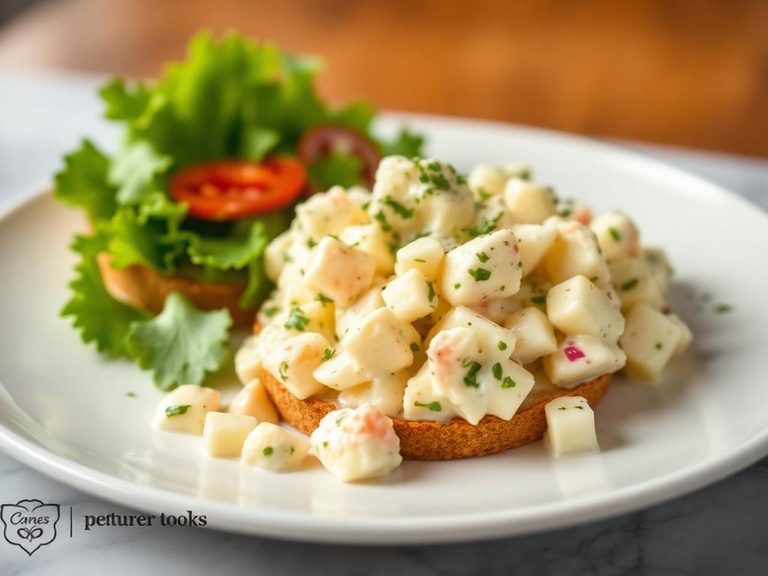
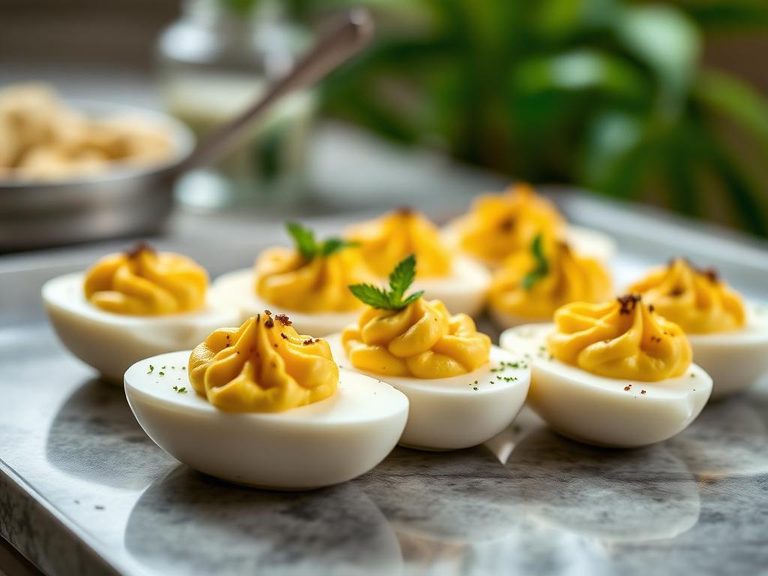
🌍 Where it's eaten
💡 Did you know?
The key to low-calorie mayonnaise's texture is often an ingredient called modified food starch or xanthan gum, which creates a stable, creamy emulsion without needing the high oil content that gives traditional mayo its body.
Full nutrition (USDA data · scales with serving)
| Water | 54.3 g |
| Energy | 263 kcal |
| Energy | 1099 kj |
| Protein | 0.90 g |
| Total lipid (fat) | 19.0 g |
| Ash | 2.0 g |
| Carbohydrate, by difference | 23.9 g |
| Fiber, total dietary | 0.00 g |
| Total Sugars | 4.3 g |
| Calcium, Ca | 14.0 mg |
| Iron, Fe | 0.26 mg |
| Magnesium, Mg | 2.0 mg |
| Phosphorus, P | 30.0 mg |
| Potassium, K | 24.0 mg |
| Sodium, Na | 837 mg |
| Zinc, Zn | 0.18 mg |
| Copper, Cu | 0.00 mg |
| Selenium, Se | 1.6 ug |
| Vitamin C, total ascorbic acid | 0.00 mg |
| Thiamin | 0.01 mg |
| Riboflavin | 0.02 mg |
| Niacin | 0.00 mg |
| Pantothenic acid | 0.07 mg |
| Vitamin B-6 | 0.02 mg |
| Folate, total | 6.0 ug |
| Folic acid | 0.00 ug |
| Folate, food | 6.0 ug |
| Folate, DFE | 6.0 ug |
| Choline, total | 8.5 mg |
| Vitamin B-12 | 0.21 ug |
| Vitamin B-12, added | 0.00 ug |
| Vitamin A, RAE | 21.0 ug |
| Retinol | 12.0 ug |
| Carotene, beta | 94.0 ug |
| Carotene, alpha | 1.0 ug |
| Cryptoxanthin, beta | 27.0 ug |
| Vitamin A, IU | 220 iu |
| Lycopene | 0.00 ug |
| Lutein + zeaxanthin | 87.0 ug |
| Vitamin E (alpha-tocopherol) | 3.1 mg |
| Vitamin E, added | 0.00 mg |
| Vitamin D (D2 + D3), International Units | 0.00 iu |
| Vitamin D (D2 + D3) | 0.00 ug |
| Vitamin K (phylloquinone) | 24.7 ug |
| Alcohol, ethyl | 0.00 g |
| Caffeine | 0.00 mg |
| Theobromine | 0.00 mg |
Fat & fatty acid profile (per 100g)
| Fatty acids, total saturated | 3.0 g |
| SFA 4:0 | 0.00 g |
| SFA 6:0 | 0.00 g |
| SFA 8:0 | 0.00 g |
| SFA 10:0 | 0.00 g |
| SFA 12:0 | 0.00 g |
| SFA 14:0 | 0.02 g |
| SFA 16:0 | 2.1 g |
| SFA 18:0 | 0.78 g |
| Fatty acids, total monounsaturated | 4.6 g |
| MUFA 16:1 | 0.08 g |
| MUFA 18:1 | 4.5 g |
| MUFA 20:1 | 0.04 g |
| MUFA 22:1 | 0.00 g |
| Fatty acids, total polyunsaturated | 10.4 g |
| PUFA 18:2 | 9.2 g |
| PUFA 18:3 | 1.2 g |
| PUFA 18:4 | 0.00 g |
| PUFA 20:4 | 0.02 g |
| PUFA 20:5 n-3 (EPA) | 0.00 g |
| PUFA 22:5 n-3 (DPA) | 0.00 g |
| PUFA 22:6 n-3 (DHA) | 0.01 g |
| Cholesterol | 26.0 mg |
Amino acid profile (per 100g)
Estimated from Salad dressing, sesame seed dressing, regular — USDA does not publish this profile for Salad dressing.
| Tryptophan | 0.05 g |
| Threonine | 0.05 g |
| Isoleucine | 0.05 g |
| Leucine | 0.08 g |
| Lysine | 0.14 g |
| Methionine | 0.03 g |
| Cystine | 0.00 g |
| Phenylalanine | 0.09 g |
| Tyrosine | 0.10 g |
| Valine | 0.07 g |
| Arginine | 0.40 g |
| Histidine | 0.03 g |
| Alanine | 0.00 g |
| Aspartic acid | 0.00 g |
| Glutamic acid | 0.46 g |
| Glycine | 0.00 g |
| Proline | 0.00 g |
| Serine | 0.00 g |
FAQ
How does the taste differ from regular mayonnaise?
It typically has a similar tangy, savory flavor profile but can taste slightly thinner or more 'watery' on the palate due to the lower oil content. Some brands add more sugar or thickeners to compensate, which can alter the taste.
Can I use it for baking as a substitute for regular mayo?
It's not recommended. The different composition (higher water, different fats) can significantly alter the texture and rise of baked goods like cakes or quick breads that rely on the fat and emulsifying properties of full-fat mayonnaise.
Is it safe for people with egg allergies?
No. Most mayonnaise and mayonnaise-type dressings, including low-calorie versions, contain eggs as a primary emulsifying ingredient. Always check the ingredient list for allergen warnings.
Nutrient density (calculated · NRF9.3)
Nutrient Rich Foods index: beneficial nutrients (protein, fiber, vitamins, minerals) minus saturated fat, added sugar & sodium, per 100 kcal.
NRF9.3 index — Fulgoni, Keast & Drewnowski, 2009. Computed from USDA nutrients.
Weight-loss friendliness (composite index)
Energy density 2.63 kcal/g · 1% calories from protein · 0.0 g fiber · 4.3 g sugar per 100 g.
Composite of energy density (Rolls et al., 1999), protein & fiber satiety, minus sugar. A calculated heuristic — ranks satiety-per-calorie, not a clinical measure.
Dietary load (calculated from USDA values)
Potential renal acid load. Positive = acid-forming, negative = alkaline-forming.
Sodium-to-potassium ratio: 34.88 (lower is better — aim for ≤ 1)
Sodium:potassium per WHO potassium guidance. Computed from USDA nutrients.