

Coleslaw
Common food
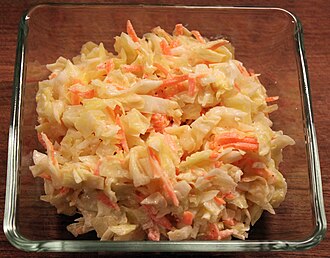
Photo: Wikipedia
Coleslaw is a crisp, creamy salad of finely shredded raw cabbage, traditionally bound with mayonnaise or a vinegar-based dressing. Its texture is a satisfying crunch, offering a cool, tangy, and often slightly sweet contrast to rich, savory dishes. Nutritionally, it's a low-calorie, high-fiber side that provides a good dose of vitamin K and vitamin C from the cabbage.
Calorie split: 3% protein · 36% carbs · 61% fat
↓ Full nutrition💚 Why it's loved
People love coleslaw for its refreshing crunch and creamy-tangy balance that perfectly cuts through the richness of fried foods, barbecue, and sandwiches. It's a versatile staple at picnics, barbecues, and delis, embodying a sense of casual, comforting Americana.
⚠️ Watch-outs & how to enjoy it better
The primary downside is the high sugar and fat content in many commercial or creamy mayonnaise-based dressings, which can contribute to empty calories and blood sugar spikes. To counteract this, opt for a vinegar-based slaw, use a light hand with the dressing, or pair it with a protein-rich main like pulled pork or grilled chicken to balance the meal. Those watching sodium should also be mindful, as some pre-made dressings are salty.
Key benefits
- Excellent source of dietary fiber for digestive health.
- Rich in vitamin K, essential for blood clotting and bone health.
- Provides vitamin C, an important antioxidant.
- Low in protein, making it a light side dish.
- Can be a low-carb option if dressed with vinegar rather than sweetened mayo.
🍽️ Popular dishes
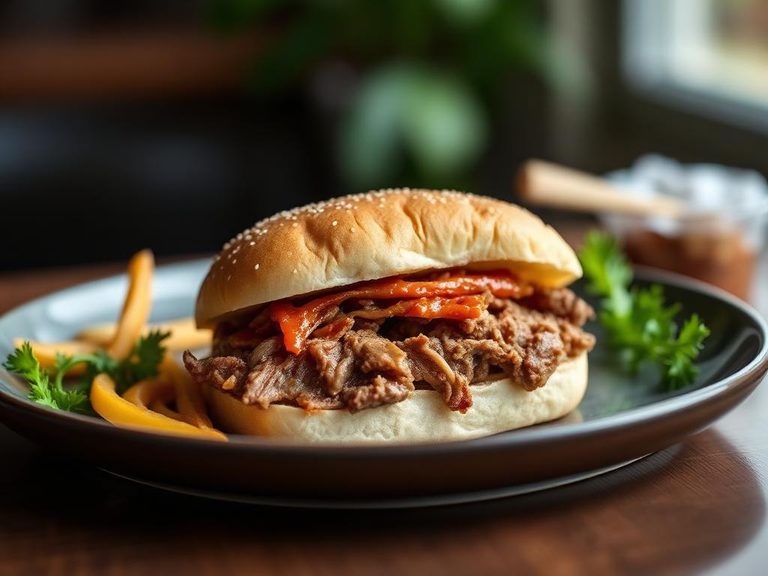
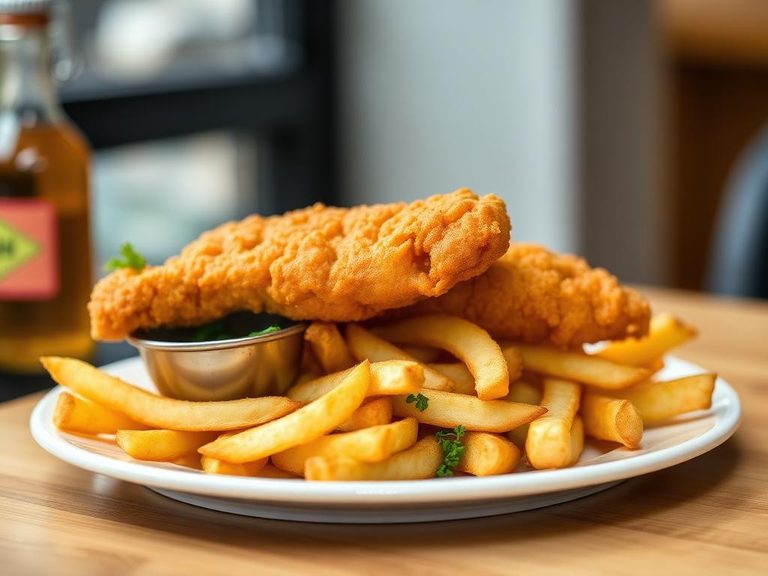
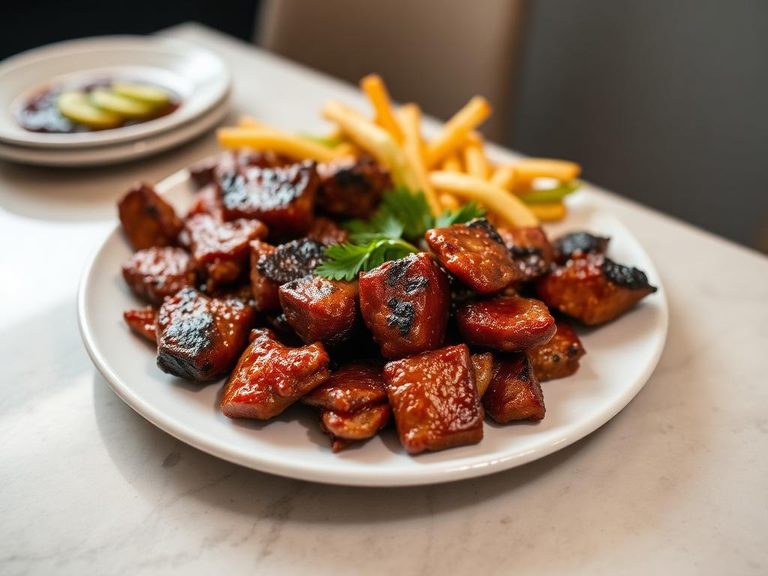
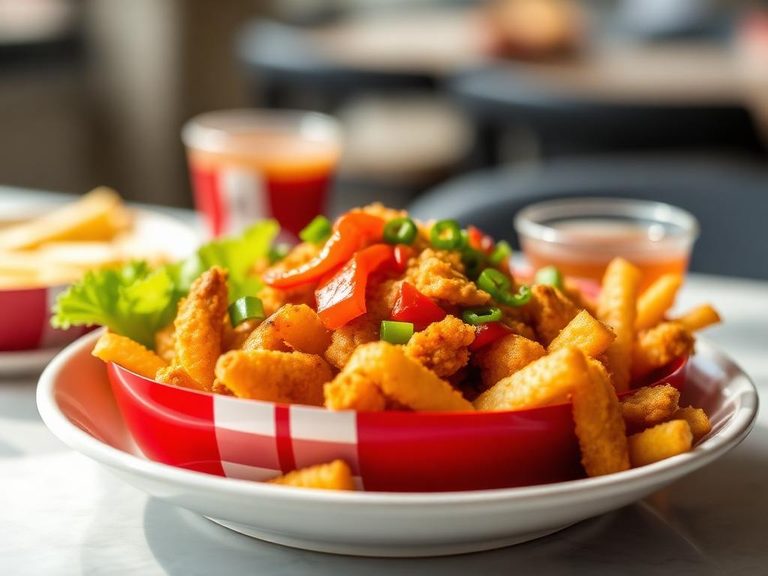
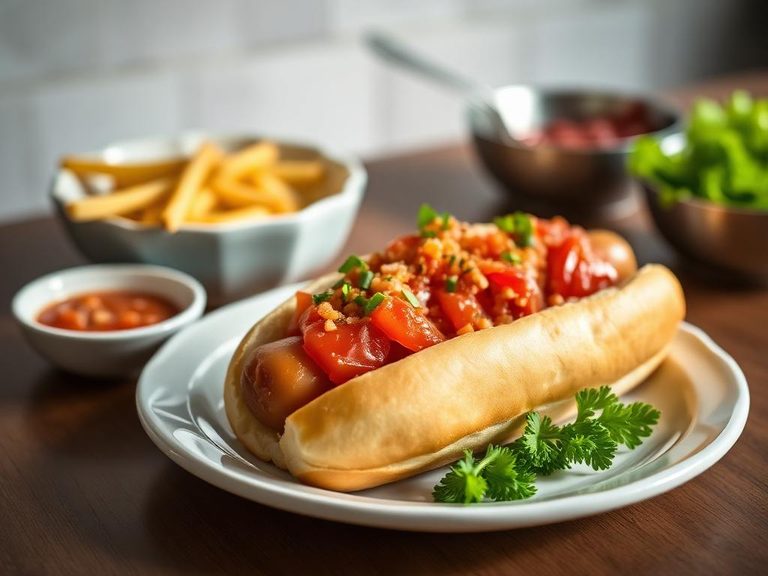
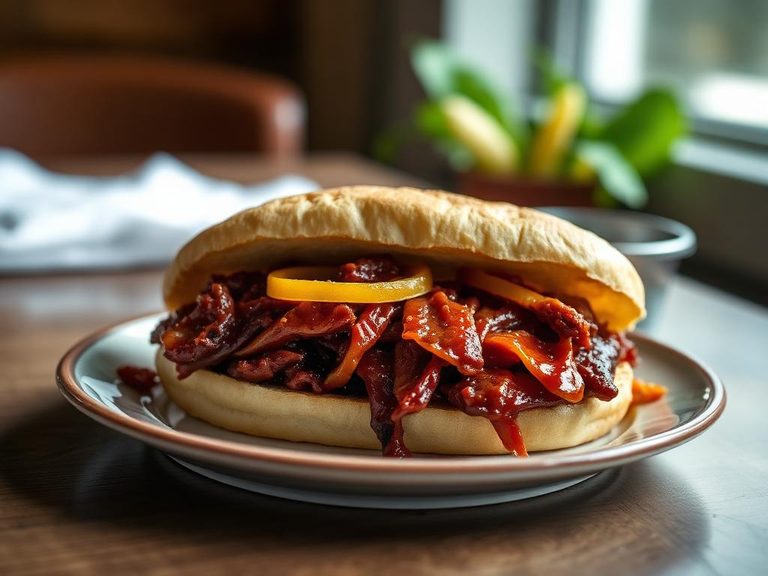
🌍 Where it's eaten
💡 Did you know?
The word 'coleslaw' comes from the Dutch term 'koolsla,' meaning 'cabbage salad,' and the dish was originally dressed simply with vinegar, oil, and butter before mayonnaise became popular in the 20th century.
Full nutrition (USDA data · scales with serving)
| Water | 79.5 g |
| Energy | 117 kcal |
| Protein | 0.94 g |
| Total lipid (fat) | 8.0 g |
| Carbohydrate, by difference | 10.4 g |
| Fiber, total dietary | 1.9 g |
| Total Sugars | 7.4 g |
| Calcium, Ca | 33.0 mg |
| Iron, Fe | 0.14 mg |
| Magnesium, Mg | 11.0 mg |
| Phosphorus, P | 32.0 mg |
| Potassium, K | 172 mg |
| Sodium, Na | 280 mg |
| Zinc, Zn | 0.20 mg |
| Copper, Cu | 0.01 mg |
| Selenium, Se | 1.3 ug |
| Vitamin C, total ascorbic acid | 26.9 mg |
| Thiamin | 0.06 mg |
| Riboflavin | 0.05 mg |
| Niacin | 0.29 mg |
| Vitamin B-6 | 0.11 mg |
| Folate, total | 33.0 ug |
| Folic acid | 0.00 ug |
| Folate, food | 33.0 ug |
| Folate, DFE | 33.0 ug |
| Choline, total | 11.2 mg |
| Vitamin B-12 | 0.02 ug |
| Vitamin B-12, added | 0.00 ug |
| Vitamin A, RAE | 79.0 ug |
| Retinol | 4.0 ug |
| Carotene, beta | 747 ug |
| Carotene, alpha | 323 ug |
| Cryptoxanthin, beta | 0.00 ug |
| Lycopene | 0.00 ug |
| Lutein + zeaxanthin | 53.0 ug |
| Vitamin E (alpha-tocopherol) | 0.85 mg |
| Vitamin E, added | 0.00 mg |
| Vitamin D (D2 + D3) | 0.00 ug |
| Vitamin K (phylloquinone) | 54.3 ug |
| Alcohol, ethyl | 0.00 g |
| Caffeine | 0.00 mg |
| Theobromine | 0.00 mg |
Fat & fatty acid profile (per 100g)
| Fatty acids, total saturated | 1.2 g |
| SFA 4:0 | 0.00 g |
| SFA 6:0 | 0.00 g |
| SFA 8:0 | 0.01 g |
| SFA 10:0 | 0.00 g |
| SFA 12:0 | 0.00 g |
| SFA 14:0 | 0.01 g |
| SFA 16:0 | 0.84 g |
| SFA 18:0 | 0.32 g |
| Fatty acids, total monounsaturated | 1.7 g |
| MUFA 16:1 | 0.01 g |
| MUFA 18:1 | 1.6 g |
| MUFA 20:1 | 0.04 g |
| MUFA 22:1 | 0.02 g |
| Fatty acids, total polyunsaturated | 4.4 g |
| PUFA 18:2 | 3.8 g |
| PUFA 18:3 | 0.58 g |
| PUFA 18:4 | 0.00 g |
| PUFA 20:4 | 0.00 g |
| PUFA 20:5 n-3 (EPA) | 0.00 g |
| PUFA 22:5 n-3 (DPA) | 0.00 g |
| PUFA 22:6 n-3 (DHA) | 0.00 g |
| Cholesterol | 9.0 mg |
Amino acid profile (per 100g)
Estimated from APPLEBEE'S, coleslaw — USDA does not publish this profile for Coleslaw.
| Tryptophan | 0.01 g |
| Threonine | 0.02 g |
| Isoleucine | 0.03 g |
| Leucine | 0.03 g |
| Lysine | 0.02 g |
| Methionine | 0.01 g |
| Cystine | 0.01 g |
| Phenylalanine | 0.02 g |
| Tyrosine | 0.01 g |
| Valine | 0.03 g |
| Arginine | 0.06 g |
| Histidine | 0.01 g |
| Alanine | 0.03 g |
| Aspartic acid | 0.07 g |
| Glutamic acid | 0.13 g |
| Glycine | 0.02 g |
| Proline | 0.01 g |
| Serine | 0.02 g |
| Hydroxyproline | 0.00 g |
FAQ
Is coleslaw healthy?
It can be. The cabbage itself is very nutritious, high in fiber and vitamins. The healthiness depends heavily on the dressing; a vinegar-based slaw is much lower in fat and calories than a traditional creamy, mayonnaise-based one.
Why does my homemade coleslaw get watery?
Cabbage releases water when it comes into contact with salt. To prevent a watery slaw, you can salt the shredded cabbage and let it sit in a colander for 30 minutes to draw out moisture, then rinse and pat dry before dressing. Alternatively, dress the slaw just before serving.
What's the difference between coleslaw and sauerkraut?
Both are cabbage salads, but coleslaw is typically served fresh and raw with a dressing, while sauerkraut is cabbage that has been fermented by lactic acid bacteria, giving it a sour taste and preserved quality.
Nutrient density (calculated · NRF9.3)
Nutrient Rich Foods index: beneficial nutrients (protein, fiber, vitamins, minerals) minus saturated fat, added sugar & sodium, per 100 kcal.
NRF9.3 index — Fulgoni, Keast & Drewnowski, 2009. Computed from USDA nutrients.
Weight-loss friendliness (composite index)
Energy density 1.17 kcal/g · 3% calories from protein · 1.9 g fiber · 7.4 g sugar per 100 g.
Composite of energy density (Rolls et al., 1999), protein & fiber satiety, minus sugar. A calculated heuristic — ranks satiety-per-calorie, not a clinical measure.
Dietary load (calculated from USDA values)
Potential renal acid load. Positive = acid-forming, negative = alkaline-forming.
Sodium-to-potassium ratio: 1.63 (lower is better — aim for ≤ 1)
Sodium:potassium per WHO potassium guidance. Computed from USDA nutrients.