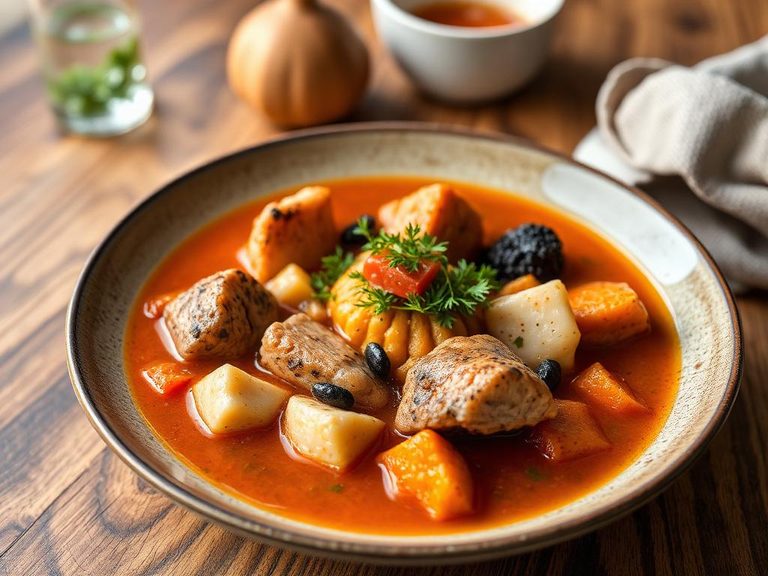
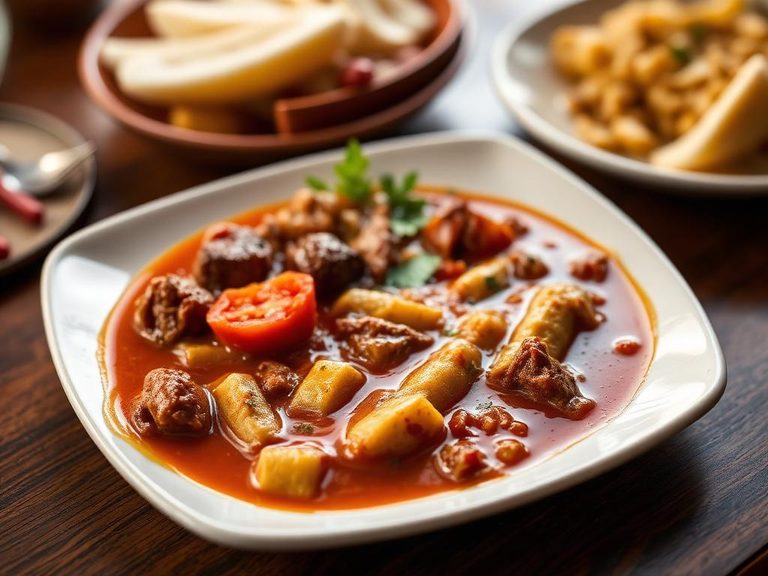
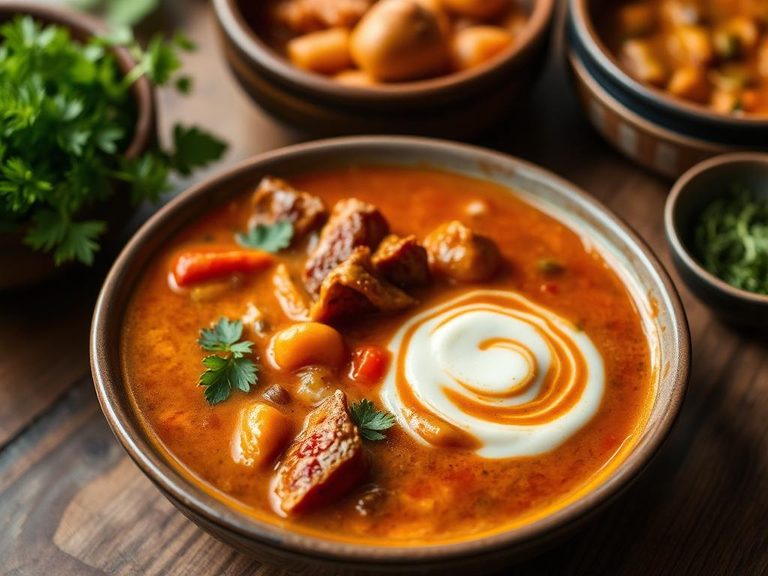
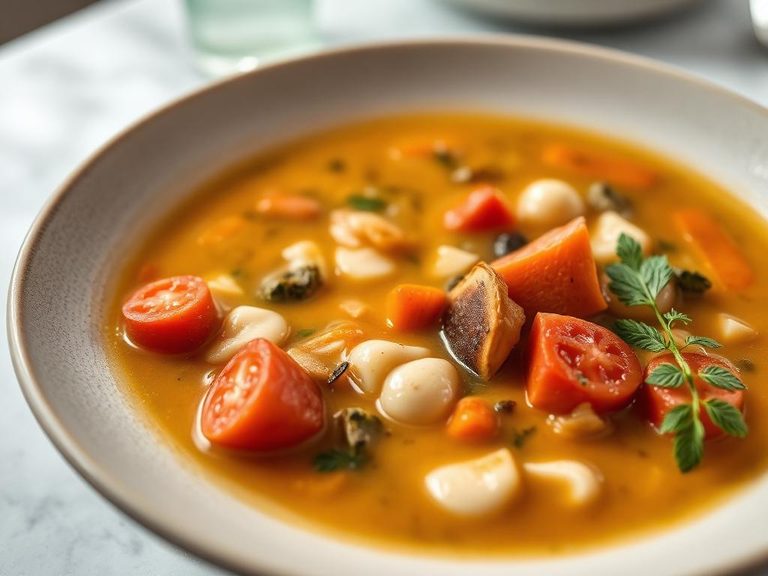
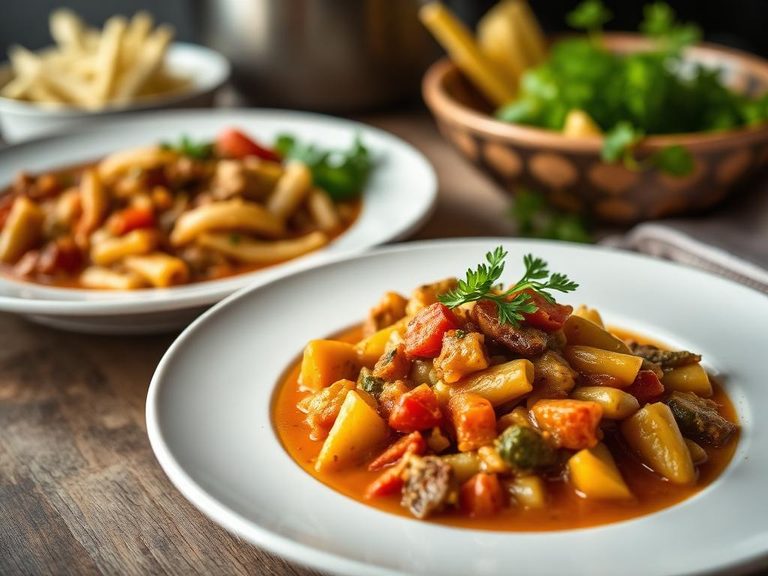
Added to stews or soups for flavor
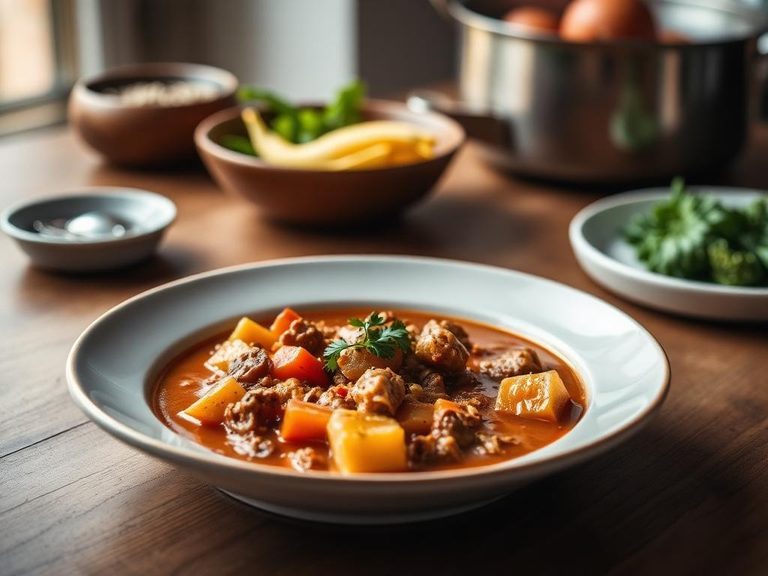
Bay leaves are aromatic, dried leaves from the bay laurel tree, commonly used to add a subtle, herbal depth to stews, soups, and sauces. They are not eaten themselves but are removed before serving, infusing dishes with a warm, slightly floral and peppery flavor. Originating in the Mediterranean, they are a staple in cuisines worldwide.
🍽️ Nutrition at a glance
As a non-consumed herb, bay leaves contribute negligible calories, fat, or protein. Their primary nutritional value comes from trace minerals and antioxidants that infuse into the cooking liquid.
Nutrition breakdown
| Calories | 2 kcal |
| Protein | 0.1 g |
| Carbs | 0.5 g |
| Fat | 0 g |
| Fiber | 0.3 g |
| Sugar | 0 g |
| Sodium | 0 mg |
| Vitamin A | 6 mcg RAE |
| Vitamin C | 0.2 mg |
| Calcium | 8 mg |
| Iron | 0.3 mg |
| Magnesium | 1 mg |
| Potassium | 5 mg |
| Manganese | 0.02 mg |
Per 1 dried bay leaf (approx. 0.5 g) · estimated, varies by recipe
💡 What's interesting
Bay leaves have been used for thousands of years, not just in cooking but also in ancient Greek and Roman traditions as symbols of honor and victory. Their unique flavor compounds, like eucalyptol, are released slowly through simmering, making them ideal for long-cooked dishes.