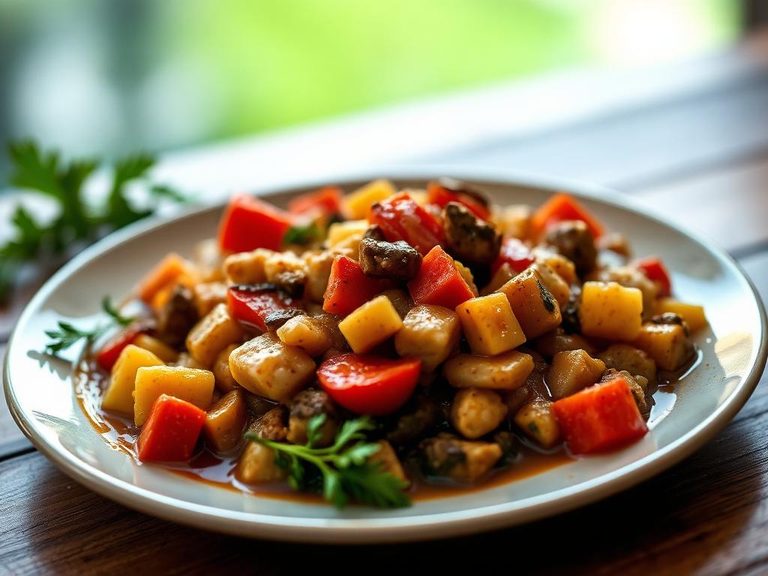
Rehydrated and added to stews or soups

This is a category of ingredients, not a single dish, referring to dried foods like mushrooms, beans, or seaweed that are rehydrated and then used in stews or soups. Common examples include dried shiitake mushrooms, black-eyed peas, and wakame seaweed, which are staples in cuisines worldwide from East Asia to the Mediterranean. The process of rehydrating concentrates flavors and makes these ingredients shelf-stable.
🍽️ Nutrition at a glance
Nutritional content varies widely by ingredient, but they are generally a good source of plant-based protein, fiber, and complex carbohydrates. A typical serving provides a moderate calorie count, often between 100-250 kcal, along with essential minerals.
Nutrition breakdown
| Calories | 180 kcal |
| Protein | 10 g |
| Carbs | 30 g |
| Fat | 1 g |
| Fiber | 8 g |
| Sugar | 4 g |
| Sodium | 450 mg |
| Potassium | 600 mg |
| Iron | 3 mg |
| Magnesium | 50 mg |
| Phosphorus | 120 mg |
| Copper | 0.4 mg |
| Selenium | 15 mcg |
| Vitamin B2 (Riboflavin) | 0.3 mg |
| Niacin (B3) | 4 mg |
Per 1 cup of mixed rehydrated ingredients (e.g., mushrooms, beans, seaweed) (240 g) · estimated, varies by recipe
💡 What's interesting
The rehydration process not only restores texture but also intensifies the umami flavor, especially in mushrooms, making them a natural flavor enhancer for broths. Nutritionally, drying can concentrate certain nutrients, making them a dense source of vitamins and minerals like iron and potassium.