Rehydrated in Soups and Stews
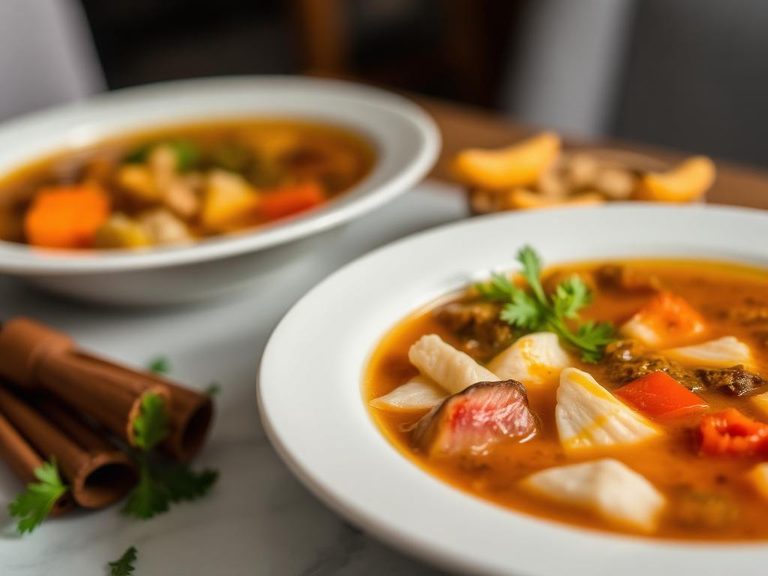
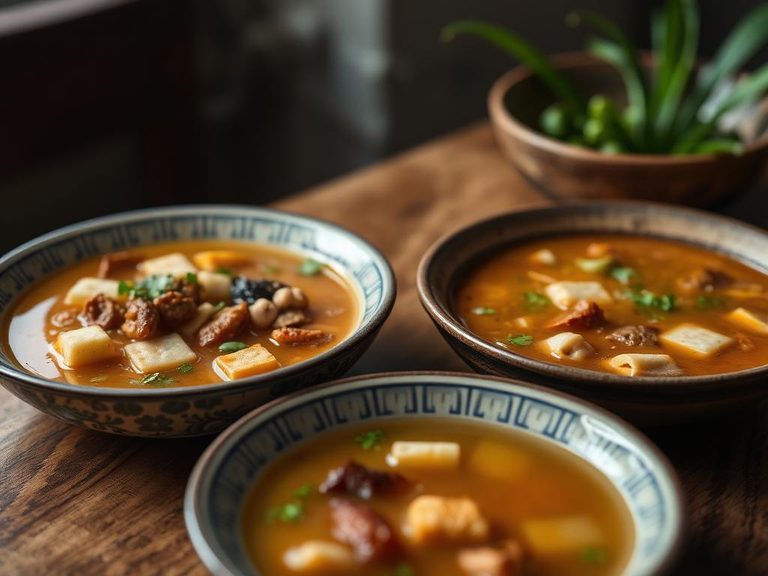
Rehydrated in Soups and Stews refers to the culinary practice of using dried ingredients—such as mushrooms, beans, seaweed, or noodles—that are rehydrated by simmering directly in a flavorful broth. This method is common in many global cuisines, including Chinese, Japanese, Korean, and Italian, to create hearty, umami-rich dishes. The process allows the dried ingredients to absorb the soup's flavors while contributing their own depth and texture.
🍽️ Nutrition at a glance
This dish is typically moderate to high in carbohydrates, especially when featuring beans, noodles, or starchy vegetables, and provides a good source of plant-based protein and dietary fiber. A standard serving can range from 200 to 400 calories, depending on the specific ingredients and broth used.
Nutrition breakdown
| Calories | 280 kcal |
| Protein | 12 g |
| Carbs | 40 g |
| Fat | 6 g |
| Fiber | 8 g |
| Sugar | 4 g |
| Sodium | 650 mg |
| Potassium | 450 mg |
| Iron | 3.2 mg |
| Vitamin B6 | 0.4 mg |
| Magnesium | 55 mg |
| Phosphorus | 180 mg |
| Zinc | 2.1 mg |
| Folate | 120 mcg |
| Vitamin D | 0.2 mcg |
Per 1 cup (240 g) · estimated, varies by recipe
💡 What's interesting
Rehydrating dried ingredients in soup is a traditional preservation and cooking technique that intensifies flavors, as dried foods often develop concentrated, savory notes. Nutritionally, this method can enhance the bioavailability of certain nutrients, like iron from seaweed or lycopene from tomatoes, making them easier for the body to absorb.