Added to fish stews or soups
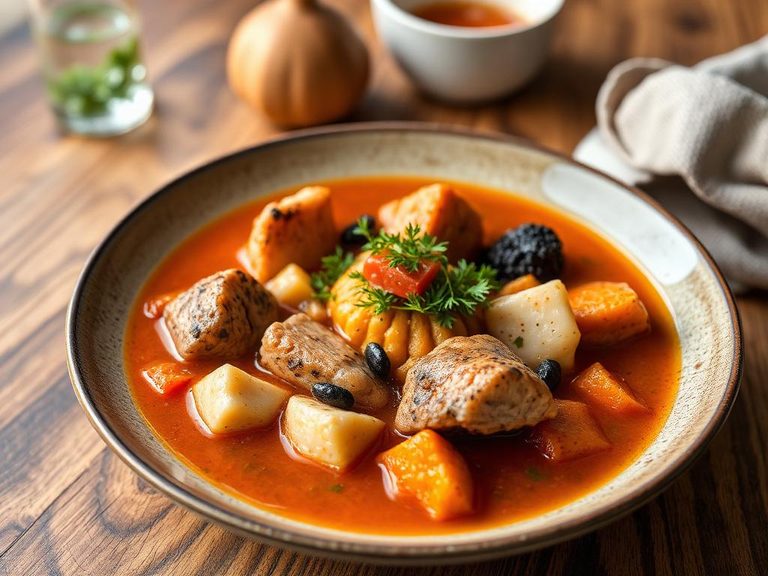
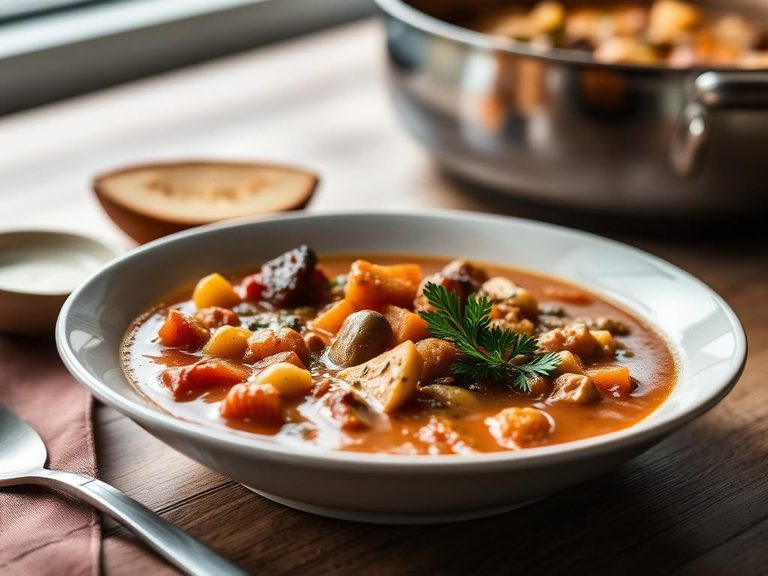
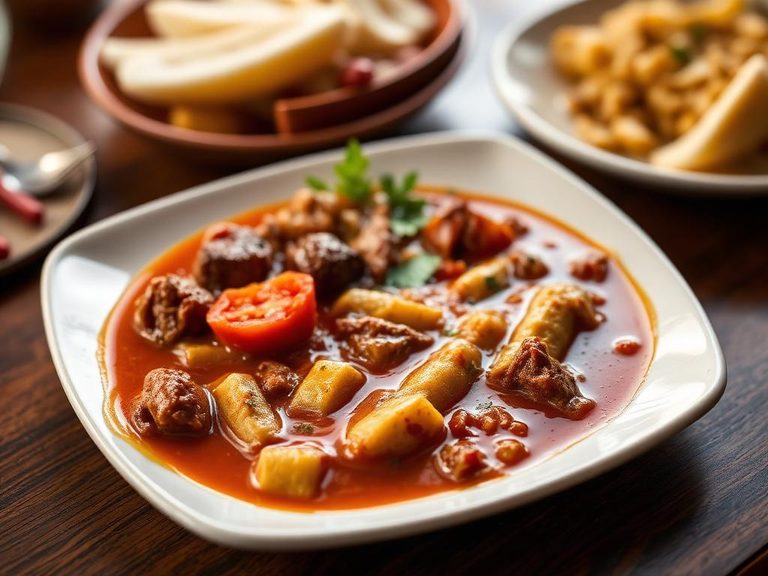
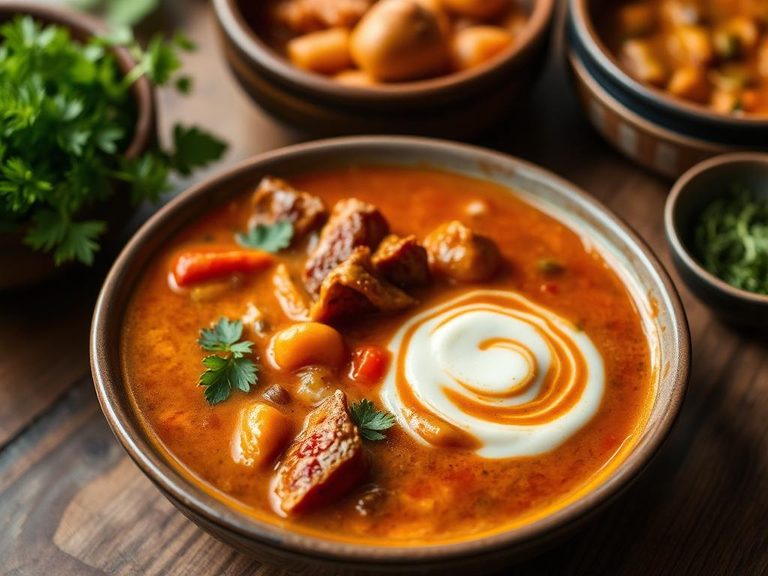
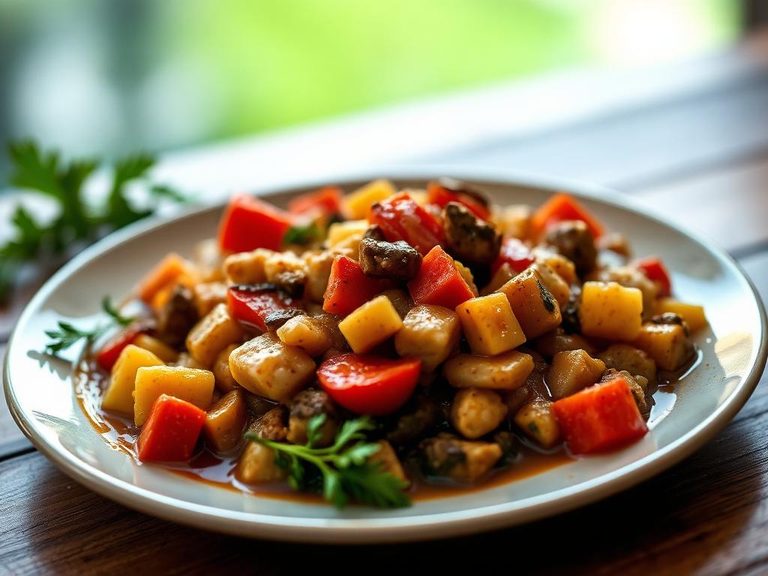
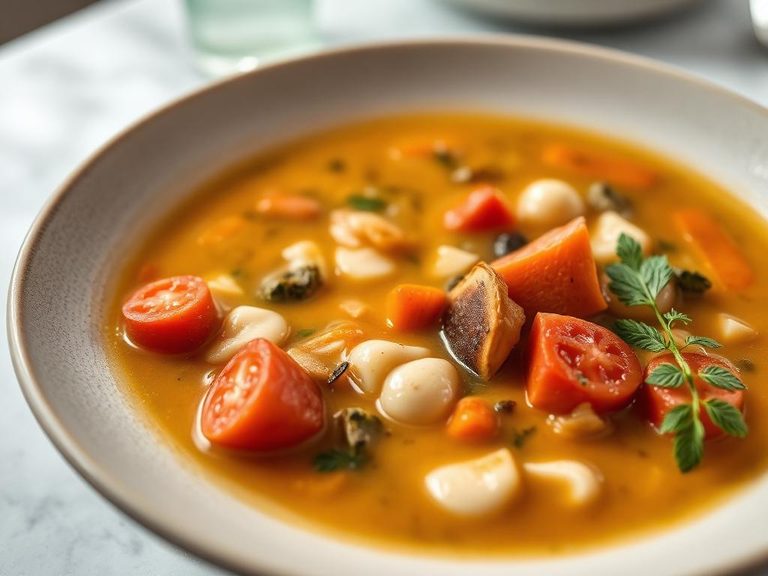
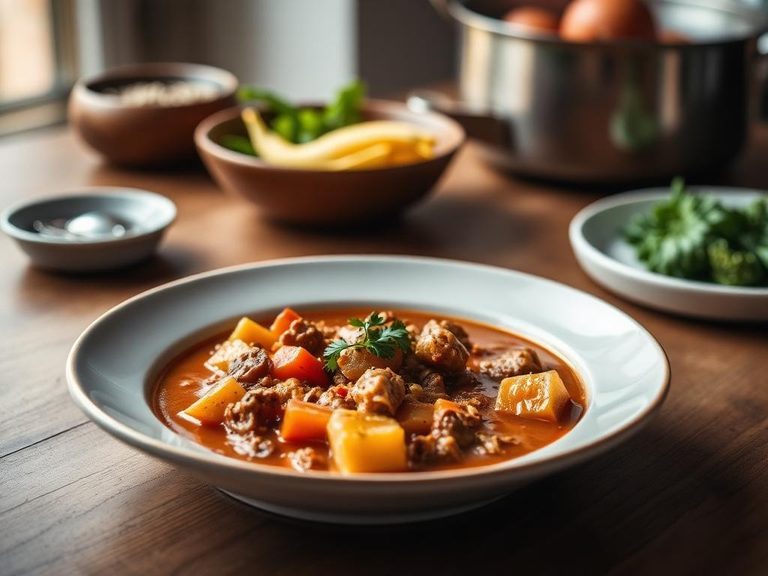
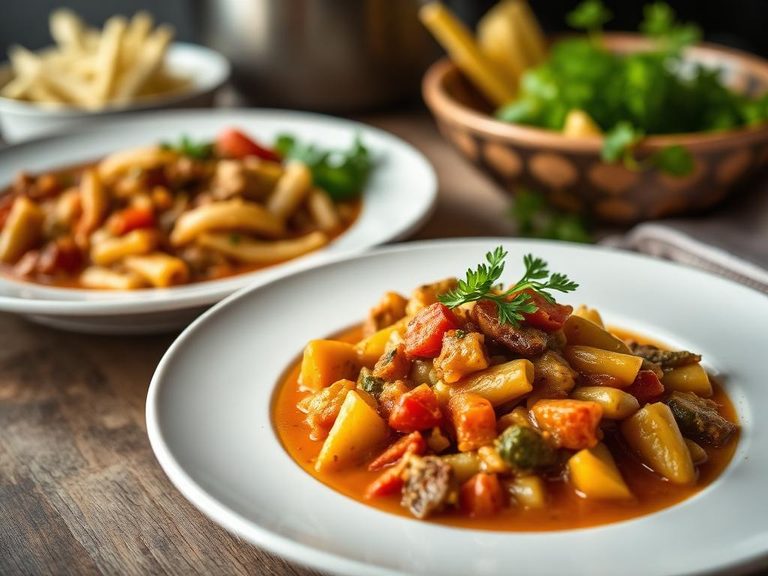
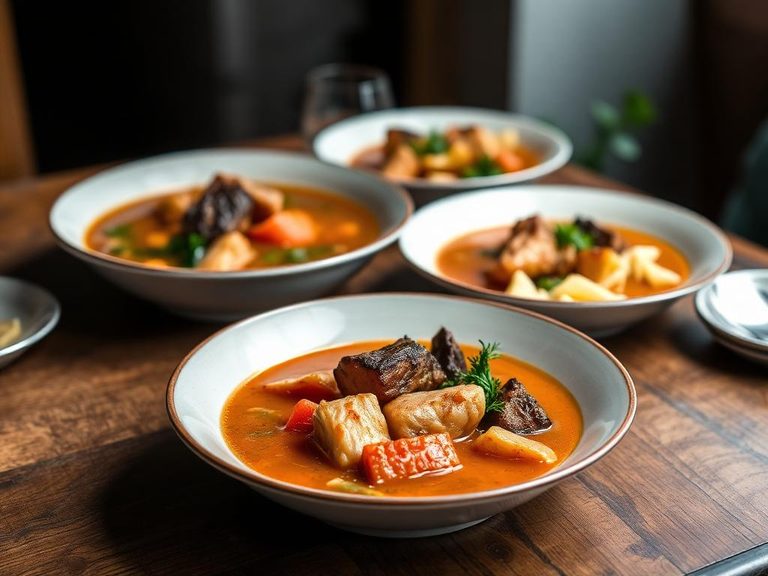
This is not a standalone dish, but a category of ingredients added to fish stews or soups to enhance flavor, texture, and nutritional value. Common additions include vegetables like tomatoes, onions, and potatoes, herbs such as dill and parsley, and sometimes starchy elements like rice or noodles. These components are foundational in many coastal and riverine cuisines worldwide, from Mediterranean fish soup to Asian fish head stew.
🍽️ Nutrition at a glance
These additions are generally not high in fat, but they significantly boost the stew's carbohydrate, fiber, and micronutrient content. They provide key vitamins like Vitamin C and A, minerals such as potassium, and add roughly 50-150 calories per cup, depending on the specific ingredients used.
Nutrition breakdown
| Calories | 85 kcal |
| Protein | 2.5 g |
| Carbs | 18 g |
| Fat | 0.5 g |
| Fiber | 4 g |
| Sugar | 8 g |
| Sodium | 300 mg |
| Potassium | 450 mg |
| Vitamin C | 25 mg |
| Vitamin A | 120 mcg |
| Manganese | 0.4 mg |
| Folate | 50 mcg |
| Vitamin K | 15 mcg |
| Iron | 1.2 mg |
| Magnesium | 20 mg |
Per 1 cup (240 g) of mixed stew additions (e.g., tomatoes, onions, celery, herbs) · estimated, varies by recipe
💡 What's interesting
Culturally, the choice of added ingredients often defines a regional fish stew's identity, like the saffron and fennel in French bouillabaisse or the coconut milk and lemongrass in Thai tom kha pla. Nutritionally, these additions create a synergistic effect, where the fiber from vegetables and starch can help balance the meal and make the protein from the fish more satisfying.