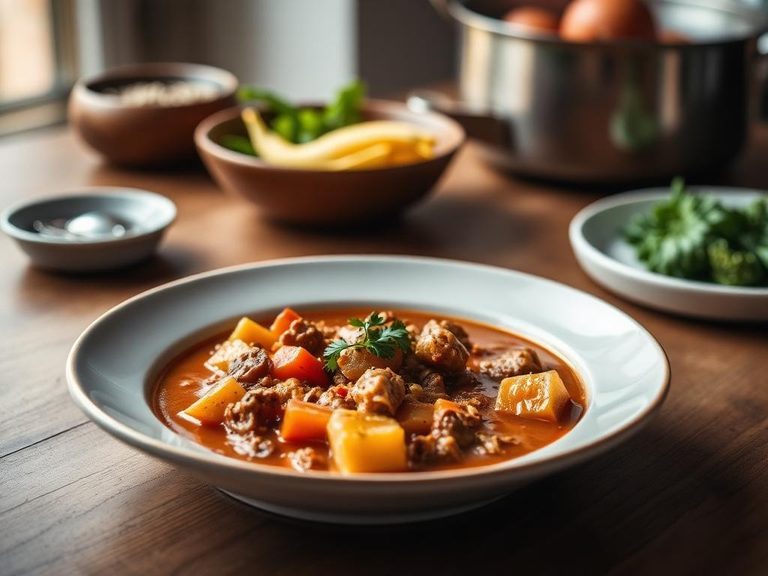
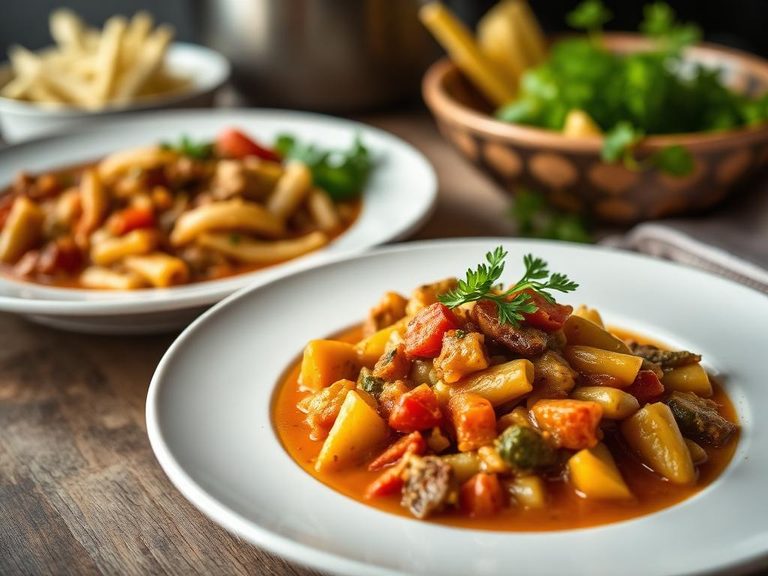
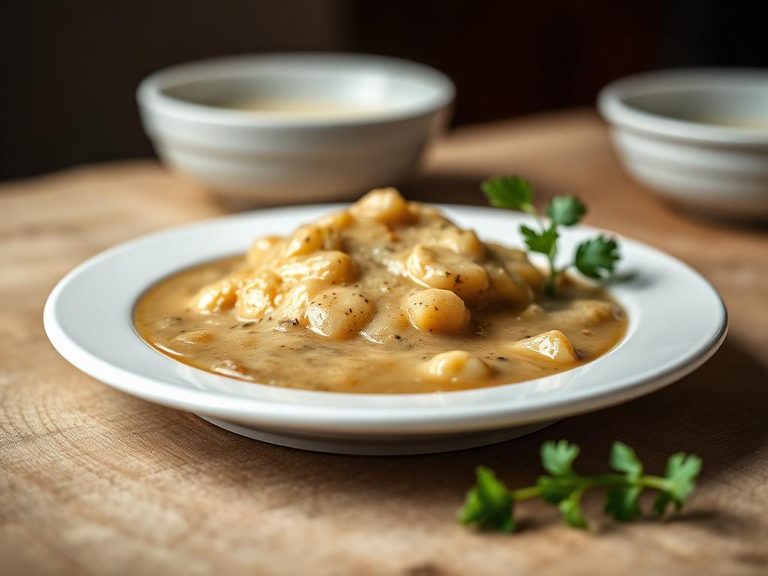
Added to soups and stews
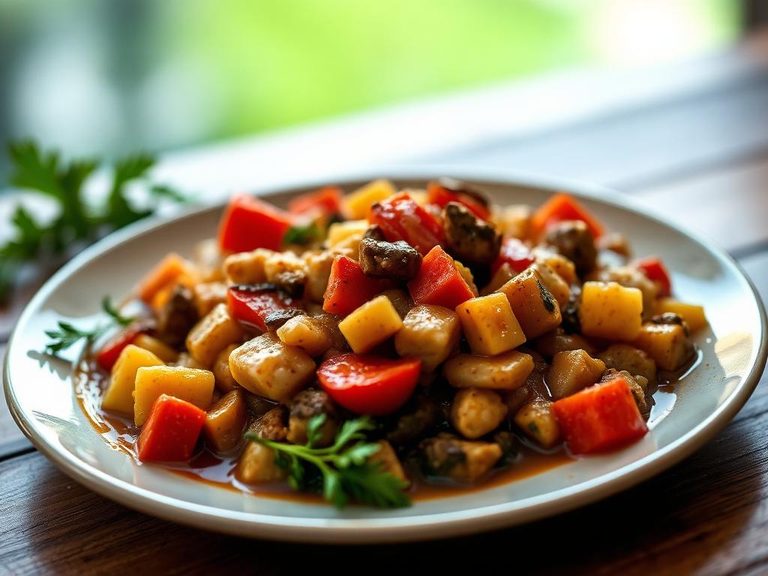
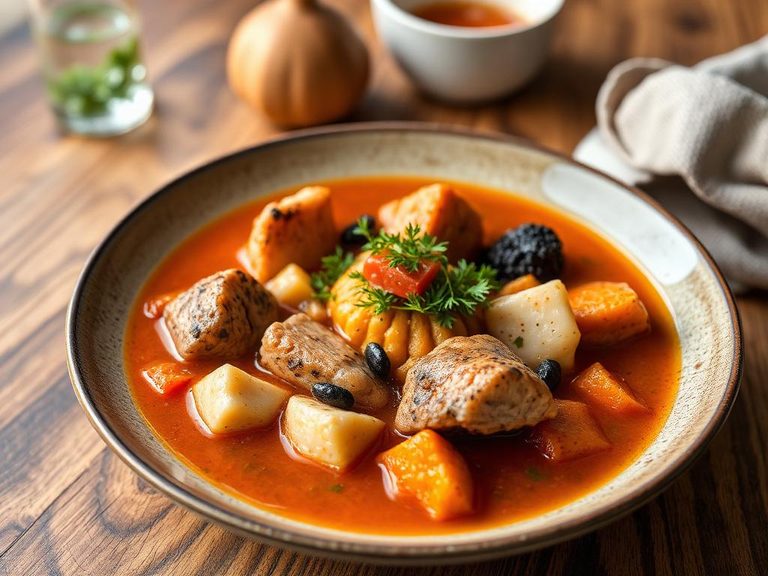
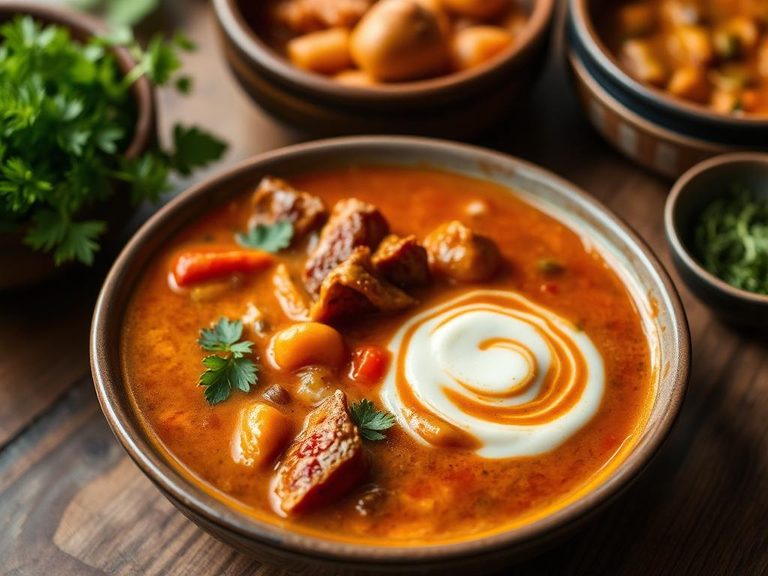
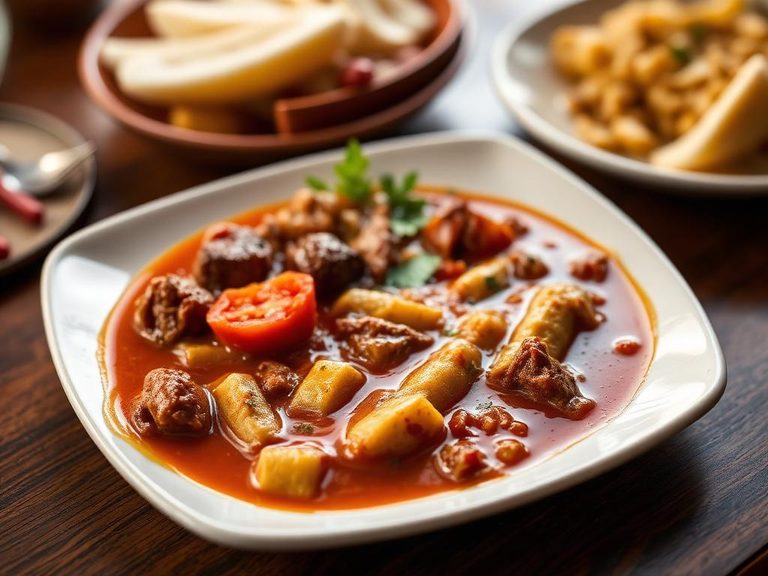
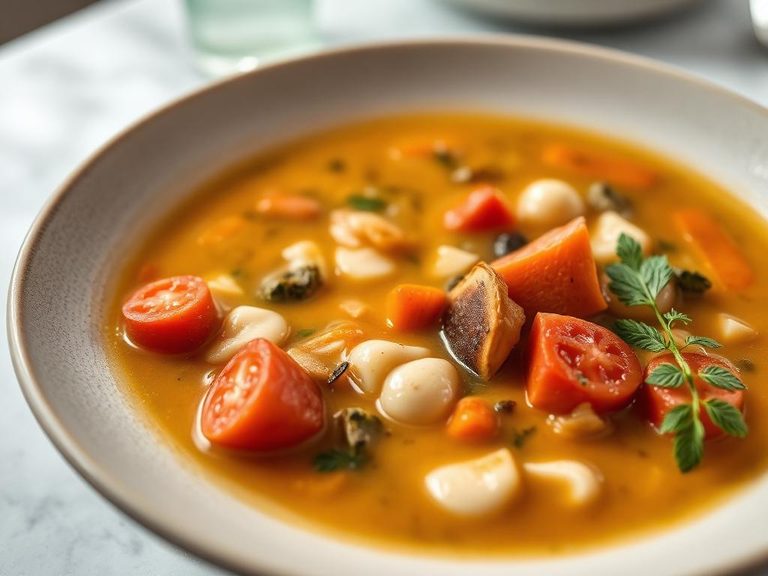
This is a broad category of ingredients and dishes designed to enhance the flavor, texture, and nutritional profile of soups and stews. Common additions include root vegetables like carrots and potatoes, legumes such as lentils and beans, and proteins like chicken or beef, all simmered in a broth. While not a single dish, it's a fundamental cooking technique found in virtually every global cuisine.
🍽️ Nutrition at a glance
The nutritional profile varies widely based on the specific ingredients, but soups and stews are often balanced, providing carbohydrates from vegetables and grains, protein from meats or legumes, and a range of vitamins and minerals. A typical hearty serving can range from 200 to 400 calories, making it a satisfying yet often moderate-calorie meal.
Nutrition breakdown
| Calories | 250 kcal |
| Protein | 15 g |
| Carbs | 30 g |
| Fat | 7 g |
| Fiber | 6 g |
| Sugar | 5 g |
| Sodium | 600 mg |
| Vitamin A | 120 mcg |
| Vitamin C | 15 mg |
| Potassium | 450 mg |
| Iron | 2.5 mg |
| Calcium | 50 mg |
| Vitamin B6 | 0.3 mg |
| Magnesium | 30 mg |
| Phosphorus | 150 mg |
Per 1 cup (240 g) · estimated, varies by recipe
💡 What's interesting
The practice of adding ingredients to a simmering liquid is one of the oldest and most universal cooking methods, allowing for efficient use of ingredients and the melding of complex flavors. Nutritionally, the slow-cooking process can help break down fibers and make certain nutrients more bioavailable.