Added to soups or stews in West African cuisine
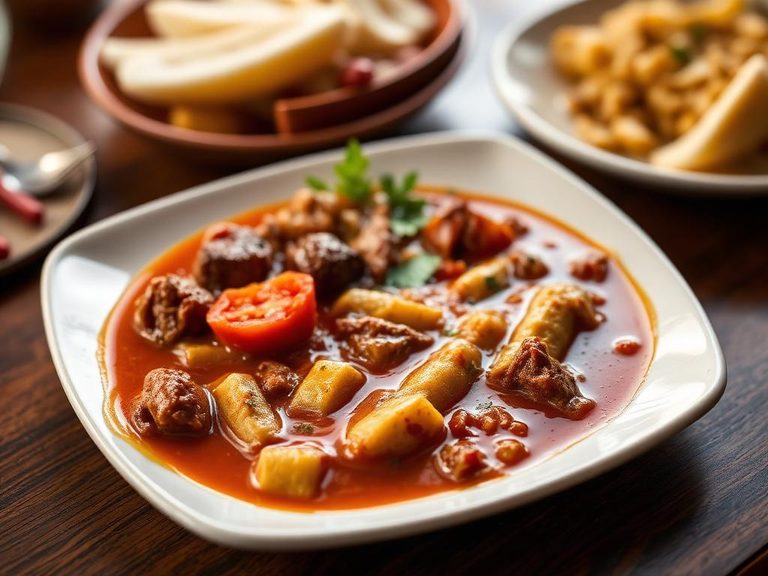
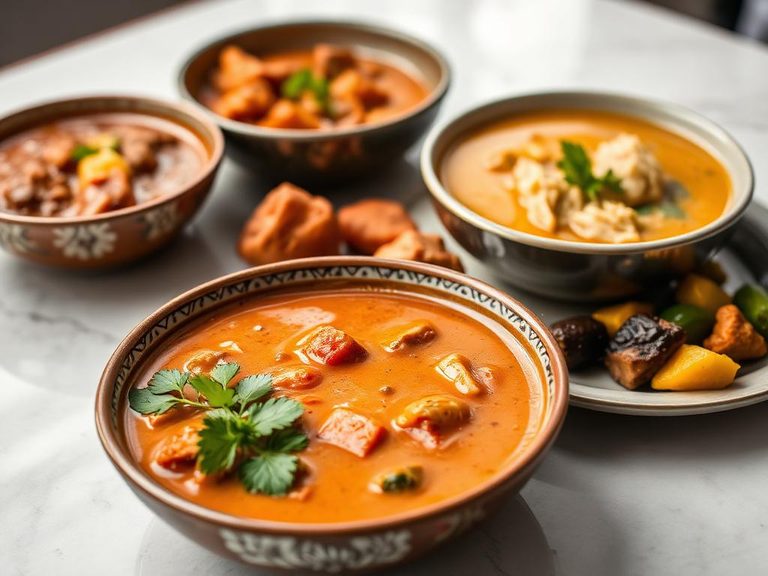
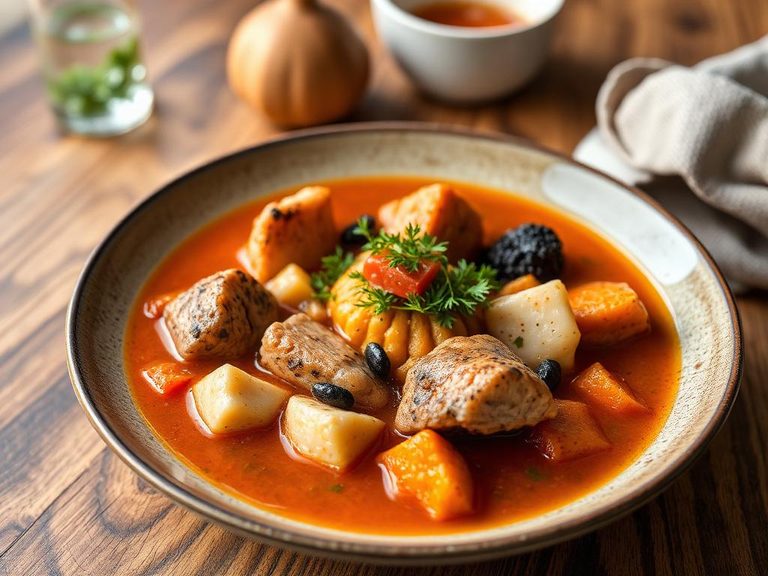
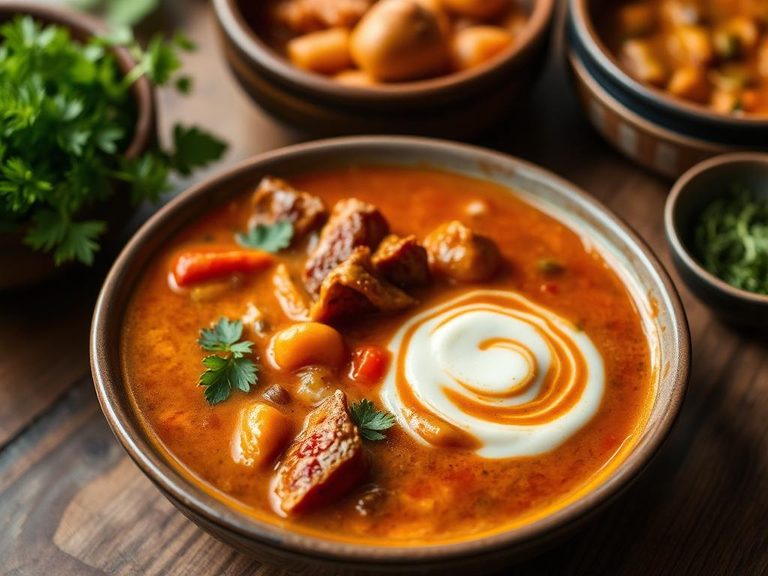
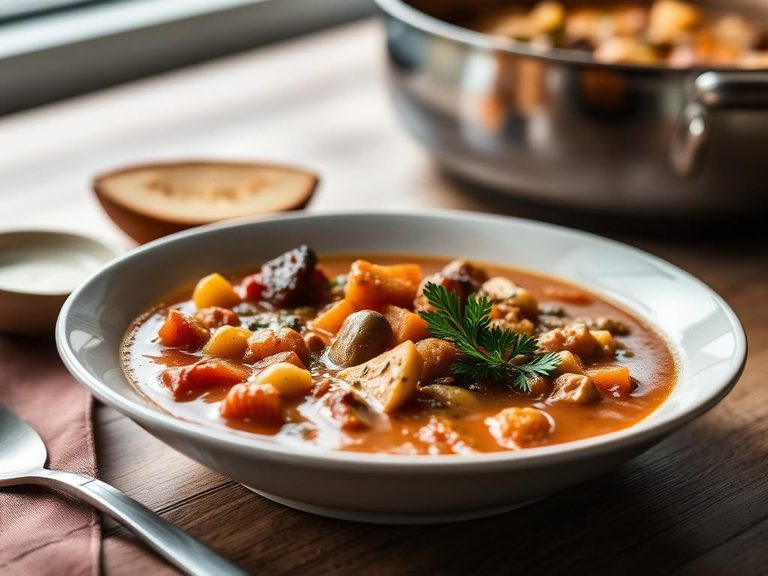
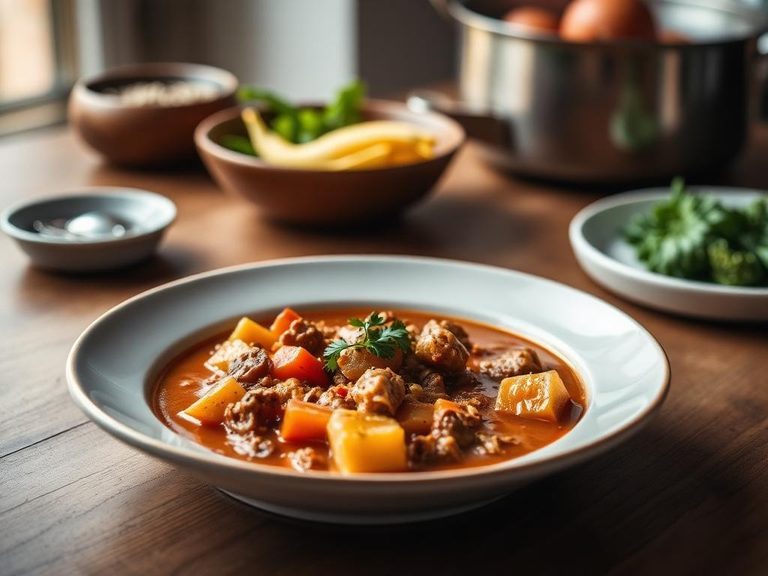
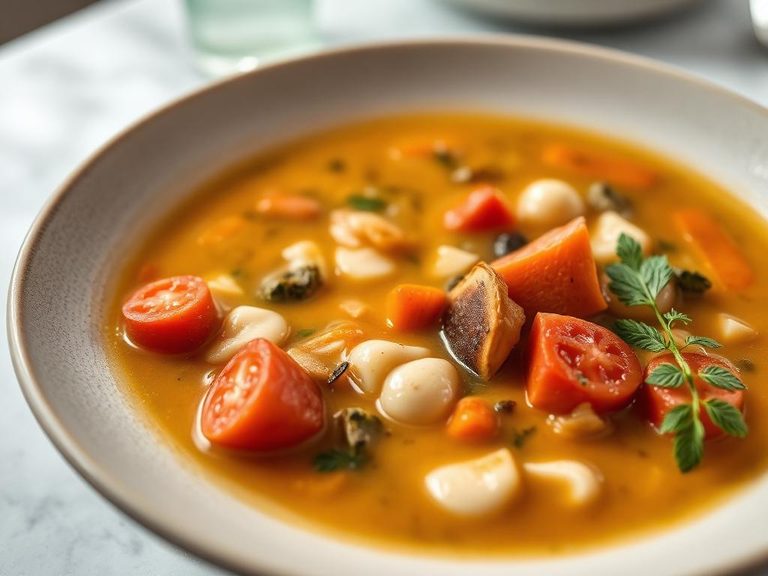
This refers to the common practice of adding leafy greens like cassava leaves (saka saka), bitter leaves, or spinach to West African soups and stews. These greens are typically simmered with a base of meat, fish, palm oil, and seasonings like locust beans or crayfish. The practice is widespread across countries like Nigeria, Ghana, and the Democratic Republic of Congo.
🍽️ Nutrition at a glance
These additions are generally low in calories but rich in essential nutrients. They are a significant source of dietary fiber, vitamins A and C, iron, and calcium, making them a nutritious way to enhance the volume and nutrient profile of a meal.
Nutrition breakdown
| Calories | 65 kcal |
| Protein | 3.5 g |
| Carbs | 8 g |
| Fat | 2.5 g |
| Fiber | 4 g |
| Sugar | 1.5 g |
| Sodium | 120 mg |
| Vitamin A | 350 mcg RAE |
| Vitamin C | 30 mg |
| Iron | 3.5 mg |
| Calcium | 120 mg |
| Potassium | 400 mg |
| Magnesium | 45 mg |
| Folate | 70 mcg |
| Manganese | 0.6 mg |
Per 1 cup (180 g) of cooked leafy greens (e.g., cassava or spinach) in stew · estimated, varies by recipe
💡 What's interesting
Culturally, these greens are a cornerstone of daily nutrition, providing vital micronutrients in regions where they are locally abundant. Nutritionally, cooking them with a fat source like palm oil helps the body absorb fat-soluble vitamins like Vitamin A.