In West African soups and stews
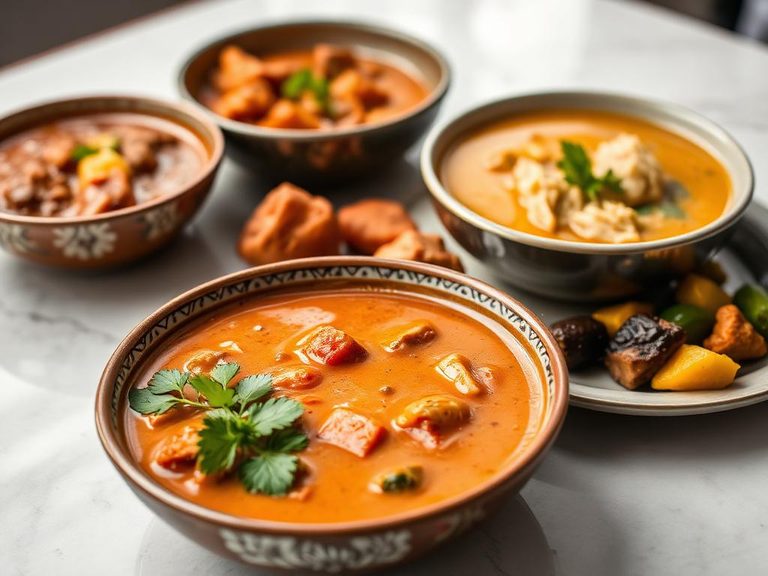
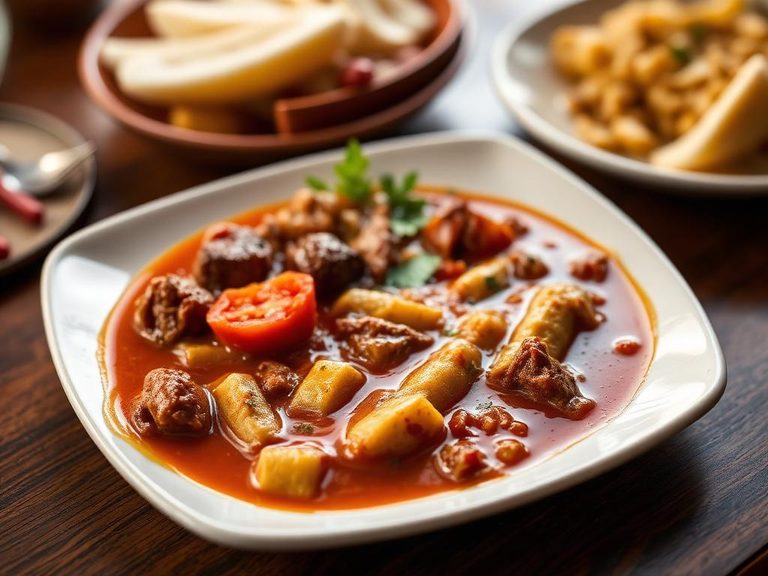
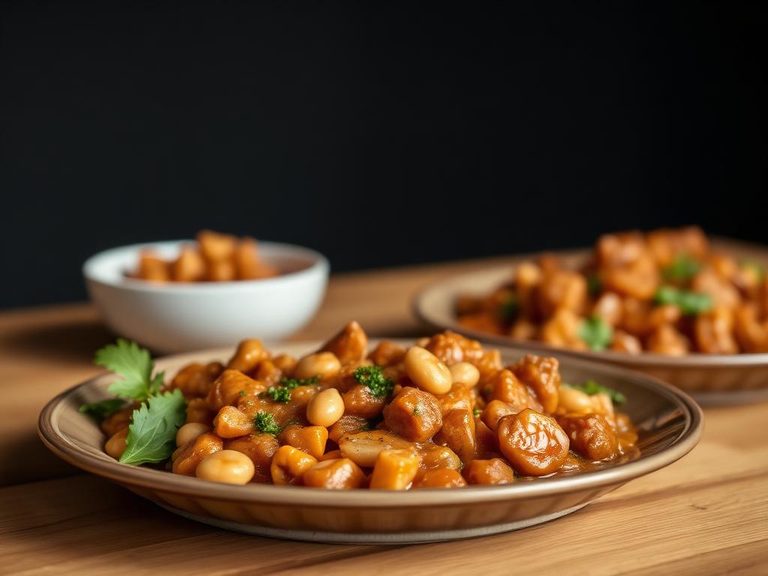
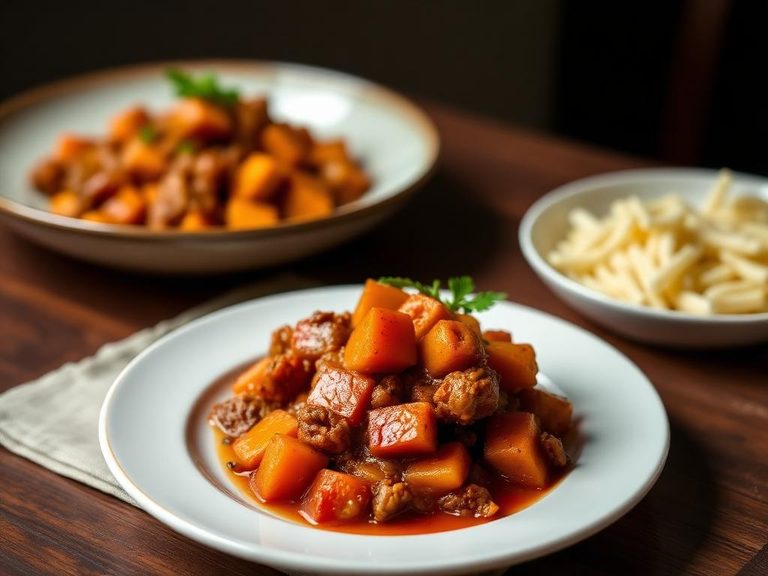
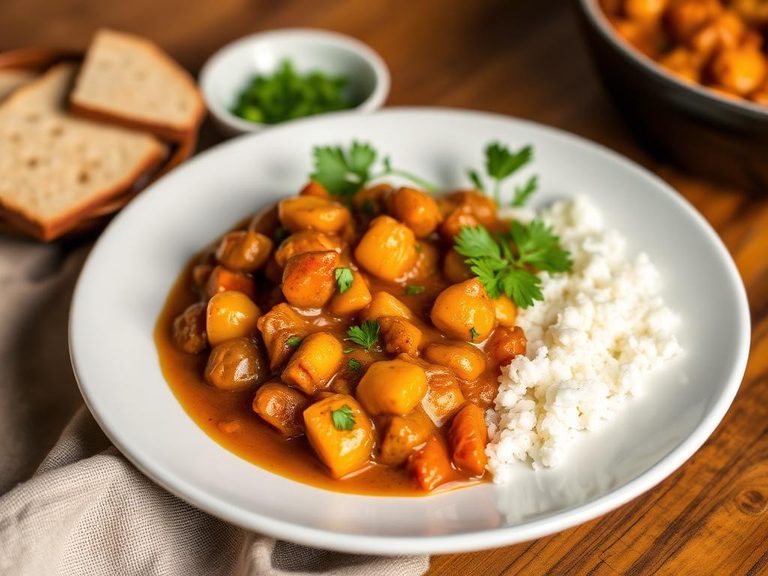
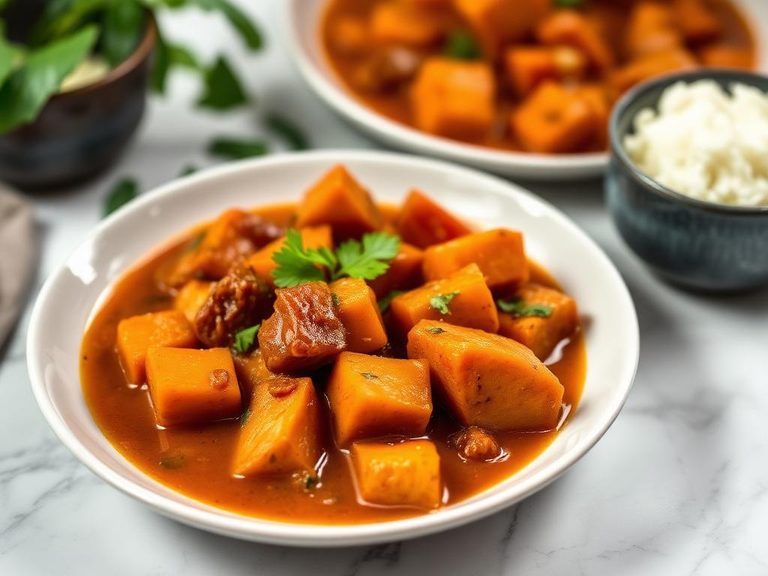
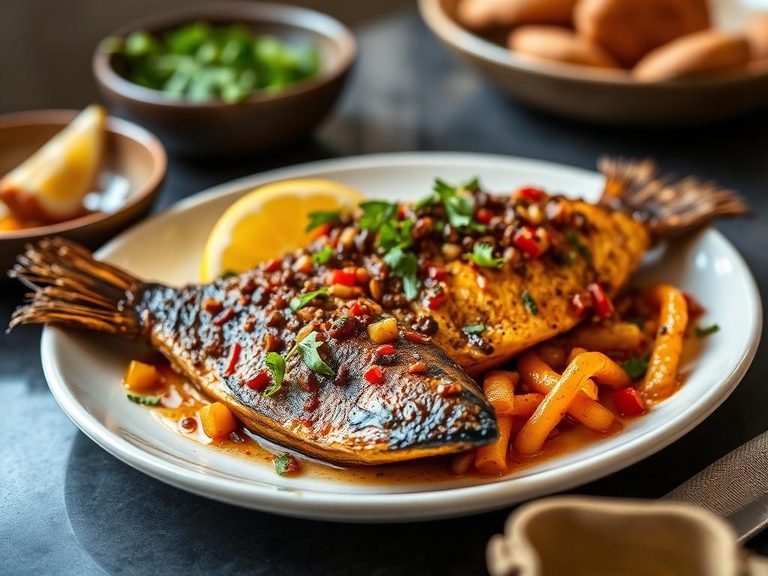
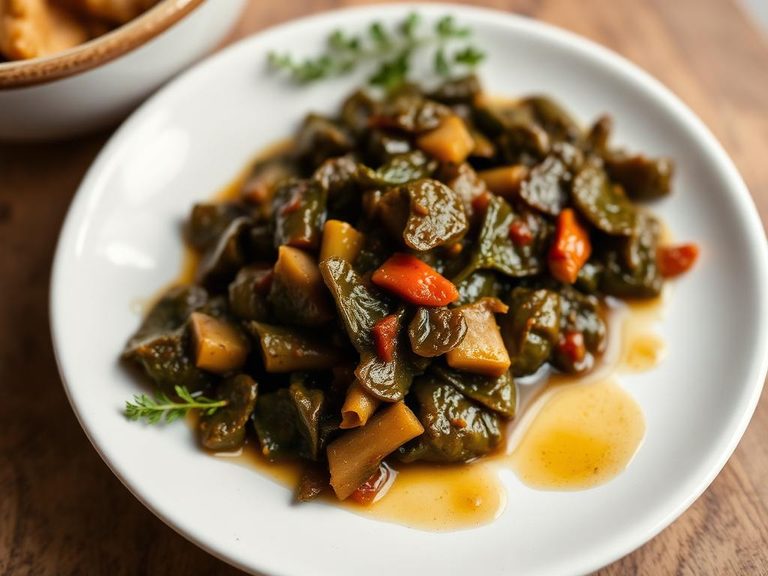
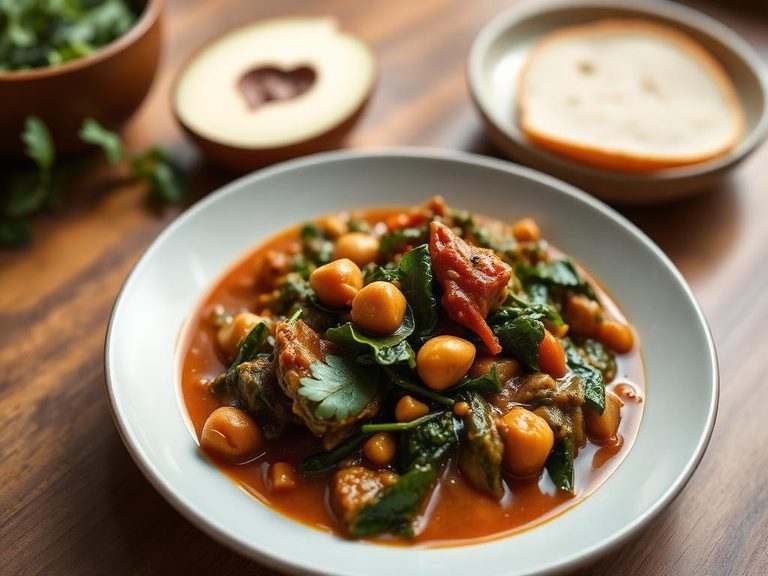
West African soups and stews are hearty, flavorful dishes that form the cornerstone of the region's cuisine. They are typically thick, rich concoctions built on a base of tomatoes, onions, and chili peppers, combined with proteins like beef, chicken, fish, or goat, and often enriched with leafy greens, legumes, or palm oil. These dishes are foundational to meals across countries like Nigeria, Ghana, Senegal, and Mali, served as the main sauce for starchy staples.
🍽️ Nutrition at a glance
These soups and stews are generally high in protein and healthy fats, especially when prepared with palm oil or peanuts, and provide a good source of fiber from vegetables and legumes. A typical serving can range from 300 to 500 calories, depending on the specific recipe and protein used.
Nutrition breakdown
| Calories | 420 kcal |
| Protein | 25 g |
| Carbs | 18 g |
| Fat | 28 g |
| Fiber | 6 g |
| Sugar | 5 g |
| Sodium | 680 mg |
| Vitamin A | 450 mcg |
| Vitamin C | 25 mg |
| Iron | 4.5 mg |
| Potassium | 650 mg |
| Magnesium | 55 mg |
| Vitamin B6 | 0.4 mg |
| Niacin (B3) | 6 mg |
| Zinc | 3.5 mg |
Per 1.5 cups (360 g) · estimated, varies by recipe
💡 What's interesting
Culturally, these dishes are deeply communal, often served in a large shared bowl with a starchy 'swallow' like fufu or banku, emphasizing togetherness. Nutritionally, the use of fermented locust beans (dawadawa) or locust bean paste adds a powerful umami flavor and is a natural source of B vitamins and protein.