

Oil, palm
Whole food · Fats and Oils
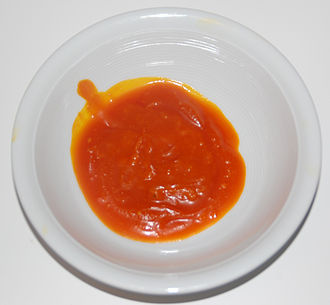
Photo: Wikipedia
Palm oil is a rich, edible vegetable oil extracted from the fruit of the oil palm tree. It has a distinctive reddish-orange hue, a smooth, viscous texture, and a mild, slightly sweet, earthy flavor when unrefined. Nutritionally, it is a dense source of energy, providing 884 kcal per 100g, and is notable for its high saturated fat content and presence of tocotrienols (a form of Vitamin E).
Calorie split: 0% protein · 0% carbs · 100% fat
↓ Full nutrition💚 Why it's loved
People love palm oil for its incredible versatility and functional properties. It acts as a natural preservative, gives processed foods a smooth texture and appealing golden color, and is a foundational cooking fat in many cuisines.
⚠️ Watch-outs & how to enjoy it better
The primary concern is its high saturated fat content, which can contribute to elevated cholesterol levels if consumed in excess. To counteract this, use it sparingly, balance it with unsaturated fats like olive or canola oil in your diet, and prioritize unrefined (red) palm oil for its higher nutrient content.
Key benefits
- High in tocotrienols, a potent form of Vitamin E with antioxidant properties.
- Contains beta-carotene, giving it a natural red color and a source of Vitamin A.
- Naturally trans-fat free and has a high smoke point, making it stable for high-heat cooking.
- A key source of palmitic acid, which is a common saturated fat in the human diet.
🍽️ Popular dishes
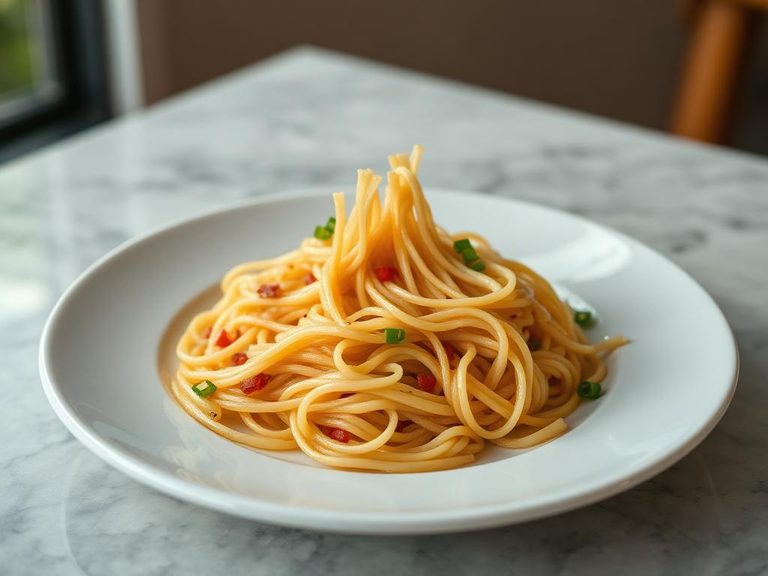
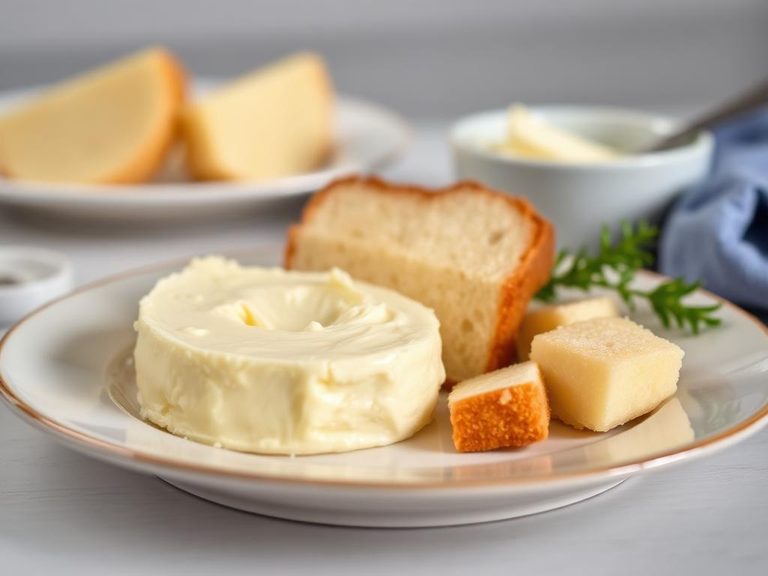
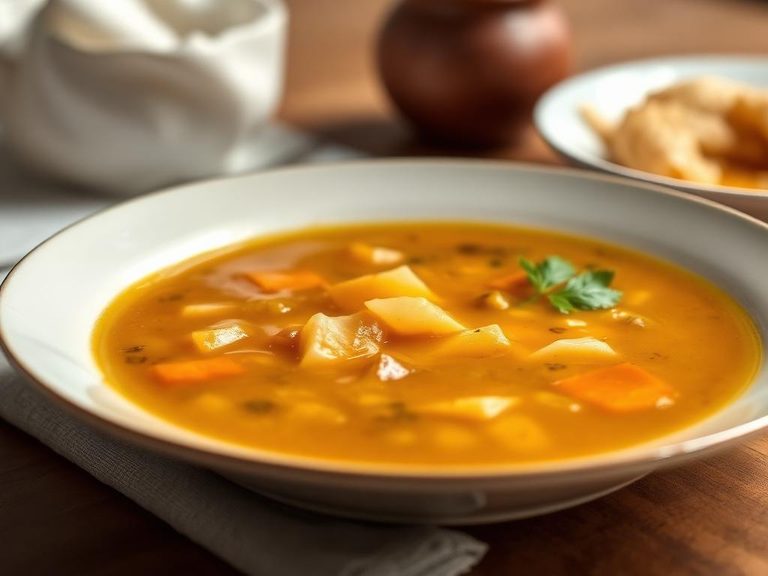
🌍 Where it's eaten
💡 Did you know?
Unrefined red palm oil is one of the richest natural sources of beta-carotene, giving it a color so intense it can temporarily dye cooking utensils and hands orange.
Full nutrition (USDA data · scales with serving)
| Water | 0.00 g |
| Energy | 884 kcal |
| Energy | 3699 kj |
| Protein | 0.00 g |
| Total lipid (fat) | 100 g |
| Ash | 0.00 g |
| Carbohydrate, by difference | 0.00 g |
| Fiber, total dietary | 0.00 g |
| Total Sugars | 0.00 g |
| Calcium, Ca | 0.00 mg |
| Iron, Fe | 0.01 mg |
| Magnesium, Mg | 0.00 mg |
| Phosphorus, P | 0.00 mg |
| Potassium, K | 0.00 mg |
| Sodium, Na | 0.00 mg |
| Zinc, Zn | 0.00 mg |
| Copper, Cu | 0.00 mg |
| Selenium, Se | 0.00 ug |
| Vitamin C, total ascorbic acid | 0.00 mg |
| Thiamin | 0.00 mg |
| Riboflavin | 0.00 mg |
| Niacin | 0.00 mg |
| Pantothenic acid | 0.00 mg |
| Vitamin B-6 | 0.00 mg |
| Folate, total | 0.00 ug |
| Folic acid | 0.00 ug |
| Folate, food | 0.00 ug |
| Folate, DFE | 0.00 ug |
| Choline, total | 0.30 mg |
| Vitamin B-12 | 0.00 ug |
| Vitamin B-12, added | 0.00 ug |
| Vitamin A, RAE | 0.00 ug |
| Retinol | 0.00 ug |
| Carotene, beta | 0.00 ug |
| Carotene, alpha | 0.00 ug |
| Cryptoxanthin, beta | 0.00 ug |
| Vitamin A, IU | 0.00 iu |
| Lycopene | 0.00 ug |
| Lutein + zeaxanthin | 0.00 ug |
| Vitamin E (alpha-tocopherol) | 15.9 mg |
| Vitamin E, added | 0.00 mg |
| Tocopherol, beta | 0.00 mg |
| Tocopherol, gamma | 0.00 mg |
| Tocopherol, delta | 0.00 mg |
| Vitamin K (phylloquinone) | 8.0 ug |
| Alcohol, ethyl | 0.00 g |
| Caffeine | 0.00 mg |
| Theobromine | 0.00 mg |
Fat & fatty acid profile (per 100g)
| Fatty acids, total saturated | 49.3 g |
| SFA 4:0 | 0.00 g |
| SFA 6:0 | 0.00 g |
| SFA 8:0 | 0.00 g |
| SFA 10:0 | 0.00 g |
| SFA 12:0 | 0.10 g |
| SFA 14:0 | 1.0 g |
| SFA 16:0 | 43.5 g |
| SFA 18:0 | 4.3 g |
| Fatty acids, total monounsaturated | 37.0 g |
| MUFA 16:1 | 0.30 g |
| MUFA 18:1 | 36.6 g |
| MUFA 20:1 | 0.10 g |
| MUFA 22:1 | 0.00 g |
| Fatty acids, total polyunsaturated | 9.3 g |
| PUFA 18:2 | 9.1 g |
| PUFA 18:3 | 0.20 g |
| PUFA 18:4 | 0.00 g |
| PUFA 20:4 | 0.00 g |
| PUFA 20:5 n-3 (EPA) | 0.00 g |
| PUFA 22:5 n-3 (DPA) | 0.00 g |
| PUFA 22:6 n-3 (DHA) | 0.00 g |
| Cholesterol | 0.00 mg |
Amino acid profile (per 100g)
| Tryptophan | 0.00 g |
| Threonine | 0.00 g |
| Isoleucine | 0.00 g |
| Leucine | 0.00 g |
| Lysine | 0.00 g |
| Methionine | 0.00 g |
| Cystine | 0.00 g |
| Phenylalanine | 0.00 g |
| Tyrosine | 0.00 g |
| Valine | 0.00 g |
| Arginine | 0.00 g |
| Histidine | 0.00 g |
| Alanine | 0.00 g |
| Aspartic acid | 0.00 g |
| Glutamic acid | 0.00 g |
| Glycine | 0.00 g |
| Proline | 0.00 g |
| Serine | 0.00 g |
FAQ
What is the difference between red and white palm oil?
Red palm oil is unrefined and retains its natural color, beta-carotene, and tocotrienols. White palm oil (or palm olein) is refined, bleached, and deodorized, making it pale yellow and stripping most of its micronutrients, but giving it a more neutral flavor and longer shelf life.
Is palm oil vegan?
Yes, palm oil is a plant-based oil derived from the fruit of oil palms and contains no animal products.
Why is palm oil so common in processed foods?
It is highly functional: it is semi-solid at room temperature (improving texture), has a high smoke point (good for frying), is resistant to oxidation (extending shelf life), and is relatively inexpensive to produce.
Nutrient density (calculated · NRF9.3)
Nutrient Rich Foods index: beneficial nutrients (protein, fiber, vitamins, minerals) minus saturated fat, added sugar & sodium, per 100 kcal.
NRF9.3 index — Fulgoni, Keast & Drewnowski, 2009. Computed from USDA nutrients.
Weight-loss friendliness (composite index)
Energy density 8.84 kcal/g · 0% calories from protein · 0.0 g fiber · 0.0 g sugar per 100 g.
Composite of energy density (Rolls et al., 1999), protein & fiber satiety, minus sugar. A calculated heuristic — ranks satiety-per-calorie, not a clinical measure.
Dietary load (calculated from USDA values)
Potential renal acid load. Positive = acid-forming, negative = alkaline-forming.
Sodium:potassium per WHO potassium guidance. Computed from USDA nutrients.