

Margarine and shortening
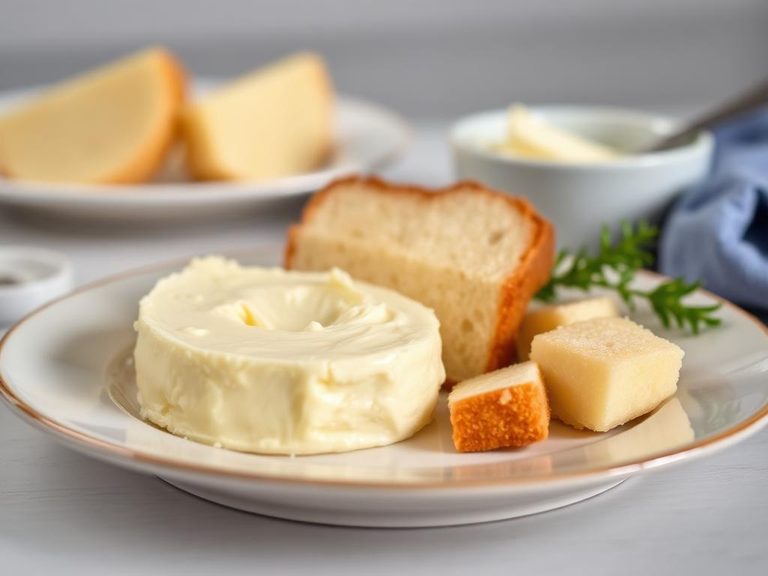
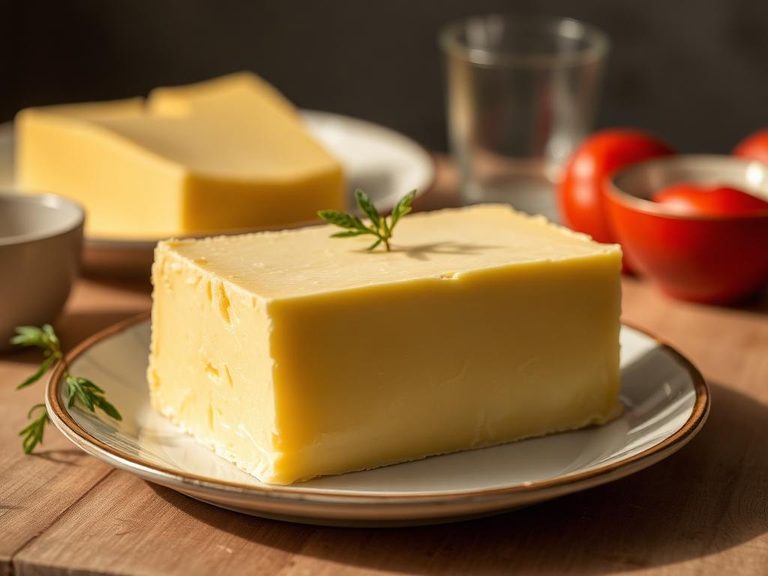
Margarine and shortening are not a single dish, but two distinct types of solid fats used as ingredients in cooking and baking. Both are typically made from vegetable oils, with margarine often being a spreadable butter substitute and shortening a more solid fat used to create flaky textures in pastries. They are staples in kitchens worldwide, particularly in Western baking traditions.
🍳 View the full Margarine and shortening recipe →
🍽️ Nutrition at a glance
These fats are extremely high in fat content, with negligible carbohydrates or protein. A single tablespoon serving contains roughly 100-120 calories, almost entirely from fat, and can be a significant source of saturated or trans fats depending on the product's formulation.
Nutrition breakdown
| Calories | 100 kcal |
| Protein | 0 g |
| Carbs | 0 g |
| Fat | 11 g |
| Fiber | 0 g |
| Sugar | 0 g |
| Sodium | 120 mg |
| Vitamin A | 100 IU |
| Vitamin D | 0 IU |
| Vitamin E | 0.5 mg |
| Vitamin K | 10 mcg |
| Calcium | 0 mg |
| Iron | 0 mg |
| Potassium | 5 mg |
| Phosphorus | 0 mg |
Per 1 tablespoon (14 g) · estimated, varies by recipe
💡 What's interesting
Culturally, the invention of margarine in the 19th century was a direct response to butter shortages and cost, sparking long-standing culinary debates. Nutritionally, the shift from traditional shortening (which often contained trans fats) to newer formulations is a key example of how food science evolves in response to health concerns.
🍽️ Related dishes

AI estimate may be inaccurate · Terms