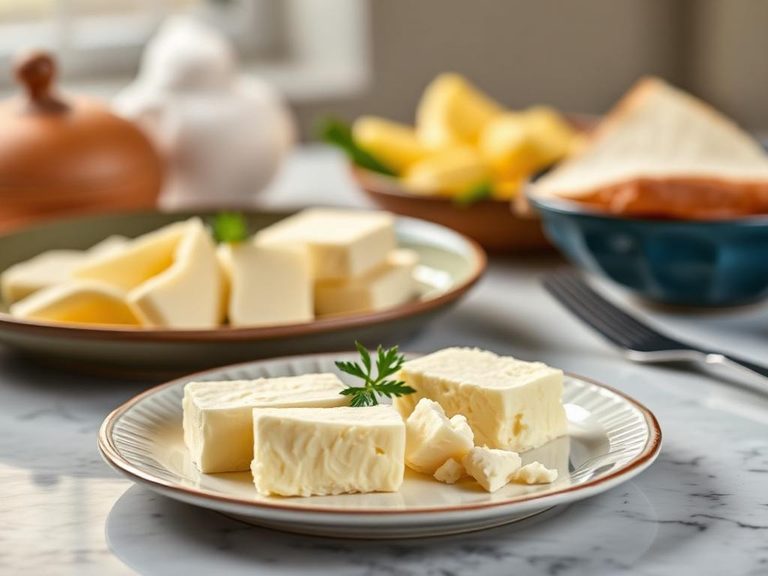
Ingredient in margarine and shortening
This isn't a standalone dish but refers to the primary ingredient used to make margarine and shortening: vegetable oil. The most common sources are soybean, canola, palm, or sunflower oil, which are processed and sometimes hydrogenated to become solid or semi-solid fats. It's a globally produced and consumed product, with major production centers in the Americas, Southeast Asia, and Europe.
🍽️ Nutrition at a glance
This ingredient is almost 100% fat, providing a dense source of calories with no carbohydrates or protein. It is primarily a source of energy and, depending on the oil, can provide essential fatty acids and small amounts of fat-soluble vitamins.
Nutrition breakdown
| Calories | 120 kcal |
| Protein | 0 g |
| Carbs | 0 g |
| Fat | 14 g |
| Fiber | 0 g |
| Sugar | 0 g |
| Sodium | 0 mg |
| Vitamin E | 1.5 mg |
| Vitamin K | 5 µg |
| Saturated Fat | 2 g |
| Monounsaturated Fat | 3 g |
| Polyunsaturated Fat | 8 g |
Per 1 tablespoon (14 g) · estimated, varies by recipe
💡 What's interesting
The transformation of liquid vegetable oil into a solid fat through hydrogenation was a major 20th-century food technology innovation, though it later sparked health debates over trans fats. Nutritionally, it's a blank canvas—its health profile is entirely determined by the type of oil used and the processing method.