Some margarines and shortenings
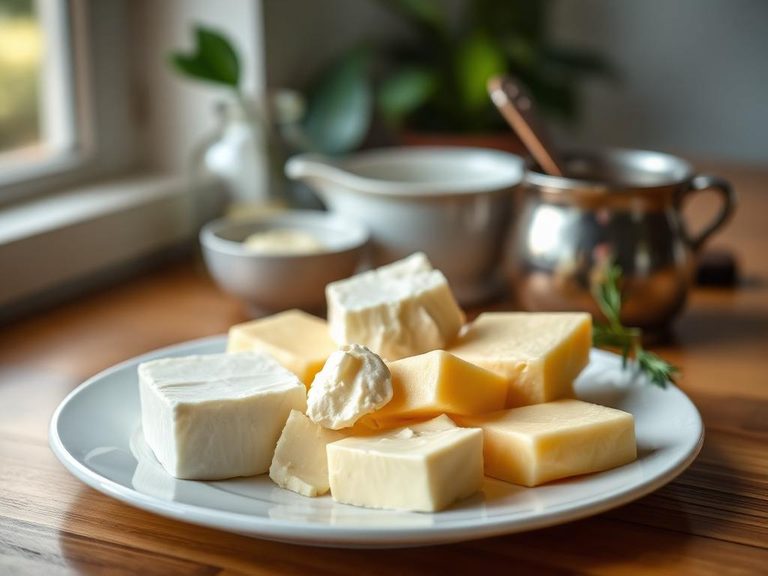
Margarines and shortenings are processed, plant-based fat products designed as alternatives to butter and lard in cooking and baking. They are typically made from refined vegetable oils like soybean, canola, or palm oil, which are hydrogenated or blended to achieve a solid, spreadable consistency. Originating in the 19th century as a cheaper butter substitute, they are now global pantry staples.
🍽️ Nutrition at a glance
These products are almost entirely fat, providing a high-calorie energy source with negligible carbohydrates, protein, or fiber. A single tablespoon serving delivers about 100-120 calories, primarily from unsaturated fats, but can also contain small amounts of saturated fat and sodium.
Nutrition breakdown
| Calories | 110 kcal |
| Protein | 0 g |
| Carbs | 0 g |
| Fat | 12 g |
| Fiber | 0 g |
| Sugar | 0 g |
| Sodium | 80 mg |
| Vitamin A | 115 IU (often fortified) |
| Vitamin D | 0-40 IU (often fortified) |
| Vitamin E | 1.5 mg |
| Vitamin K | 10 mcg |
| Saturated Fat | 3 g |
| Monounsaturated Fat | 5 g |
| Polyunsaturated Fat | 3.5 g |
| Trans Fat | 0-0.5 g |
Per 1 tablespoon (14 g) · estimated, varies by recipe
💡 What's interesting
Culturally, margarine was once so controversial that its imitation of butter led to strict 'margarine laws' in some regions, requiring it to be sold uncolored or dyed pink. Nutritionally, while they offer a source of essential fatty acids, many contain trans fats from partial hydrogenation, which are linked to health concerns, leading to a shift toward trans-fat-free formulations.