Ingredient in margarine and vegetable shortening
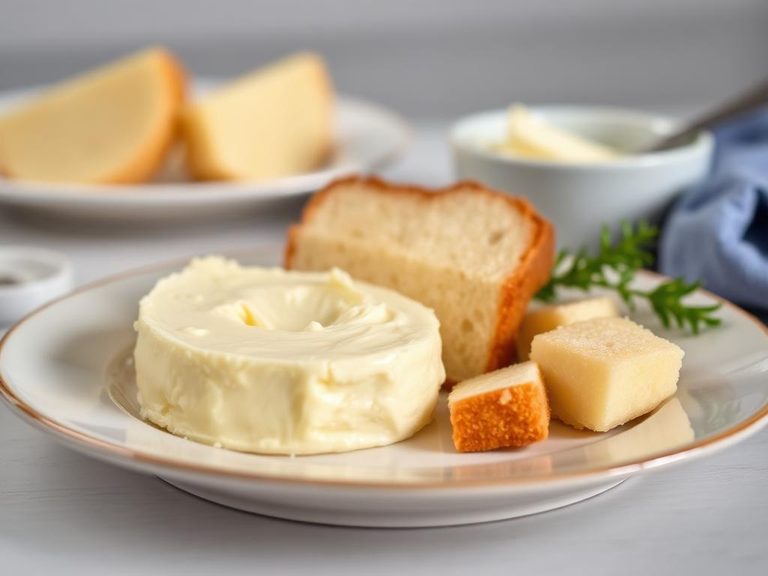
Margarine and vegetable shortening are not dishes but processed fat products used as ingredients in cooking and baking. They are typically made from refined vegetable oils (like soybean, palm, or canola) that have been hydrogenated or interesterified to become solid at room temperature, often with added emulsifiers, color, and flavorings. These products originated in the late 19th century as cheaper, plant-based alternatives to animal fats like butter and lard.
🍽️ Nutrition at a glance
These products are almost 100% fat, containing no carbohydrates, protein, or fiber. A single serving provides a significant amount of calories from fat, primarily saturated and/or trans fats depending on the type, with minimal to no essential vitamins or minerals unless fortified.
Nutrition breakdown
| Calories | 100 kcal |
| Protein | 0 g |
| Carbs | 0 g |
| Fat | 11 g |
| Fiber | 0 g |
| Sugar | 0 g |
| Sodium | 90 mg |
| Vitamin A | 115 IU |
| Vitamin D | 0 IU |
| Vitamin E | 0.1 mg |
| Saturated Fat | 3 g |
| Monounsaturated Fat | 3 g |
| Polyunsaturated Fat | 5 g |
| Trans Fat | 0 g |
| Cholesterol | 0 mg |
Per 1 tablespoon (14 g) · estimated, varies by recipe
💡 What's interesting
Historically, margarine was invented as a 'poor man's butter' and its production sparked intense lobbying battles with the dairy industry. Nutritionally, the shift from traditional margarine (high in trans fats) to modern spreads with zero trans fats is a major public health story of the last few decades.