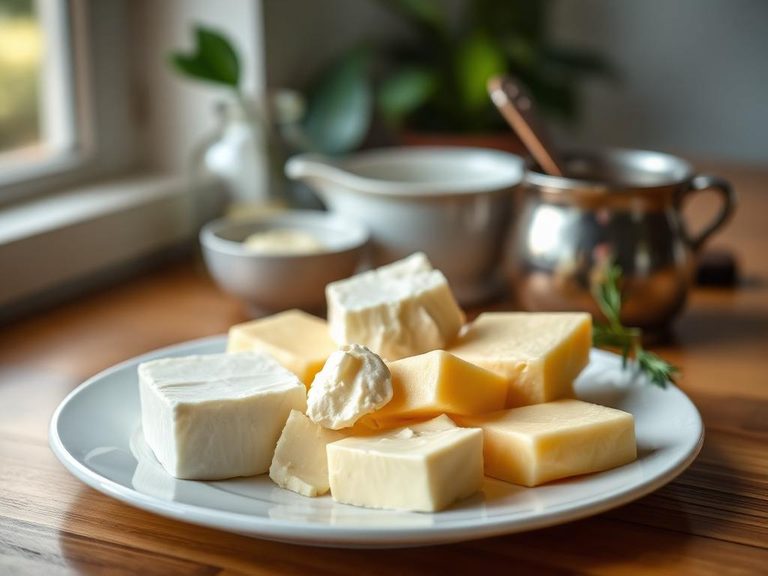
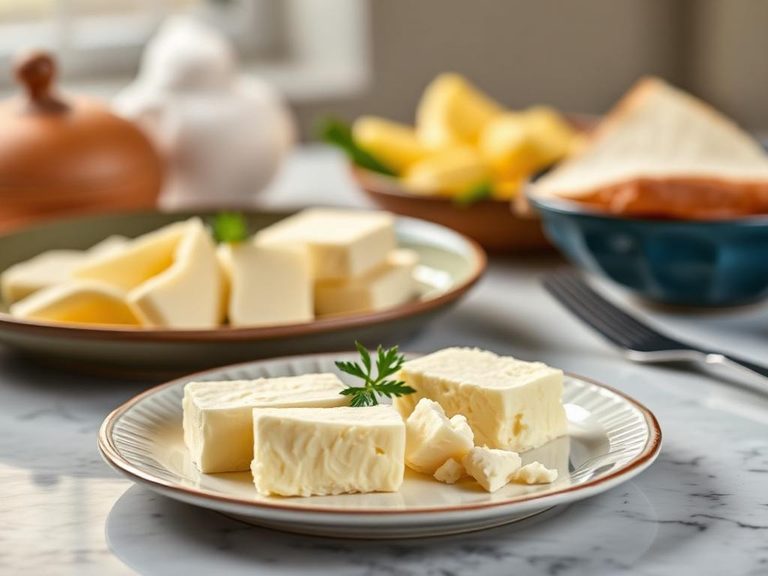
Vegetable Shortening
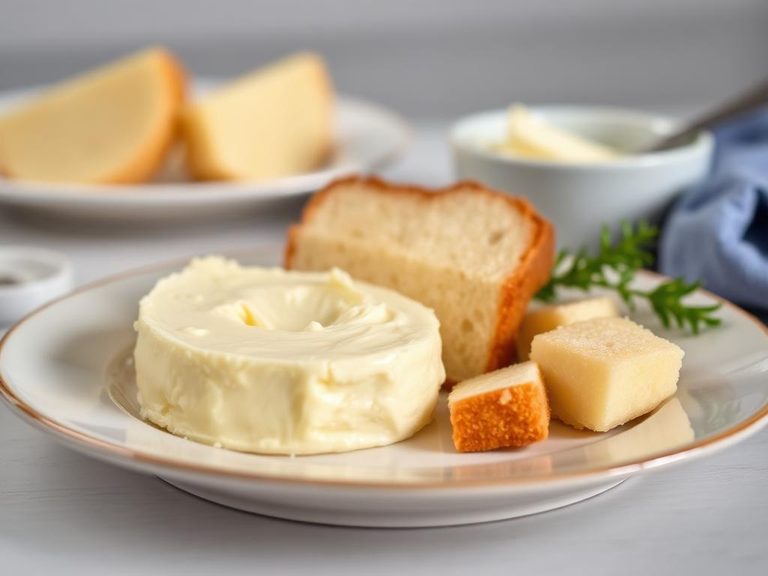
Vegetable shortening is a solid, shelf-stable fat made from hydrogenated vegetable oils, commonly used in baking to create flaky pastries and tender baked goods. It is a neutral-flavored, all-purpose fat that originated in the early 20th century as a lard substitute, particularly in the United States. Its primary role is to add texture and richness to recipes like pie crusts, biscuits, and cookies.
🍽️ Nutrition at a glance
Vegetable shortening is 100% fat, containing zero carbohydrates, protein, or fiber. A typical serving provides a high concentration of calories, primarily from fat, and is often fortified with small amounts of vitamin E.
Nutrition breakdown
| Calories | 120 kcal |
| Protein | 0 g |
| Carbs | 0 g |
| Fat | 14 g |
| Fiber | 0 g |
| Sugar | 0 g |
| Sodium | 0 mg |
| Vitamin E | 1.1 mg |
Per 1 tablespoon (14 g) · estimated, varies by recipe
💡 What's interesting
Culturally, shortening revolutionized home baking by providing a consistent, vegetarian alternative to animal fats. Nutritionally, it is notable for being a source of trans fats if made with partially hydrogenated oils, though many modern versions are formulated to be trans-fat-free.