Margarine and vegetable shortening
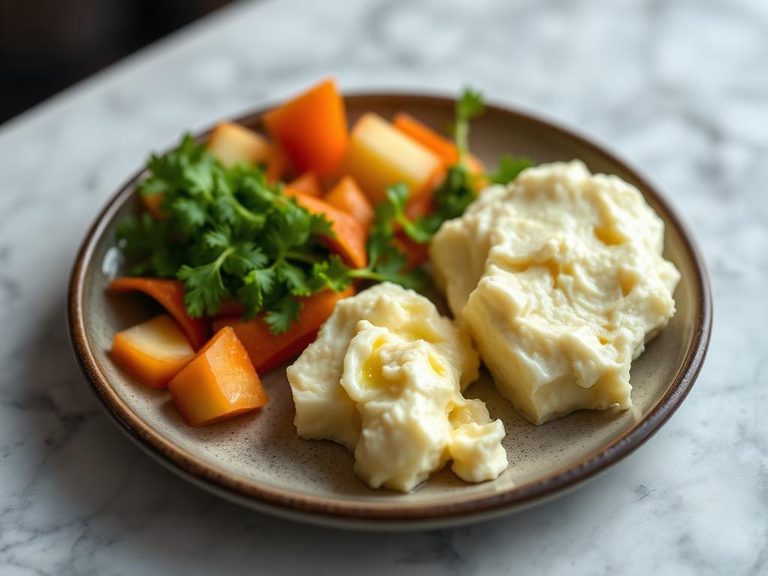
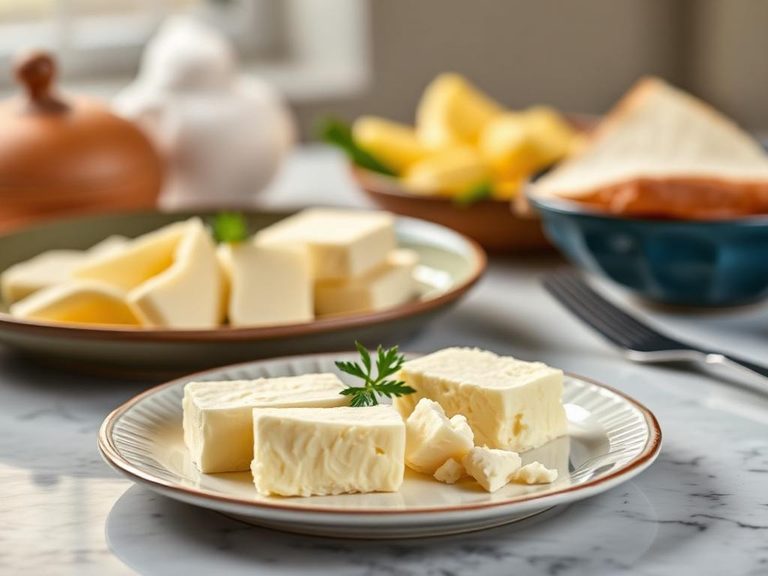
Margarine and vegetable shortening are not a single dish, but rather two distinct, shelf-stable fat products used as ingredients in cooking and baking. Both are plant-based, solid-at-room-temperature fats originally developed as alternatives to animal fats like butter and lard. They are foundational in Western, particularly American, baking and processed food production.
🍽️ Nutrition at a glance
These are almost 100% fat, providing about 100-120 calories per tablespoon, with negligible carbohydrates or protein. Their nutritional profile depends on the type, with some being high in unsaturated fats and others containing saturated fats or trans fats, though trans fats have been largely phased out.
Nutrition breakdown
| Calories | 100 kcal |
| Protein | 0 g |
| Carbs | 0 g |
| Fat | 11 g |
| Fiber | 0 g |
| Sugar | 0 g |
| Sodium | 0 mg |
| Vitamin A | 0 µg |
| Vitamin D | 0 µg |
| Vitamin E | 0 mg |
| Vitamin K | 0 µg |
| Calcium | 0 mg |
| Iron | 0 mg |
| Magnesium | 0 mg |
| Phosphorus | 0 mg |
Per 1 tablespoon (14 g) · estimated, varies by recipe
💡 What's interesting
Historically, margarine and shortening were revolutionary as affordable, consistent, and shelf-stable alternatives to butter and lard, democratizing baking and enabling the mass production of flaky pastries and tender cakes. Their development is a key story in 20th-century food science, reflecting shifts in agriculture, economics, and dietary trends.