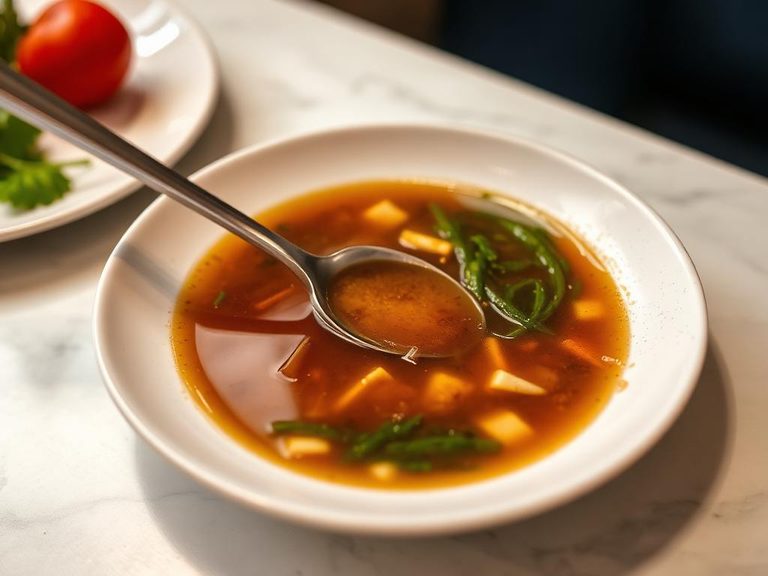
Rehydrated in soups and broths
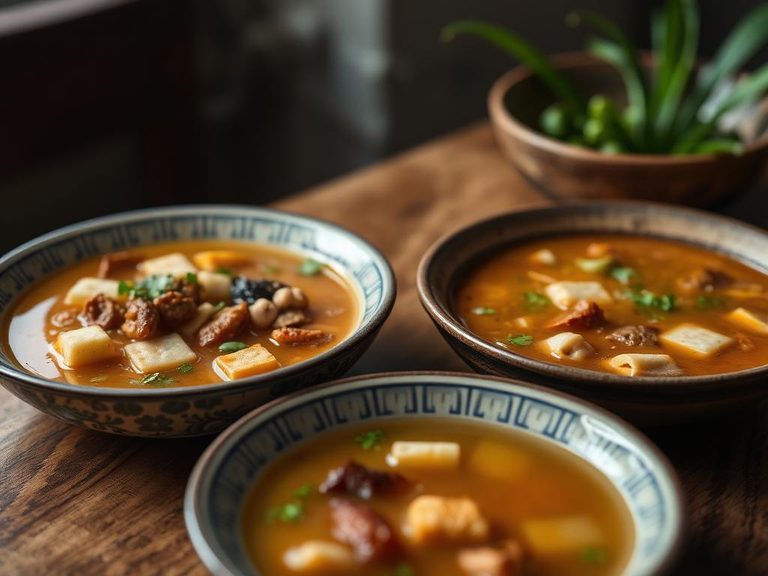
Rehydrated in soups and broths refers to dried ingredients like mushrooms, seaweed, or noodles that are softened and cooked by absorbing flavorful liquids. This technique is fundamental in cuisines worldwide, from Japanese dashi with kombu to Chinese hot and sour soup with dried lily buds. It transforms shelf-stable ingredients into tender, flavorful components that enrich the broth itself.
🍽️ Nutrition at a glance
The nutritional profile varies widely based on the specific ingredient, but these dishes are generally low in fat and provide moderate carbohydrates, especially if noodles or starchy items are included. They are often good sources of minerals like potassium and sodium, with a typical serving ranging from 50 to 200 calories, depending on the broth and primary ingredients.
Nutrition breakdown
| Calories | 120 kcal |
| Protein | 5 g |
| Carbs | 18 g |
| Fat | 2 g |
| Fiber | 3 g |
| Sugar | 2 g |
| Sodium | 850 mg |
| Potassium | 350 mg |
| Selenium | 12 mcg |
| Niacin (B3) | 3 mg |
| Copper | 0.3 mg |
| Phosphorus | 80 mg |
| Manganese | 0.5 mg |
| Vitamin D | 1 mcg |
| Riboflavin (B2) | 0.2 mg |
Per 1 cup (240 g) of a typical mushroom and noodle broth · estimated, varies by recipe
💡 What's interesting
This method is a cornerstone of umami development, as rehydrating ingredients like dried shiitake mushrooms or kombu seaweed releases glutamates that create deep, savory flavors. Nutritionally, the process can make certain nutrients more bioavailable while the broth itself becomes a vehicle for hydration and electrolytes.