

Making soups and broths
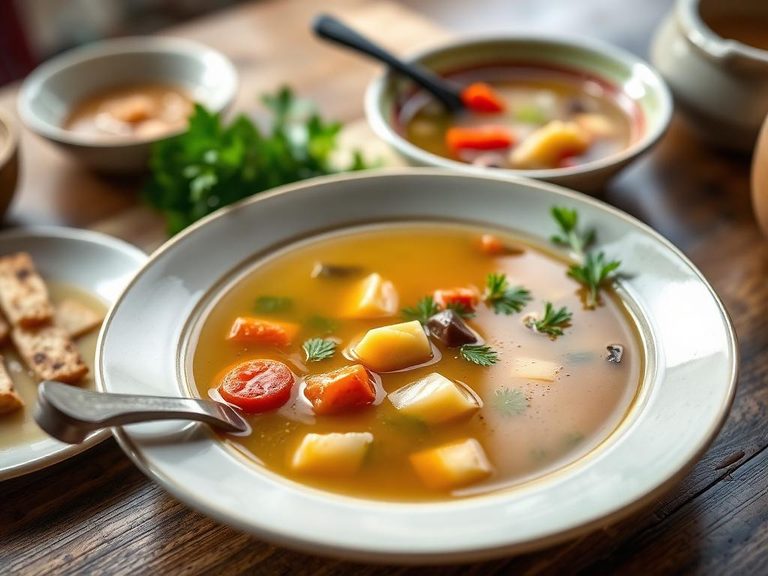
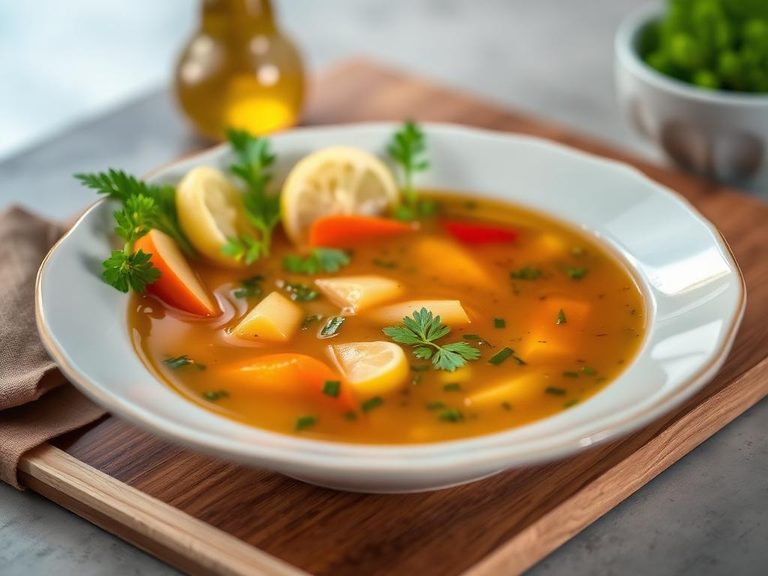
Soups and broths are versatile liquid-based dishes made by simmering ingredients like vegetables, meats, bones, herbs, and spices in water or stock. They are foundational in cuisines worldwide, from clear broths in Asian cuisine to hearty stews in European traditions, serving as both standalone meals and bases for other dishes.
🍳 View the full Making soups and broths recipe →
🍽️ Nutrition at a glance
Soups and broths vary widely in nutrition: broth-based versions are typically low in calories (around 50-150 per serving) and fat, while creamy or meat-heavy soups can be higher in calories and fat. They often provide hydration, electrolytes, and nutrients like vitamins, minerals, and protein depending on the ingredients used.
Nutrition breakdown
| Calories | 15 kcal |
| Protein | 1 g |
| Carbs | 2 g |
| Fat | 0.5 g |
| Fiber | 0.5 g |
| Sugar | 1 g |
| Sodium | 480 mg |
| Potassium | 150 mg |
| Sodium | 480 mg |
| Vitamin A | 10 µg |
| Vitamin C | 2 mg |
| Calcium | 10 mg |
| Iron | 0.3 mg |
| Magnesium | 8 mg |
| Phosphorus | 20 mg |
Per 1 cup (240 g) · estimated, varies by recipe
💡 What's interesting
Culturally, soups and broths are often associated with comfort and healing across many traditions, such as Chinese medicinal broths or Jewish penicillin soup. Nutritionally, bone broths are unique for their collagen content, which may support joint and gut health, making them a popular choice in wellness diets.
🍽️ Related dishes

AI estimate may be inaccurate · Terms