Used in traditional soap making
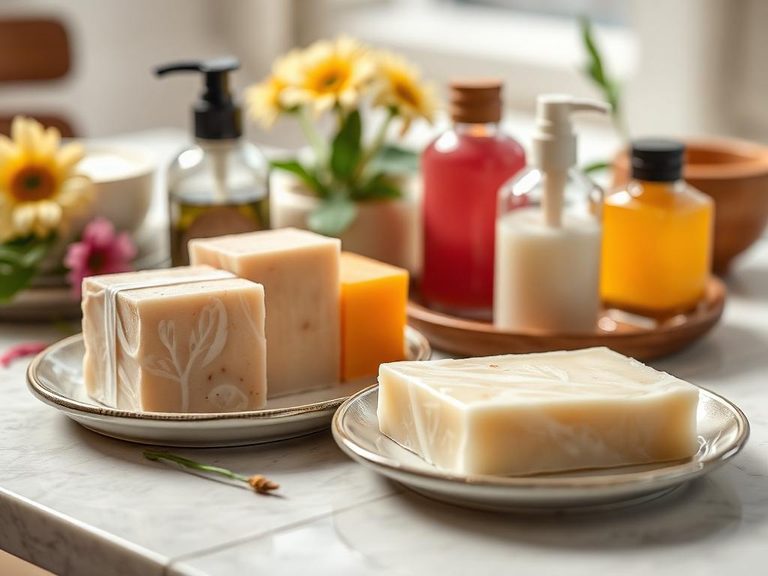
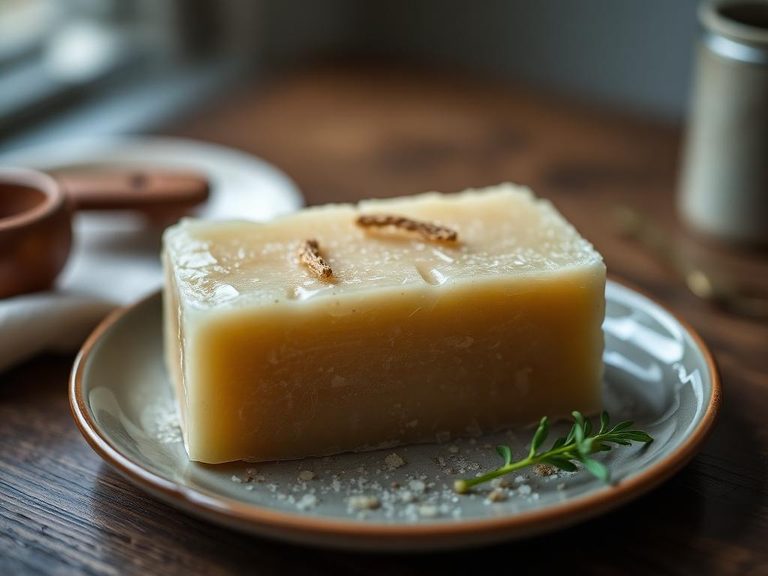
This is not a dish for eating, but a traditional ingredient used in soap making. It is typically a high-quality vegetable oil, such as olive oil or coconut oil, which is saponified (reacted with an alkali) to create soap. These oils have been used for centuries in Mediterranean and tropical regions for both culinary and cleansing purposes.
🍽️ Nutrition at a glance
As a pure fat, it is extremely high in calories and fat, with no protein or carbohydrates. It provides essential fatty acids and fat-soluble vitamins like Vitamin E, which are beneficial for skin health when used topically in soap.
Nutrition breakdown
| Calories | 120 kcal |
| Protein | 0 g |
| Carbs | 0 g |
| Fat | 14 g |
| Fiber | 0 g |
| Sugar | 0 g |
| Sodium | 0 mg |
| Vitamin E | 1.9 mg |
| Vitamin K | 8.4 mcg |
| Palmitic Acid | 1.1 g |
| Oleic Acid | 9.9 g |
| Linoleic Acid | 1.4 g |
Per 1 tablespoon (14 g) · estimated, varies by recipe
💡 What's interesting
The use of plant oils in soap making is an ancient practice, with archaeological evidence of soap-like substances dating back to ancient Babylon. The specific fatty acid profile of the oil (like lauric acid in coconut oil) determines the soap's lathering, hardness, and cleansing properties.