Traditional Cheese-Making
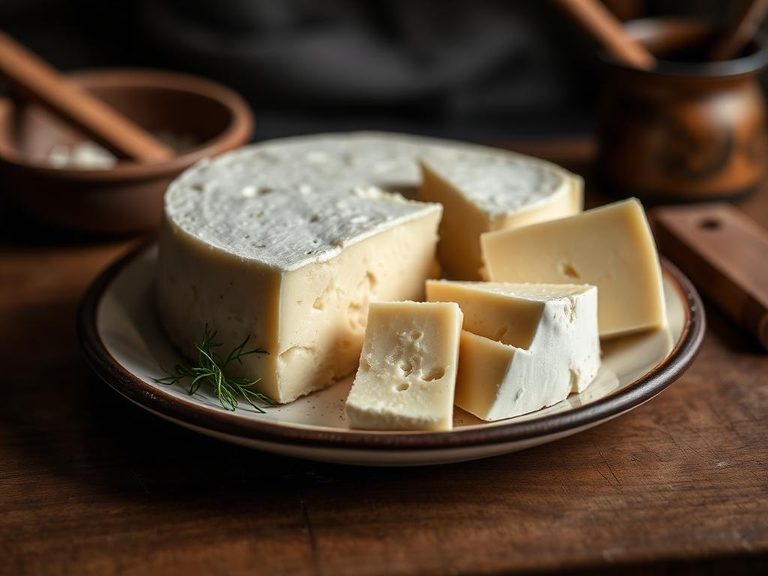
Traditional cheese-making is the artisanal process of transforming milk into a wide variety of cheeses using natural coagulants like rennet or acids, cultures, and aging techniques. It is a craft with deep roots in many cultures, particularly in Europe, the Middle East, and parts of Asia, where specific methods define regional specialties.
🍽️ Nutrition at a glance
Cheese is generally high in fat and protein, providing a dense source of energy, calcium, and phosphorus. A typical serving can range from 100 to 400 calories, depending on the type and fat content.
Nutrition breakdown
| Calories | 113 kcal |
| Protein | 7 g |
| Carbs | 0.4 g |
| Fat | 9 g |
| Fiber | 0 g |
| Sugar | 0.1 g |
| Sodium | 176 mg |
| Calcium | 200 mg |
| Phosphorus | 145 mg |
| Vitamin A | 85 µg |
| Vitamin B12 | 0.2 µg |
| Zinc | 1.0 mg |
| Selenium | 5.5 µg |
| Riboflavin (B2) | 0.08 mg |
| Sodium | 176 mg |
Per 1 ounce (28 g) · estimated, varies by recipe
💡 What's interesting
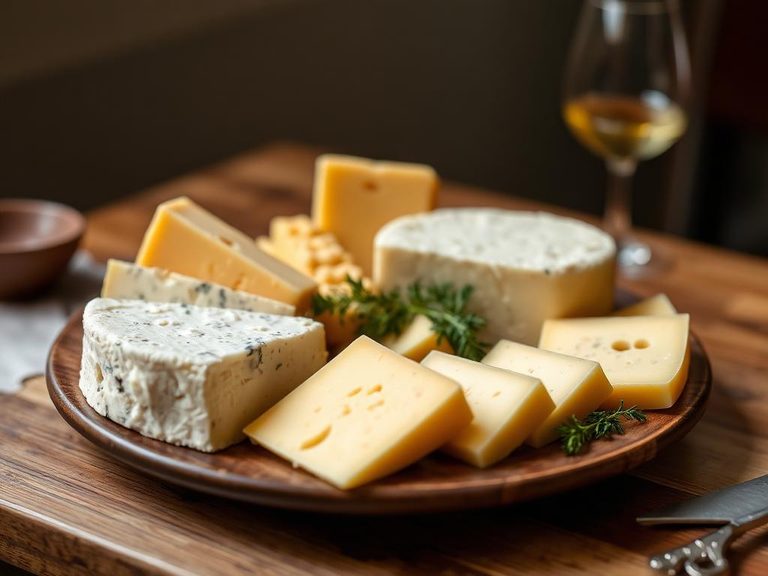
The diversity of cheese is staggering, with over 1,000 distinct varieties worldwide, each shaped by local milk sources, microbial cultures, and centuries-old aging practices. Nutritionally, it's a potent source of bioavailable calcium and conjugated linoleic acid (CLA), a fatty acid linked to various health benefits.