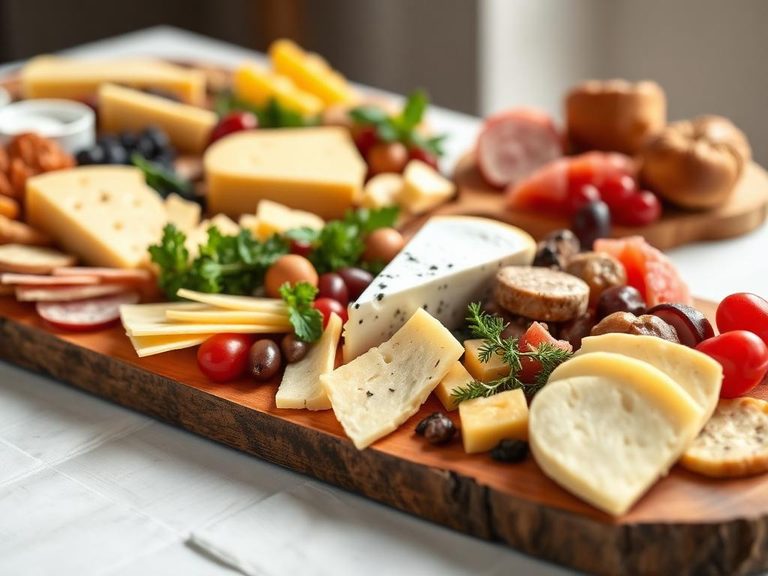
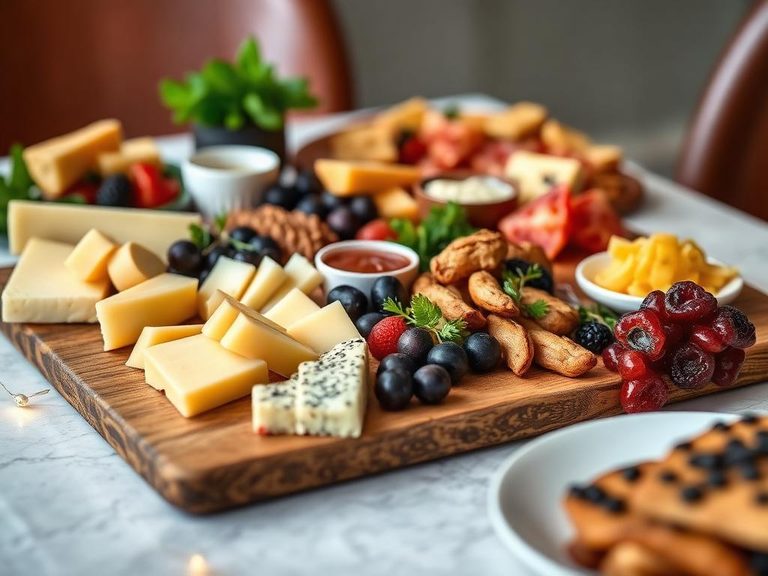
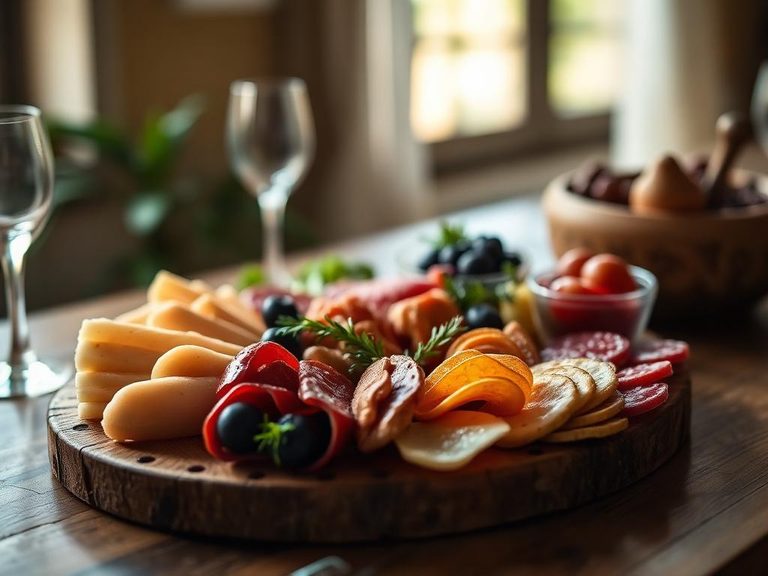
Charcuterie and Sausage Making
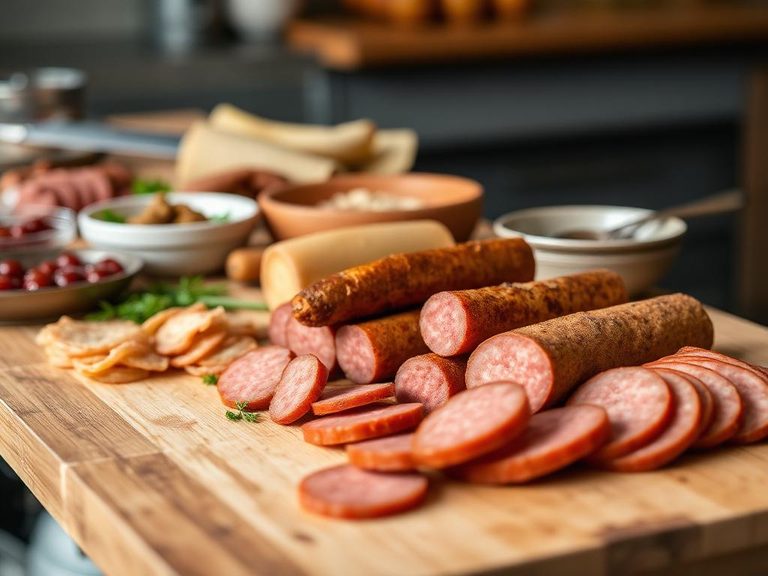
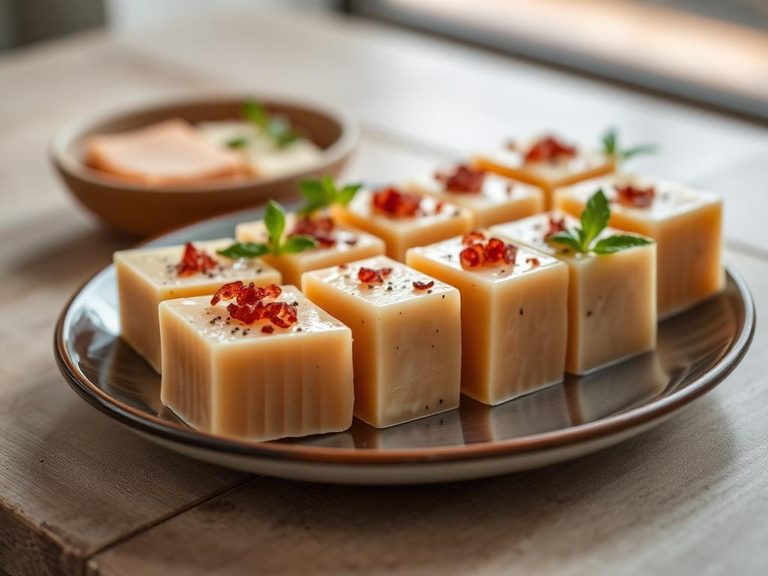
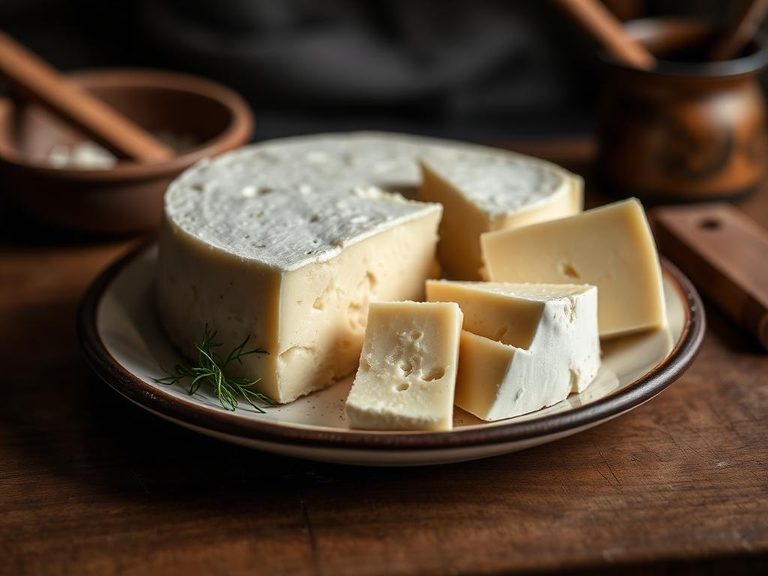
Charcuterie and sausage making is the culinary art of preserving and preparing meat, typically pork, through processes like curing, smoking, and fermenting. This craft, originating in France, encompasses a wide range of products from dry-cured salami and pâtés to fresh and smoked sausages, often seasoned with salt, spices, and herbs.
🍽️ Nutrition at a glance
These foods are generally high in protein and fat, with minimal to no carbohydrates, making them a dense source of energy and essential nutrients. A typical serving provides significant amounts of protein, B vitamins (especially B12 and niacin), and minerals like iron and zinc, with calorie counts varying widely but often ranging from 200 to 400 kcal per serving.
Nutrition breakdown
| Calories | 300 kcal |
| Protein | 20 g |
| Carbs | 2 g |
| Fat | 24 g |
| Fiber | 0 g |
| Sugar | 1 g |
| Sodium | 1200 mg |
| Vitamin B12 | 2.5 µg |
| Niacin (B3) | 5 mg |
| Iron | 2 mg |
| Zinc | 4 mg |
| Phosphorus | 200 mg |
| Selenium | 25 µg |
| Thiamine (B1) | 0.3 mg |
| Potassium | 350 mg |
Per 1 serving (100 g) of assorted charcuterie (e.g., salami, prosciutto, pâté) · estimated, varies by recipe
💡 What's interesting
Charcuterie is a centuries-old tradition that combines art and science, using salt and time to transform simple meats into complex, flavorful delicacies. Nutritionally, these products are rich in bioavailable iron and B12, which are crucial for energy and red blood cell production, though they are also high in sodium and saturated fat.