

Cheese and charcuterie boards
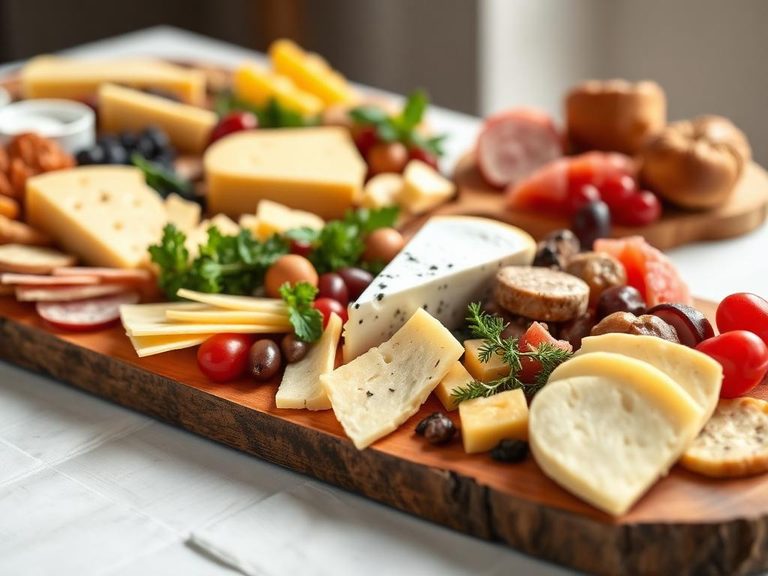
Cheese and charcuterie boards are an elegant, shareable appetizer or meal centerpiece featuring a curated selection of cheeses, cured meats, and accompaniments. Originating from European traditions, particularly in France and Italy, they typically include a variety of cheeses (like brie, cheddar, or gouda), cured meats (such as prosciutto, salami, or soppressata), and are often paired with fruits, nuts, bread, and spreads. This dish has become a popular social food for gatherings, emphasizing variety and communal enjoyment.
🍳 View the full Cheese and charcuterie boards recipe →
🍽️ Nutrition at a glance
Cheese and charcuterie boards are generally high in fat and protein, with moderate to low carbohydrates depending on the accompaniments. They provide key nutrients like calcium, vitamin B12, and iron, but can be calorie-dense, with a typical serving ranging from 400 to 600 calories.
Nutrition breakdown
| Calories | 650 kcal |
| Protein | 30 g |
| Carbs | 15 g |
| Fat | 50 g |
| Fiber | 1 g |
| Sugar | 3 g |
| Sodium | 1200 mg |
| Calcium | 300 mg |
| Phosphorus | 400 mg |
| Vitamin B12 | 1.5 mcg |
| Vitamin A | 200 mcg RAE |
| Zinc | 3 mg |
| Selenium | 20 mcg |
| Iron | 1.5 mg |
| Potassium | 250 mg |
Per 1 board (approx. 200 g) · estimated, varies by recipe
💡 What's interesting
Culturally, these boards reflect a tradition of preserving and savoring artisanal foods, often showcasing regional specialties and craftsmanship. Nutritionally, they offer a balanced mix of macronutrients that can support satiety, but the high sodium and saturated fat content means they are best enjoyed in moderation as part of a varied diet.
🍽️ Related dishes
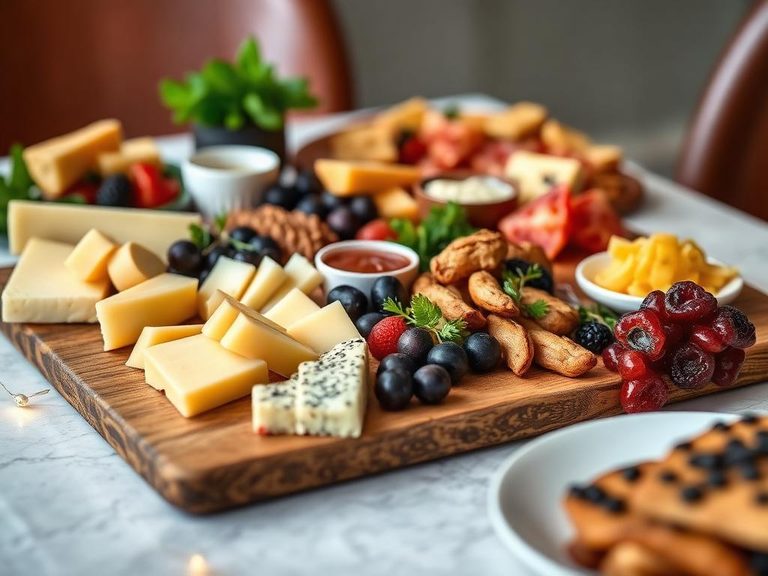 Paired with cheese and charcuterie boards
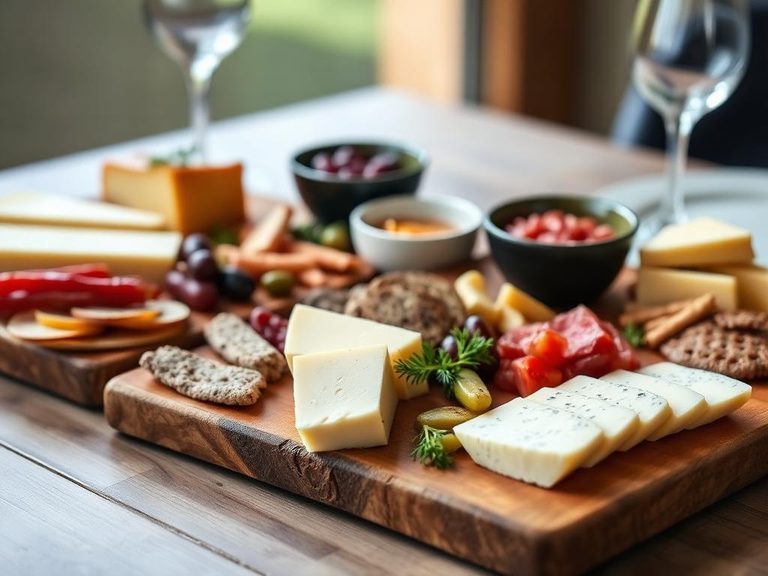 Charcuterie and cheese boards
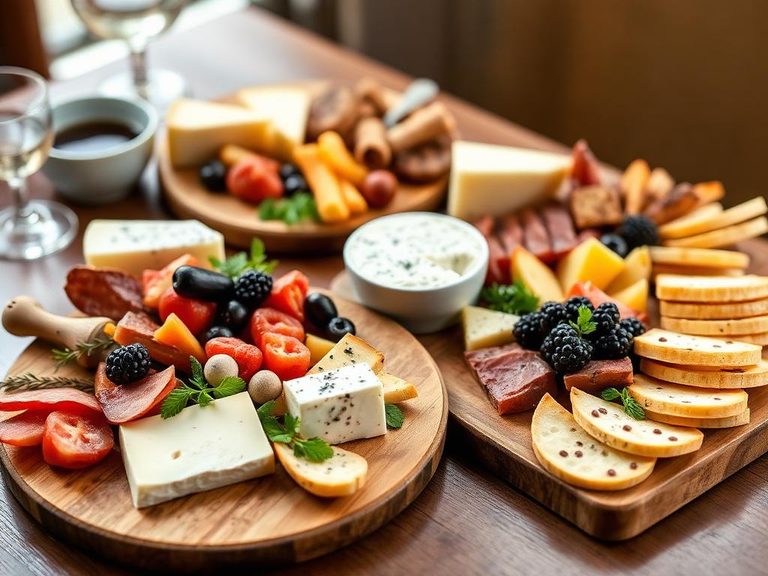 Served with cheese boards and charcuterie
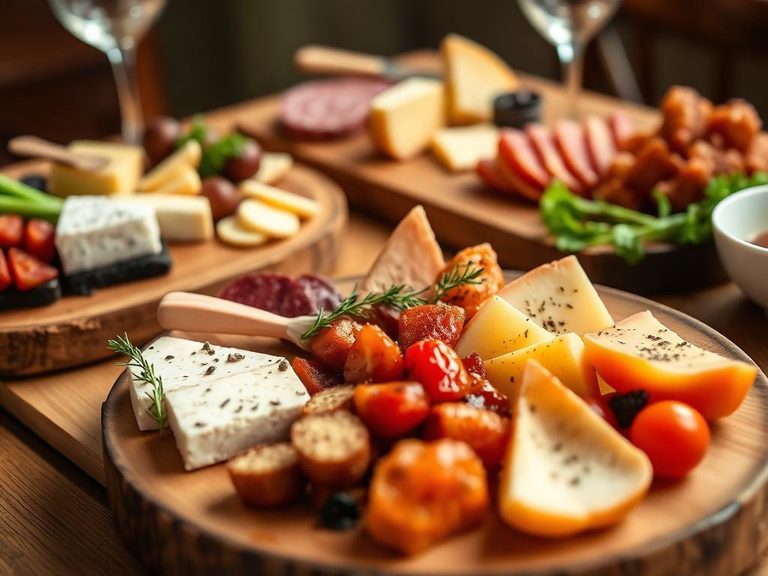 Served alongside cheese boards and charcuterie
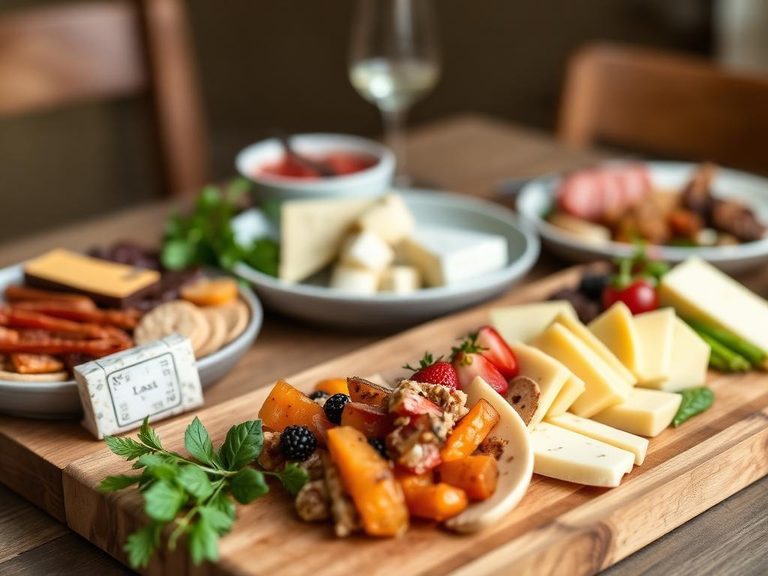 Added to cheese boards or charcuterie plates
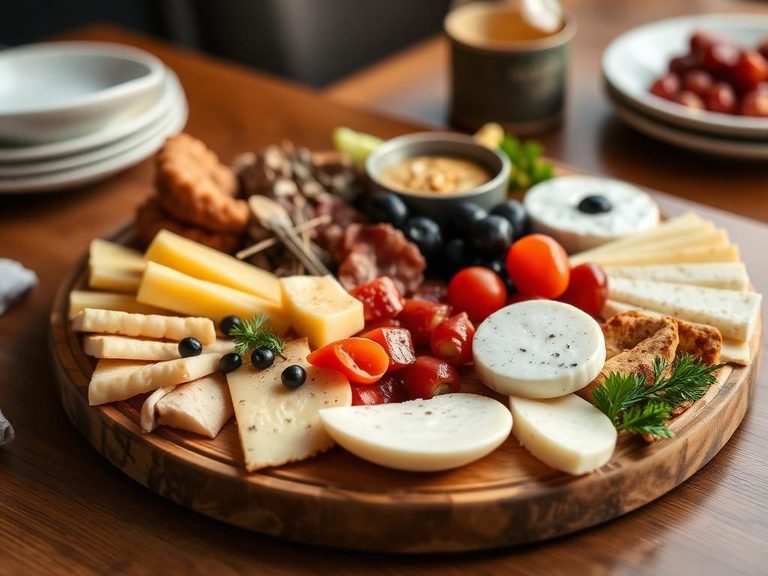 Garnish for cheese boards and charcuterie
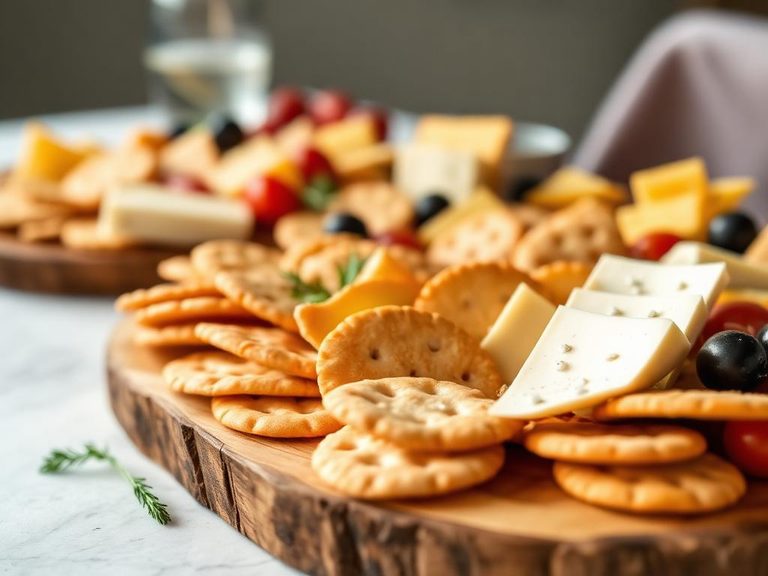 Crackers with cheese and charcuterie boards
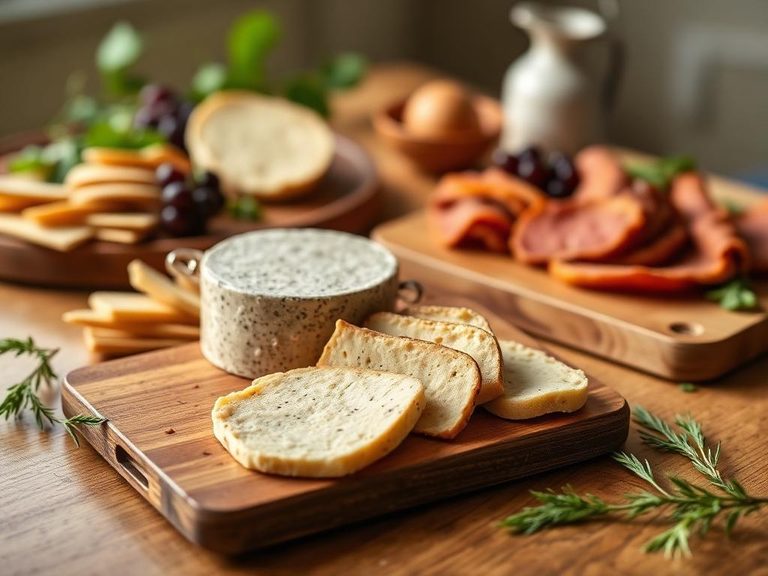 Pâté with charcuterie boards
AI estimate may be inaccurate · Terms