

Making ice cubes
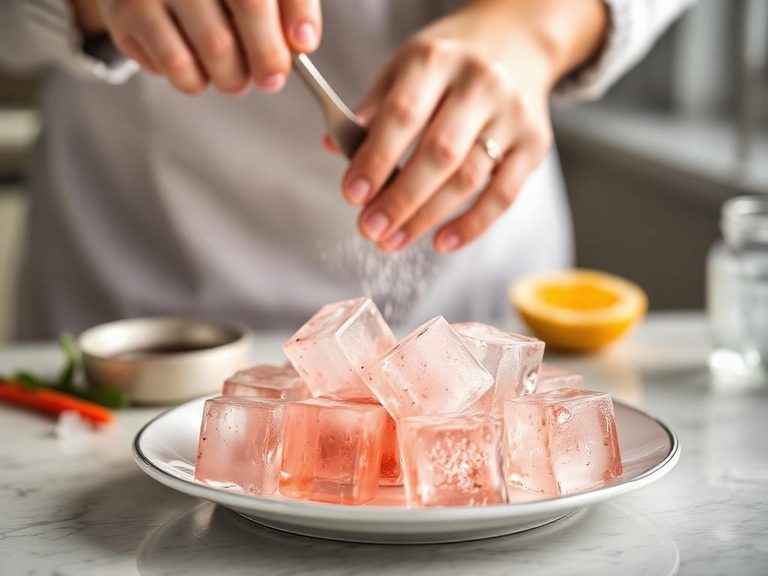
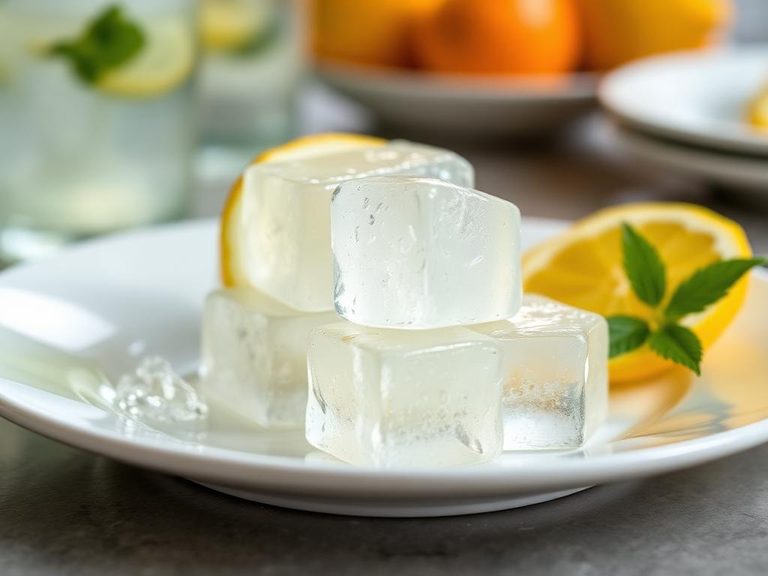
Making ice cubes is the simple process of freezing water, or other liquids, in a mold to create solid, chilled cubes. The primary ingredient is water, and it is a universal practice found in homes and establishments worldwide to cool beverages.
🍳 View the full Making ice cubes recipe →
🍽️ Nutrition at a glance
Ice cubes made from water have zero calories, carbohydrates, fat, or protein, and they provide no significant nutrients. Their primary function is hydration and temperature regulation, not nutritional value.
Nutrition breakdown
| Calories | 0 kcal |
| Protein | 0 g |
| Carbs | 0 g |
| Fat | 0 g |
| Fiber | 0 g |
| Sugar | 0 g |
| Sodium | 0 mg |
| Calcium | 20 mg |
| Magnesium | 5 mg |
| Potassium | 3 mg |
| Sodium | 2 mg |
| Chloride | 5 mg |
| Iron | 0.1 mg |
| Zinc | 0.05 mg |
| Copper | 0.01 mg |
Per 1 cup (240 g) · estimated, varies by recipe
💡 What's interesting
While not a traditional dish, the shape of ice cubes has evolved from historical ice houses and hand-carved blocks to modern, standardized trays, reflecting advancements in technology and daily convenience.
🍽️ Related dishes

AI estimate may be inaccurate · Terms