

Lamb, New Zealand, imported, square-cut shoulder, separable lean and fat, cooked, slow roasted
Whole food · Lamb, Veal, and Game Products

Photo: Wikipedia
This is a succulent, slow-roasted cut from the shoulder of New Zealand lamb, where the lean meat and marbled fat have been cooked low and slow until they meld into a tender, pull-apart texture with a rich, deeply savory, and slightly gamey flavor. The slow-roasting process renders the fat, basting the meat and creating a beautifully caramelized exterior. It's a protein-packed powerhouse, delivering over 20 grams of high-quality protein per 100g serving with virtually no carbohydrates.
Calorie split: 28% protein · 0% carbs · 72% fat
↓ Full nutrition💚 Why it's loved
People adore this cut for its unparalleled depth of flavor and melt-in-your-mouth tenderness, a direct result of the slow-cooking method that transforms tougher shoulder tissue. It's a centerpiece dish that evokes comfort and celebration, often associated with Sunday roasts and family gatherings.
⚠️ Watch-outs & how to enjoy it better
The high fat content, while flavorful, makes this a calorie-dense choice and may not suit low-fat dietary plans. Individuals monitoring their saturated fat intake should practice portion control. To balance the meal, pair a moderate serving with a large portion of non-starchy vegetables like roasted broccoli or a fresh, acidic salad to add fiber and cut through the richness.
Key benefits
- Excellent source of complete, high-quality protein for muscle maintenance.
- Rich in bioavailable heme iron, crucial for energy and oxygen transport.
- Provides essential B vitamins, especially B12, for nerve function and red blood cell formation.
- Contains zinc and selenium, important minerals for immune health and antioxidant defense.
- Naturally free from carbohydrates and sugars, suitable for low-carb diets.
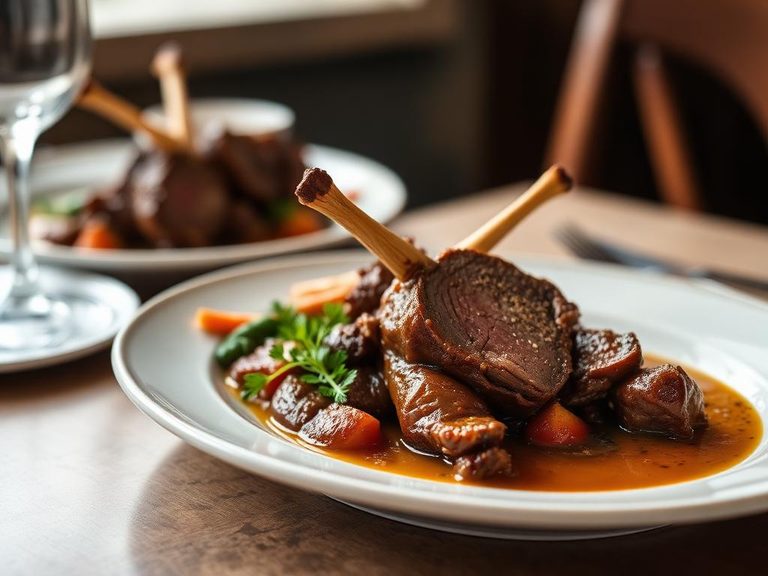
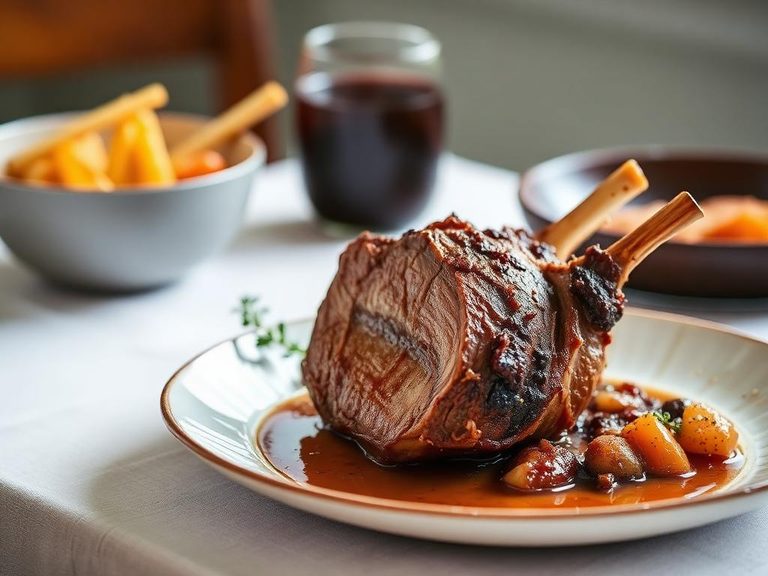
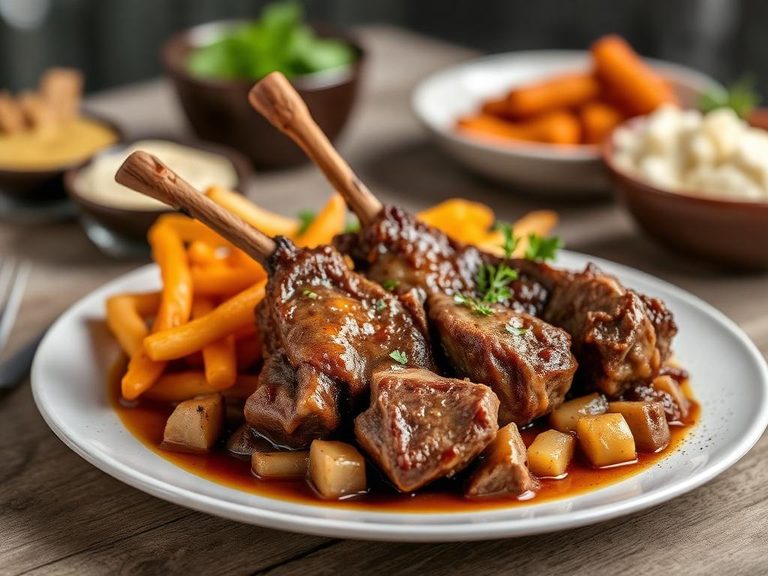
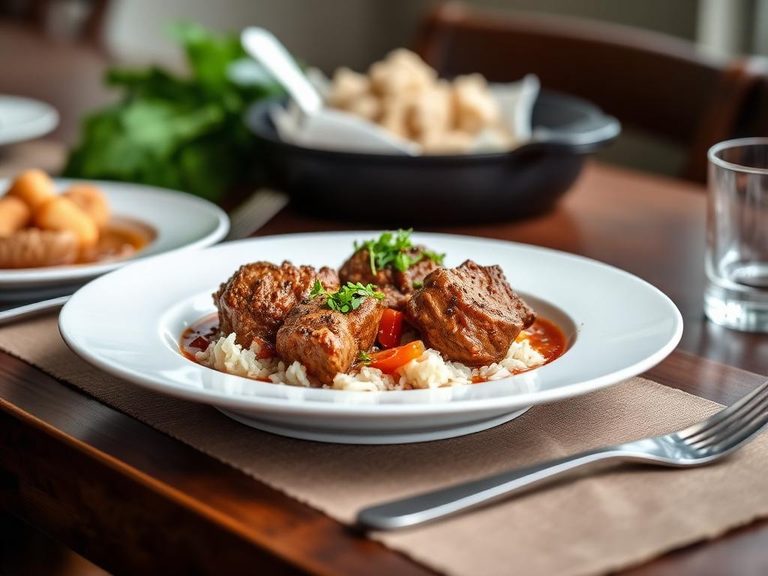
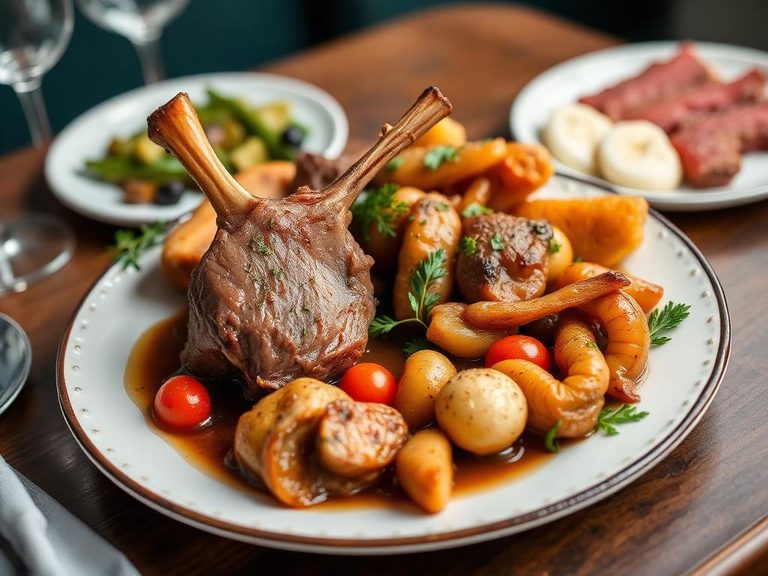
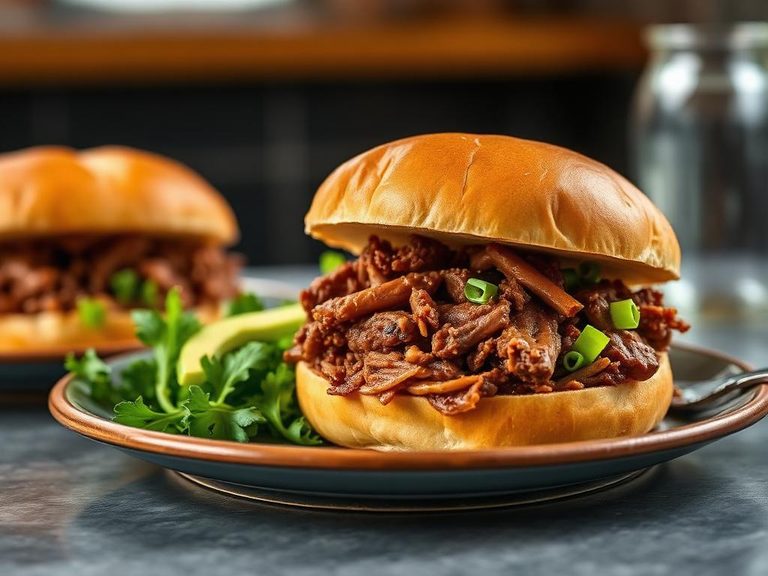
🍽️ Popular dishes
🌍 Where it's eaten
💡 Did you know?
New Zealand lamb is often considered 'spring lamb' because, due to the country's reversed seasons, the peak lambing season occurs during the Northern Hemisphere's winter, making fresh NZ lamb available globally during the early months of the year.
Full nutrition (USDA data · scales with serving)
| Water | 55.9 g |
| Energy | 294 kcal |
| Energy | 1231 kj |
| Protein | 20.9 g |
| Total lipid (fat) | 23.4 g |
| Ash | 0.91 g |
| Carbohydrate, by difference | 0.03 g |
| Fiber, total dietary | 0.00 g |
| Total Sugars | 0.00 g |
| Calcium, Ca | 12.0 mg |
| Iron, Fe | 1.4 mg |
| Magnesium, Mg | 20.0 mg |
| Phosphorus, P | 176 mg |
| Potassium, K | 299 mg |
| Sodium, Na | 72.0 mg |
| Zinc, Zn | 3.9 mg |
| Copper, Cu | 0.10 mg |
| Manganese, Mn | 0.01 mg |
| Selenium, Se | 5.7 ug |
| Vitamin C, total ascorbic acid | 0.00 mg |
| Thiamin | 0.07 mg |
| Riboflavin | 0.20 mg |
| Niacin | 3.6 mg |
| Pantothenic acid | 0.40 mg |
| Vitamin B-6 | 0.16 mg |
| Vitamin B-12 | 2.2 ug |
| Vitamin A, RAE | 11.0 ug |
| Retinol | 11.0 ug |
| Carotene, beta | 0.00 ug |
| Carotene, alpha | 0.00 ug |
| Cryptoxanthin, beta | 0.00 ug |
| Vitamin A, IU | 35.0 iu |
| Lycopene | 0.00 ug |
| Lutein + zeaxanthin | 0.00 ug |
| Vitamin E (alpha-tocopherol) | 0.40 mg |
| Vitamin D (D2 + D3), International Units | 6.0 iu |
| Vitamin D (D2 + D3) | 0.10 ug |
| Vitamin D3 (cholecalciferol) | 0.10 ug |
| Alcohol, ethyl | 0.00 g |
| Caffeine | 0.00 mg |
| Theobromine | 0.00 mg |
Fat & fatty acid profile (per 100g)
| Fatty acids, total saturated | 9.3 g |
| SFA 4:0 | 0.00 g |
| SFA 6:0 | 0.00 g |
| SFA 8:0 | 0.00 g |
| SFA 10:0 | 0.02 g |
| SFA 12:0 | 0.03 g |
| SFA 14:0 | 0.47 g |
| SFA 16:0 | 3.5 g |
| SFA 17:0 | 0.39 g |
| SFA 18:0 | 4.9 g |
| SFA 20:0 | 0.02 g |
| SFA 22:0 | 0.04 g |
| SFA 24:0 | 0.00 g |
| Fatty acids, total monounsaturated | 6.4 g |
| MUFA 14:1 | 0.01 g |
| MUFA 15:1 | 0.00 g |
| MUFA 16:1 | 0.20 g |
| MUFA 16:1 c | 0.17 g |
| MUFA 17:1 | 0.00 g |
| MUFA 18:1 | 6.2 g |
| MUFA 18:1 c | 5.0 g |
| MUFA 20:1 | 0.01 g |
| MUFA 22:1 | 0.00 g |
| MUFA 22:1 c | 0.00 g |
| MUFA 24:1 c | 0.00 g |
| Fatty acids, total polyunsaturated | 0.88 g |
| PUFA 18:2 | 0.58 g |
| PUFA 18:2 n-6 c,c | 0.25 g |
| PUFA 18:2 CLAs | 0.33 g |
| PUFA 18:3 | 0.24 g |
| PUFA 18:3 n-3 c,c,c (ALA) | 0.24 g |
| PUFA 18:3 n-6 c,c,c | 0.00 g |
| PUFA 18:4 | 0.00 g |
| PUFA 20:2 n-6 c,c | 0.00 g |
| PUFA 20:3 | 0.00 g |
| PUFA 20:3 n-3 | 0.00 g |
| PUFA 20:3 n-6 | 0.00 g |
| PUFA 20:4 | 0.02 g |
| PUFA 20:4 n-6 | 0.02 g |
| PUFA 20:5 n-3 (EPA) | 0.01 g |
| PUFA 22:5 n-3 (DPA) | 0.03 g |
| PUFA 22:6 n-3 (DHA) | 0.00 g |
| Fatty acids, total trans | 1.2 g |
| Fatty acids, total trans-monoenoic | 1.2 g |
| TFA 16:1 t | 0.03 g |
| TFA 18:1 t | 1.2 g |
| TFA 18:2 t,t | 0.01 g |
| Fatty acids, total trans-polyenoic | 0.01 g |
| Cholesterol | 72.0 mg |
Amino acid profile (per 100g)
| Tryptophan | 0.23 g |
| Threonine | 1.00 g |
| Isoleucine | 0.94 g |
| Leucine | 1.6 g |
| Lysine | 1.8 g |
| Methionine | 0.68 g |
| Cystine | 0.27 g |
| Phenylalanine | 0.82 g |
| Tyrosine | 0.72 g |
| Valine | 1.1 g |
| Arginine | 1.4 g |
| Histidine | 0.44 g |
| Alanine | 1.0 g |
| Glutamic acid | 2.9 g |
| Glycine | 0.89 g |
| Proline | 0.67 g |
| Serine | 0.71 g |
FAQ
What's the difference between lamb shoulder and leg?
Shoulder is a harder-working muscle with more connective tissue and fat, making it ideal for slow, moist cooking methods (roasting, braising) to become tender. Leg is leaner and more uniform, suitable for quicker roasting or grilling.
Why is New Zealand lamb so popular?
New Zealand's grass-fed, free-range farming practices are renowned, resulting in lamb with a distinct, clean flavor. The country's strict quality standards and year-round production make it a reliable, high-quality import globally.
How do I store and reheat leftovers?
Cool leftovers quickly, store in an airtight container in the fridge for up to 3 days. Reheat gently in a low oven (150°C/300°F) with a splash of stock to prevent drying, or slice thinly for use in sandwiches, salads, or pies.
Nutrient density (calculated · NRF9.3)
Nutrient Rich Foods index: beneficial nutrients (protein, fiber, vitamins, minerals) minus saturated fat, added sugar & sodium, per 100 kcal.
NRF9.3 index — Fulgoni, Keast & Drewnowski, 2009. Computed from USDA nutrients.
Weight-loss friendliness (composite index)
Energy density 2.94 kcal/g · 28% calories from protein · 0.0 g fiber · 0.0 g sugar per 100 g.
Composite of energy density (Rolls et al., 1999), protein & fiber satiety, minus sugar. A calculated heuristic — ranks satiety-per-calorie, not a clinical measure.
Dietary load (calculated from USDA values)
Potential renal acid load. Positive = acid-forming, negative = alkaline-forming.
Sodium-to-potassium ratio: 0.24 (lower is better — aim for ≤ 1)
Sodium:potassium per WHO potassium guidance. Computed from USDA nutrients.