

Lamb, New Zealand, imported, netted shoulder, rolled, boneless, separable lean and fat, raw
Whole food · Lamb, Veal, and Game Products
This is a premium cut of boneless, rolled lamb shoulder from New Zealand, netted to hold its shape. It features a rich, succulent balance of tender lean meat and flavorful fat, offering a deep, slightly sweet, and gamey taste. Nutritionally, it's a powerhouse of high-quality protein and provides a significant source of energy from its healthy fats.
Calorie split: 27% protein · 0% carbs · 73% fat
↓ Full nutrition💚 Why it's loved
People adore this cut for its incredible versatility and forgiving nature; the marbling and fat cap baste the meat during slow cooking, resulting in fork-tender, pull-apart perfection. It's a centerpiece for comforting, hearty meals that evoke a sense of tradition and celebration.
⚠️ Watch-outs & how to enjoy it better
The relatively high fat content means it's calorie-dense, which may be a concern for those monitoring fat intake. To counteract this, practice portion control and pair it with large servings of non-starchy vegetables like roasted broccoli or a fresh salad to add volume and fiber without excess calories.
Key benefits
- Excellent source of complete protein for muscle maintenance.
- Rich in conjugated linoleic acid (CLA), a type of beneficial fat.
- Provides essential minerals like iron and zinc.
- High in B vitamins, particularly B12 and niacin.
- The fat content contributes to flavor and satiety.
🍽️ Popular dishes
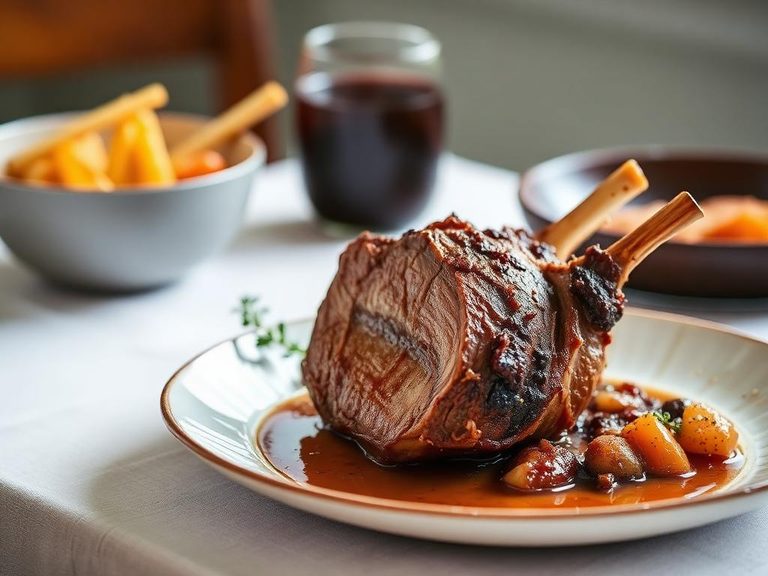
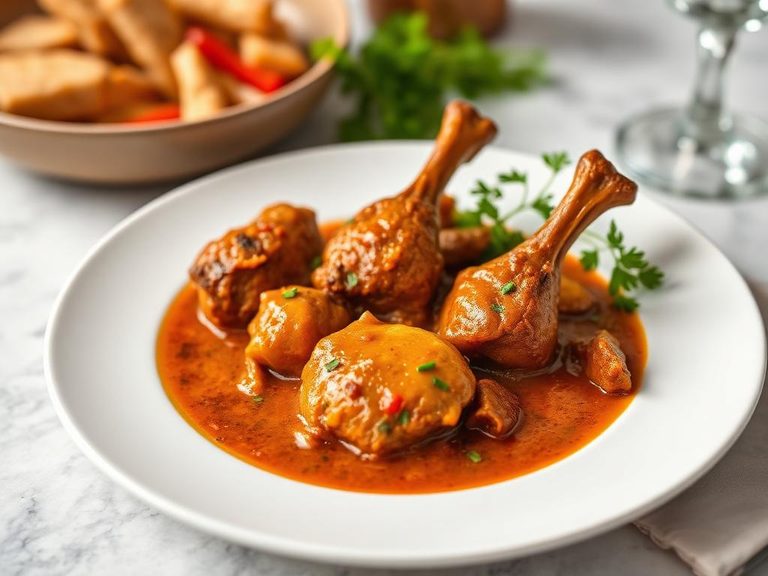
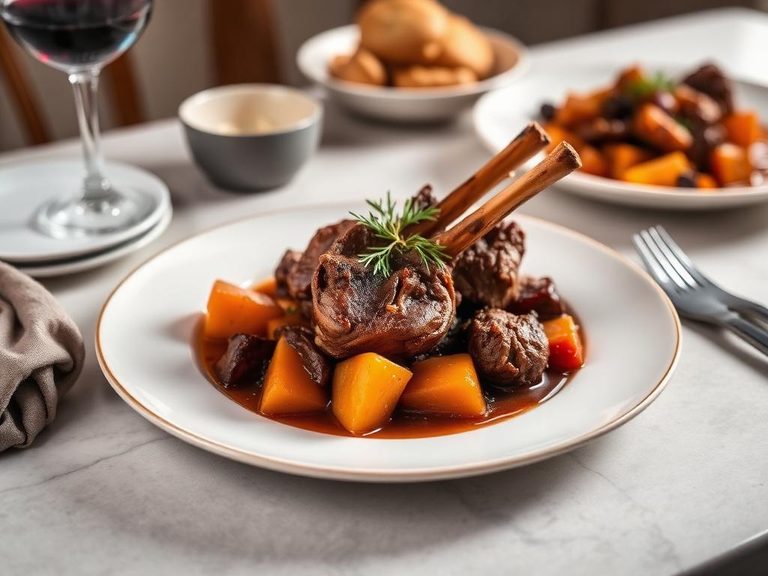
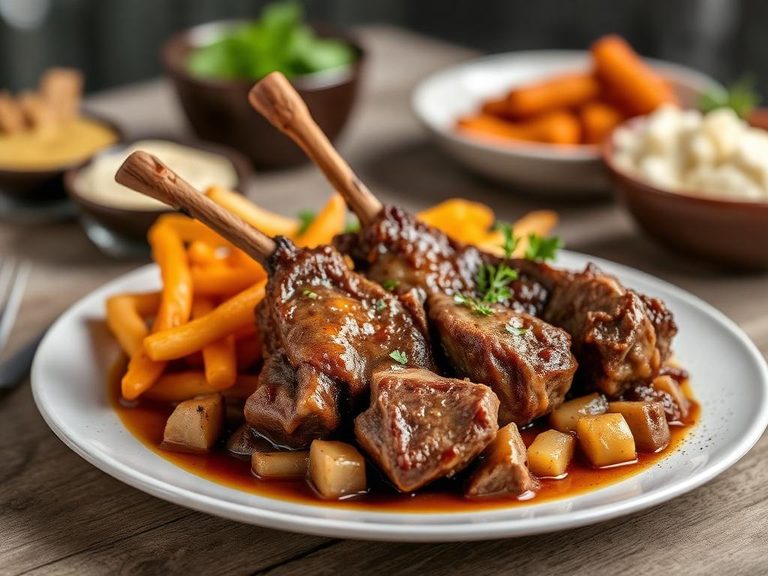
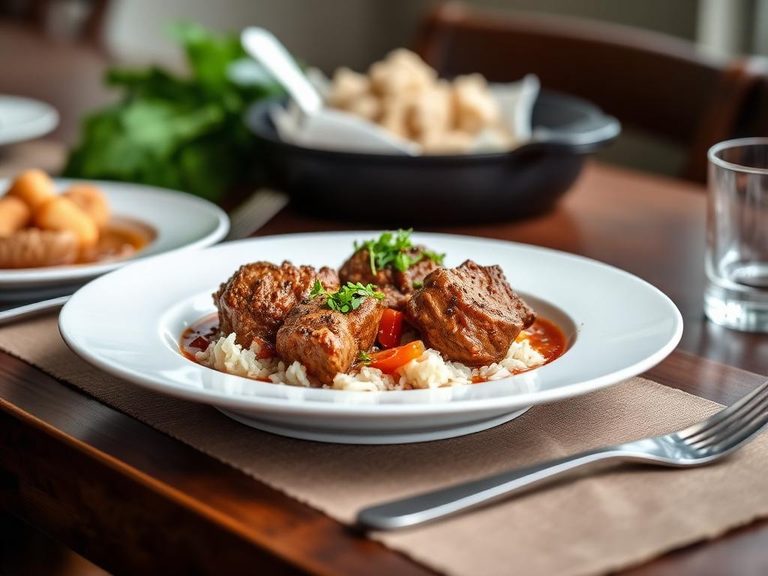
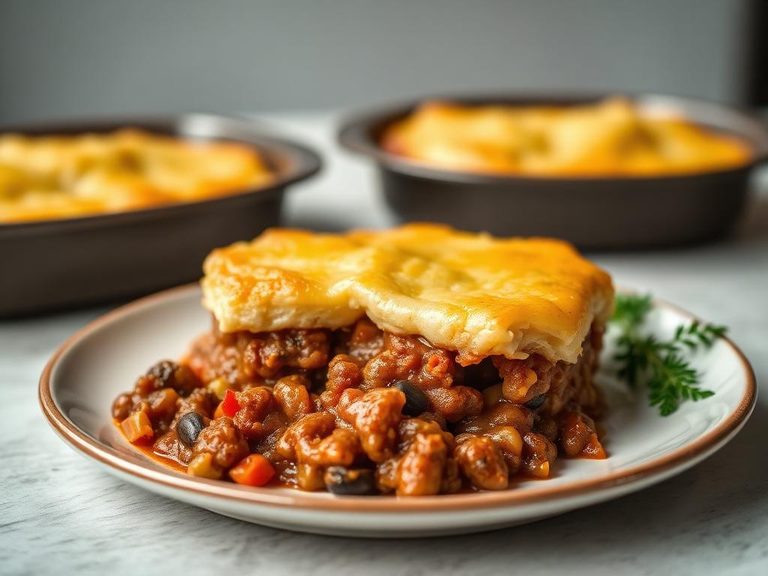
🌍 Where it's eaten
💡 Did you know?
New Zealand's sheep outnumber its people by roughly 6 to 1, making it one of the world's most prolific sources of high-quality lamb.
Full nutrition (USDA data · scales with serving)
| Water | 62.5 g |
| Energy | 252 kcal |
| Energy | 1053 kj |
| Protein | 16.9 g |
| Total lipid (fat) | 20.4 g |
| Ash | 0.82 g |
| Carbohydrate, by difference | 0.20 g |
| Fiber, total dietary | 0.00 g |
| Total Sugars | 0.00 g |
| Calcium, Ca | 5.0 mg |
| Iron, Fe | 1.1 mg |
| Magnesium, Mg | 18.0 mg |
| Phosphorus, P | 150 mg |
| Potassium, K | 280 mg |
| Sodium, Na | 58.0 mg |
| Zinc, Zn | 3.2 mg |
| Copper, Cu | 0.08 mg |
| Manganese, Mn | 0.01 mg |
| Selenium, Se | 3.0 ug |
| Vitamin C, total ascorbic acid | 0.00 mg |
| Thiamin | 0.13 mg |
| Riboflavin | 0.12 mg |
| Niacin | 4.4 mg |
| Pantothenic acid | 0.49 mg |
| Vitamin B-6 | 0.10 mg |
| Vitamin B-12 | 2.0 ug |
| Vitamin A, RAE | 13.0 ug |
| Retinol | 13.0 ug |
| Carotene, beta | 0.00 ug |
| Carotene, alpha | 0.00 ug |
| Cryptoxanthin, beta | 0.00 ug |
| Vitamin A, IU | 44.0 iu |
| Lycopene | 0.00 ug |
| Lutein + zeaxanthin | 0.00 ug |
| Vitamin E (alpha-tocopherol) | 0.37 mg |
| Vitamin D (D2 + D3), International Units | 3.0 iu |
| Vitamin D (D2 + D3) | 0.10 ug |
| Vitamin D3 (cholecalciferol) | 0.10 ug |
| Alcohol, ethyl | 0.00 g |
| Caffeine | 0.00 mg |
| Theobromine | 0.00 mg |
Fat & fatty acid profile (per 100g)
| Fatty acids, total saturated | 8.2 g |
| SFA 4:0 | 0.00 g |
| SFA 6:0 | 0.00 g |
| SFA 8:0 | 0.00 g |
| SFA 10:0 | 0.03 g |
| SFA 12:0 | 0.03 g |
| SFA 14:0 | 0.42 g |
| SFA 16:0 | 3.2 g |
| SFA 17:0 | 0.36 g |
| SFA 18:0 | 4.2 g |
| SFA 20:0 | 0.01 g |
| SFA 22:0 | 0.04 g |
| SFA 24:0 | 0.00 g |
| Fatty acids, total monounsaturated | 5.5 g |
| MUFA 14:1 | 0.01 g |
| MUFA 15:1 | 0.00 g |
| MUFA 16:1 | 0.17 g |
| MUFA 16:1 c | 0.15 g |
| MUFA 17:1 | 0.00 g |
| MUFA 18:1 | 5.3 g |
| MUFA 18:1 c | 4.4 g |
| MUFA 20:1 | 0.01 g |
| MUFA 22:1 | 0.00 g |
| MUFA 22:1 c | 0.00 g |
| MUFA 24:1 c | 0.00 g |
| Fatty acids, total polyunsaturated | 0.76 g |
| PUFA 18:2 | 0.49 g |
| PUFA 18:2 n-6 c,c | 0.20 g |
| PUFA 18:2 CLAs | 0.28 g |
| PUFA 18:3 | 0.21 g |
| PUFA 18:3 n-3 c,c,c (ALA) | 0.21 g |
| PUFA 18:3 n-6 c,c,c | 0.00 g |
| PUFA 18:4 | 0.00 g |
| PUFA 20:2 n-6 c,c | 0.00 g |
| PUFA 20:3 | 0.00 g |
| PUFA 20:3 n-3 | 0.00 g |
| PUFA 20:3 n-6 | 0.00 g |
| PUFA 20:4 | 0.02 g |
| PUFA 20:4 n-6 | 0.02 g |
| PUFA 20:5 n-3 (EPA) | 0.01 g |
| PUFA 22:5 n-3 (DPA) | 0.03 g |
| PUFA 22:6 n-3 (DHA) | 0.01 g |
| Fatty acids, total trans | 0.95 g |
| Fatty acids, total trans-monoenoic | 0.94 g |
| TFA 16:1 t | 0.02 g |
| TFA 18:1 t | 0.92 g |
| TFA 18:2 t,t | 0.01 g |
| Fatty acids, total trans-polyenoic | 0.01 g |
| Cholesterol | 61.0 mg |
Amino acid profile (per 100g)
| Tryptophan | 0.19 g |
| Threonine | 0.81 g |
| Isoleucine | 0.76 g |
| Leucine | 1.3 g |
| Lysine | 1.5 g |
| Methionine | 0.55 g |
| Cystine | 0.22 g |
| Phenylalanine | 0.67 g |
| Tyrosine | 0.59 g |
| Valine | 0.86 g |
| Arginine | 1.1 g |
| Histidine | 0.36 g |
| Alanine | 0.84 g |
| Glutamic acid | 2.4 g |
| Glycine | 0.72 g |
| Proline | 0.54 g |
| Serine | 0.58 g |
FAQ
What's the best way to cook this cut?
It excels with low-and-slow methods like roasting, braising, or slow-cooking. These techniques break down the connective tissue and melt the fat, resulting in incredibly tender, juicy meat.
Is the netting edible?
No, the netting is inedible. It's a cotton or synthetic mesh used to help the boneless shoulder maintain a uniform, round shape for even cooking. Always remove it before carving or serving.
How does New Zealand lamb differ from other lamb?
New Zealand lamb is typically from sheep that graze on open pasture year-round, which can contribute to a distinct, clean flavor and a leaner profile compared to grain-fed lamb, though this specific cut has a good fat ratio for moisture.
Nutrient density (calculated · NRF9.3)
Nutrient Rich Foods index: beneficial nutrients (protein, fiber, vitamins, minerals) minus saturated fat, added sugar & sodium, per 100 kcal.
NRF9.3 index — Fulgoni, Keast & Drewnowski, 2009. Computed from USDA nutrients.
Weight-loss friendliness (composite index)
Energy density 2.52 kcal/g · 27% calories from protein · 0.0 g fiber · 0.0 g sugar per 100 g.
Composite of energy density (Rolls et al., 1999), protein & fiber satiety, minus sugar. A calculated heuristic — ranks satiety-per-calorie, not a clinical measure.
Dietary load (calculated from USDA values)
Potential renal acid load. Positive = acid-forming, negative = alkaline-forming.
Sodium-to-potassium ratio: 0.21 (lower is better — aim for ≤ 1)
Sodium:potassium per WHO potassium guidance. Computed from USDA nutrients.