

Lamb, New Zealand, imported, loin saddle, separable lean and fat, raw
Whole food · Lamb, Veal, and Game Products

Photo: Wikipedia
This is a premium cut from the loin of New Zealand lamb, prized for its deep red color and fine marbling. When raw, it has a clean, slightly sweet, and mineral-rich aroma with a tender, buttery texture that transforms into a succulent, juicy steak or roast when cooked. Nutritionally, it's a powerhouse of high-quality protein and healthy fats, with virtually no carbohydrates.
Calorie split: 24% protein · 0% carbs · 75% fat
↓ Full nutrition💚 Why it's loved
Chefs and home cooks adore this cut for its exceptional tenderness and rich, yet not gamey, flavor that serves as a perfect canvas for both simple seasoning and complex spice rubs. It's a centerpiece of celebratory meals, from elegant Sunday roasts to festive holiday feasts.
⚠️ Watch-outs & how to enjoy it better
As a red meat, it is high in saturated fat and cholesterol, which should be consumed in moderation by those monitoring heart health. The primary tip is to practice portion control (a palm-sized serving) and balance the meal with large portions of fiber-rich vegetables like roasted asparagus or a leafy green salad to aid digestion and nutrient balance.
Key benefits
- Excellent source of complete protein for muscle maintenance.
- Rich in heme iron, which is easily absorbed by the body.
- Provides essential B vitamins like B12 for energy metabolism.
- Contains zinc, which supports immune function.
- Source of conjugated linoleic acid (CLA), a naturally occurring fatty acid.
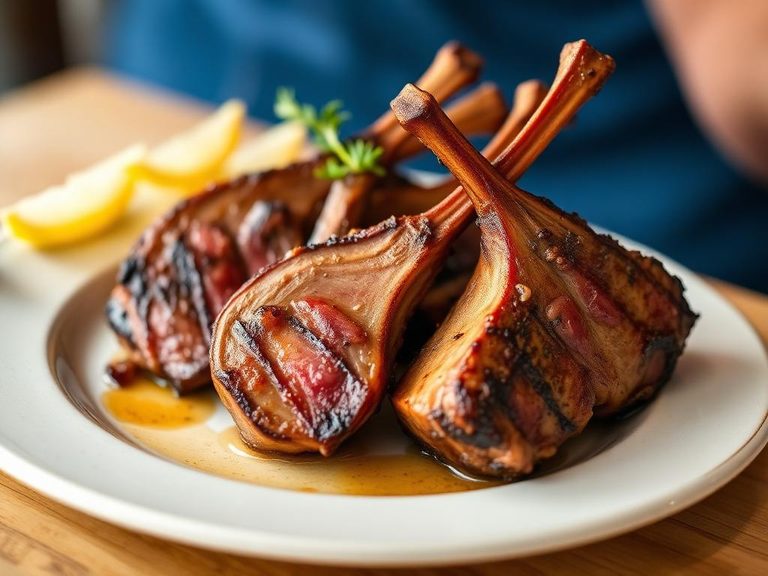
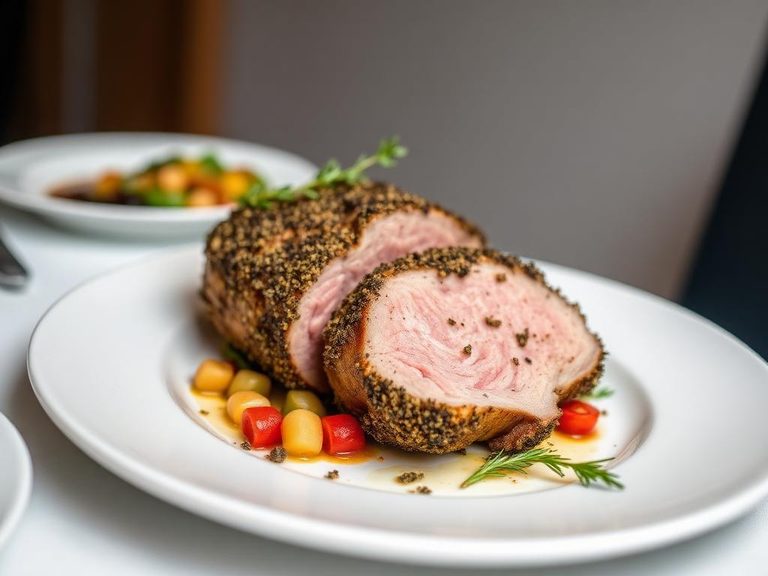
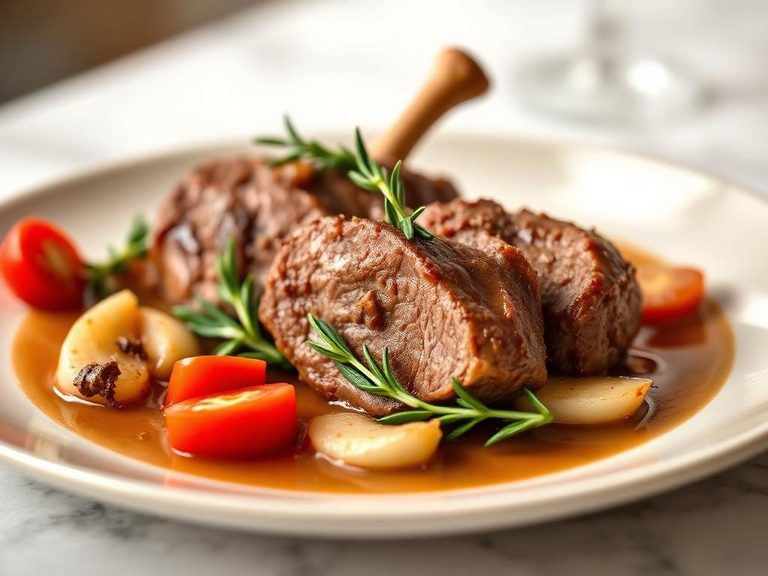
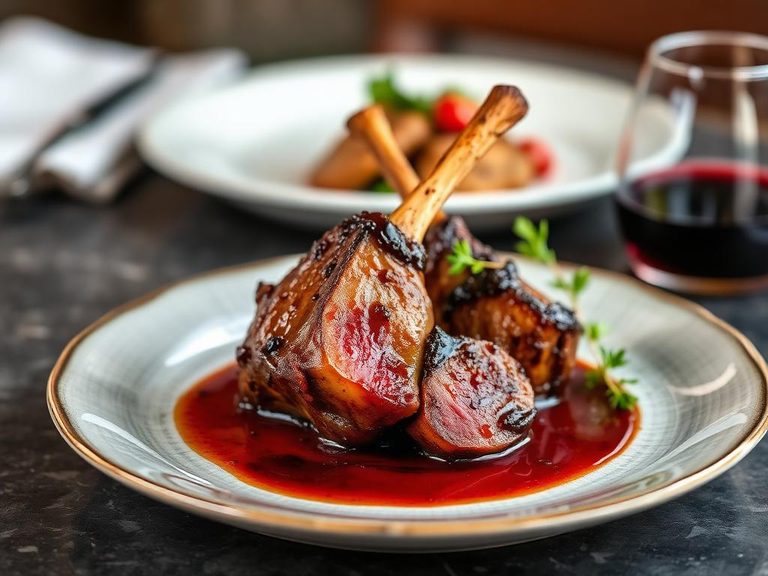
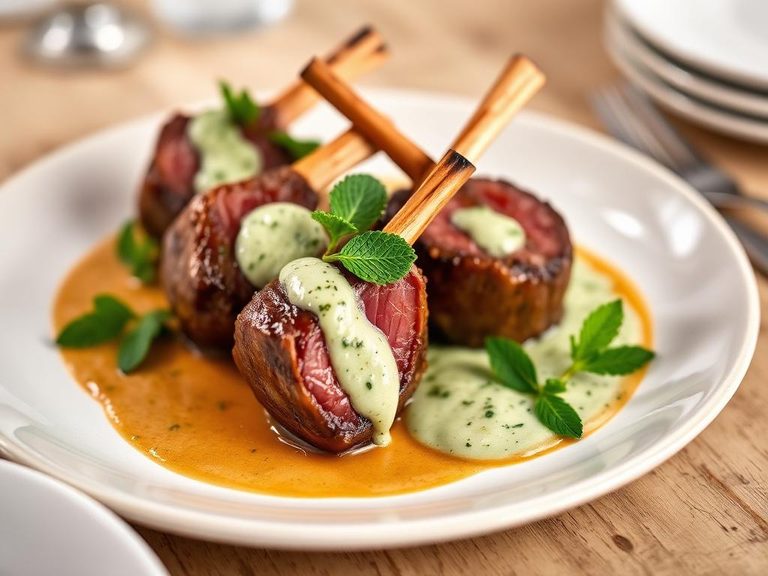
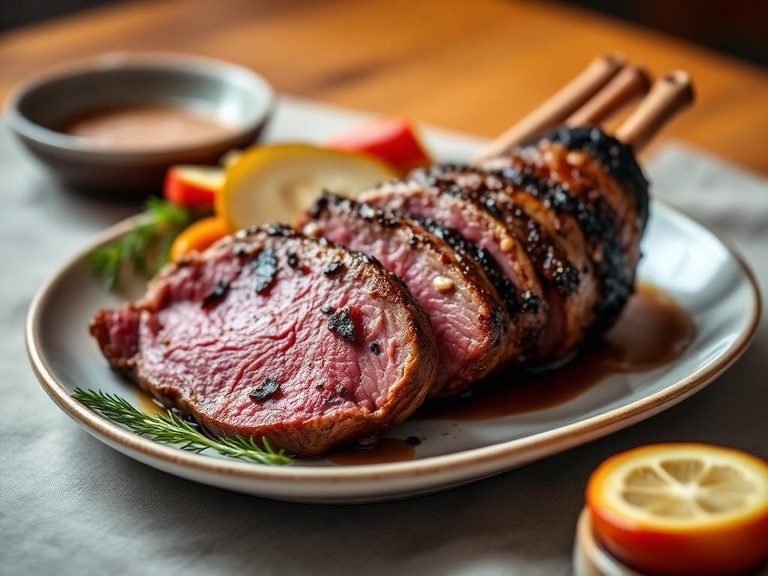
🍽️ Popular dishes
🌍 Where it's eaten
💡 Did you know?
New Zealand's sheep outnumber its people by about 6 to 1, and the unique grass-fed diet of the lamb contributes to its distinctively yellow fat, which is higher in beta-carotene than grain-fed lamb.
Full nutrition (USDA data · scales with serving)
| Water | 60.0 g |
| Energy | 273 kcal |
| Energy | 1143 kj |
| Protein | 16.6 g |
| Total lipid (fat) | 22.9 g |
| Ash | 0.83 g |
| Carbohydrate, by difference | 0.20 g |
| Fiber, total dietary | 0.00 g |
| Total Sugars | 0.00 g |
| Calcium, Ca | 6.0 mg |
| Iron, Fe | 1.3 mg |
| Magnesium, Mg | 19.0 mg |
| Phosphorus, P | 156 mg |
| Potassium, K | 290 mg |
| Sodium, Na | 63.0 mg |
| Zinc, Zn | 2.0 mg |
| Copper, Cu | 0.09 mg |
| Manganese, Mn | 0.01 mg |
| Selenium, Se | 3.5 ug |
| Vitamin C, total ascorbic acid | 0.00 mg |
| Thiamin | 0.11 mg |
| Riboflavin | 0.11 mg |
| Niacin | 4.7 mg |
| Pantothenic acid | 0.37 mg |
| Vitamin B-6 | 0.14 mg |
| Vitamin B-12 | 0.95 ug |
| Vitamin A, RAE | 15.0 ug |
| Retinol | 15.0 ug |
| Carotene, beta | 0.00 ug |
| Carotene, alpha | 0.00 ug |
| Cryptoxanthin, beta | 0.00 ug |
| Vitamin A, IU | 49.0 iu |
| Lycopene | 0.00 ug |
| Lutein + zeaxanthin | 0.00 ug |
| Vitamin E (alpha-tocopherol) | 0.44 mg |
| Vitamin D (D2 + D3), International Units | 2.0 iu |
| Vitamin D (D2 + D3) | 0.10 ug |
| Vitamin D3 (cholecalciferol) | 0.10 ug |
| Alcohol, ethyl | 0.00 g |
| Caffeine | 0.00 mg |
| Theobromine | 0.00 mg |
Fat & fatty acid profile (per 100g)
| Fatty acids, total saturated | 9.6 g |
| SFA 4:0 | 0.00 g |
| SFA 6:0 | 0.00 g |
| SFA 8:0 | 0.00 g |
| SFA 10:0 | 0.03 g |
| SFA 12:0 | 0.03 g |
| SFA 14:0 | 0.48 g |
| SFA 16:0 | 3.7 g |
| SFA 17:0 | 0.42 g |
| SFA 18:0 | 4.9 g |
| SFA 20:0 | 0.03 g |
| SFA 22:0 | 0.05 g |
| SFA 24:0 | 0.00 g |
| Fatty acids, total monounsaturated | 6.5 g |
| MUFA 14:1 | 0.01 g |
| MUFA 15:1 | 0.00 g |
| MUFA 16:1 | 0.19 g |
| MUFA 16:1 c | 0.17 g |
| MUFA 17:1 | 0.00 g |
| MUFA 18:1 | 6.3 g |
| MUFA 18:1 c | 5.1 g |
| MUFA 20:1 | 0.01 g |
| MUFA 22:1 | 0.00 g |
| MUFA 22:1 c | 0.00 g |
| MUFA 24:1 c | 0.00 g |
| Fatty acids, total polyunsaturated | 0.86 g |
| PUFA 18:2 | 0.56 g |
| PUFA 18:2 n-6 c,c | 0.22 g |
| PUFA 18:2 CLAs | 0.33 g |
| PUFA 18:3 | 0.23 g |
| PUFA 18:3 n-3 c,c,c (ALA) | 0.23 g |
| PUFA 18:3 n-6 c,c,c | 0.00 g |
| PUFA 18:4 | 0.00 g |
| PUFA 20:2 n-6 c,c | 0.00 g |
| PUFA 20:3 | 0.00 g |
| PUFA 20:3 n-3 | 0.00 g |
| PUFA 20:3 n-6 | 0.00 g |
| PUFA 20:4 | 0.02 g |
| PUFA 20:4 n-6 | 0.02 g |
| PUFA 20:5 n-3 (EPA) | 0.02 g |
| PUFA 22:5 n-3 (DPA) | 0.03 g |
| PUFA 22:6 n-3 (DHA) | 0.00 g |
| Fatty acids, total trans | 1.2 g |
| Fatty acids, total trans-monoenoic | 1.2 g |
| TFA 16:1 t | 0.03 g |
| TFA 18:1 t | 1.2 g |
| TFA 18:2 t,t | 0.01 g |
| Fatty acids, total trans-polyenoic | 0.01 g |
| Cholesterol | 69.0 mg |
Amino acid profile (per 100g)
| Tryptophan | 0.18 g |
| Threonine | 0.79 g |
| Isoleucine | 0.74 g |
| Leucine | 1.3 g |
| Lysine | 1.4 g |
| Methionine | 0.54 g |
| Cystine | 0.22 g |
| Phenylalanine | 0.65 g |
| Tyrosine | 0.57 g |
| Valine | 0.84 g |
| Arginine | 1.1 g |
| Histidine | 0.35 g |
| Alanine | 0.82 g |
| Glutamic acid | 2.3 g |
| Glycine | 0.71 g |
| Proline | 0.53 g |
| Serine | 0.56 g |
FAQ
What's the best way to cook New Zealand lamb loin?
For the best results, use high-heat methods like grilling, pan-searing, or broiling to achieve a caramelized crust while keeping the interior pink and juicy (medium-rare is ideal). Always let the meat rest for 5-10 minutes after cooking to allow the juices to redistribute.
How does New Zealand lamb taste different from other lamb?
New Zealand lamb is typically grass-fed, which gives it a leaner, more robust, and slightly mineral or 'gamey' flavor compared to the milder, sweeter taste of grain-fed lamb. The texture is also often finer.
Is this cut suitable for slow cooking?
No, lamb loin is a tender, quick-cooking cut. Slow cooking (like braising or stewing) would cause it to become dry and tough. Save slow-cooking methods for tougher cuts like shoulder or shank.
Nutrient density (calculated · NRF9.3)
Nutrient Rich Foods index: beneficial nutrients (protein, fiber, vitamins, minerals) minus saturated fat, added sugar & sodium, per 100 kcal.
NRF9.3 index — Fulgoni, Keast & Drewnowski, 2009. Computed from USDA nutrients.
Weight-loss friendliness (composite index)
Energy density 2.73 kcal/g · 24% calories from protein · 0.0 g fiber · 0.0 g sugar per 100 g.
Composite of energy density (Rolls et al., 1999), protein & fiber satiety, minus sugar. A calculated heuristic — ranks satiety-per-calorie, not a clinical measure.
Dietary load (calculated from USDA values)
Potential renal acid load. Positive = acid-forming, negative = alkaline-forming.
Sodium-to-potassium ratio: 0.22 (lower is better — aim for ≤ 1)
Sodium:potassium per WHO potassium guidance. Computed from USDA nutrients.