

Lamb, composite of trimmed retail cuts, separable lean and fat, trimmed to 1/4" fat, choice, raw
Whole food · Lamb, Veal, and Game Products

Photo: Wikipedia
This is a versatile cut of raw lamb, representing a blend of lean muscle and flavorful fat trimmed to a precise quarter-inch. It offers a rich, robust, and slightly gamey flavor with a tender yet substantial texture that transforms beautifully with cooking. Nutritionally, it's a powerhouse of high-quality protein and energy-dense fats, with zero carbohydrates.
Calorie split: 26% protein · 0% carbs · 74% fat
↓ Full nutrition💚 Why it's loved
People cherish this cut for its deep, savory flavor that forms the backbone of countless comforting meals, from slow-cooked stews to vibrant grills. Its balance of lean and fat makes it exceptionally versatile, suitable for both quick searing and long, tenderizing braises.
⚠️ Watch-outs & how to enjoy it better
The significant fat content can be a concern for those monitoring saturated fat intake or calories. To mitigate this, trim visible fat further before cooking, choose dry-heat methods like grilling or roasting that allow fat to render and drip away, and pair with fiber-rich vegetables or whole grains to create a more balanced plate.
Key benefits
- Excellent source of complete protein for muscle maintenance.
- Rich in bioavailable heme iron and zinc.
- Provides B vitamins, especially B12 and niacin.
- Contains conjugated linoleic acid (CLA) from the fat.
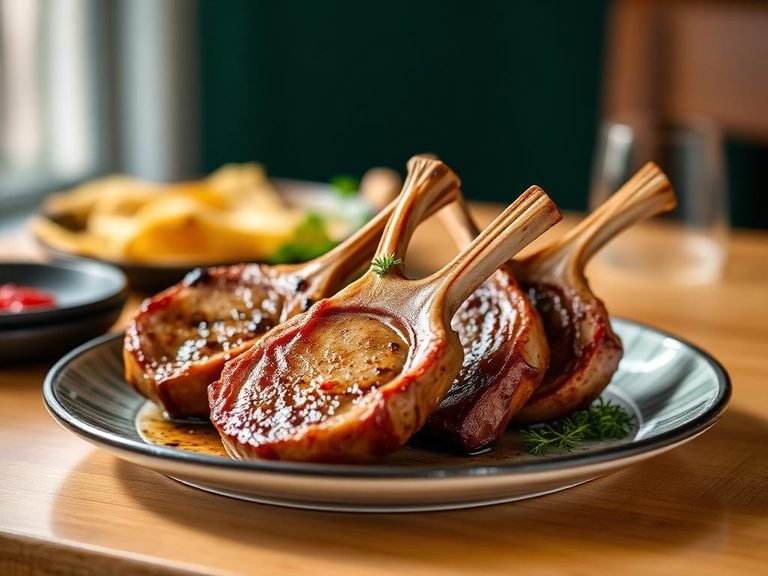
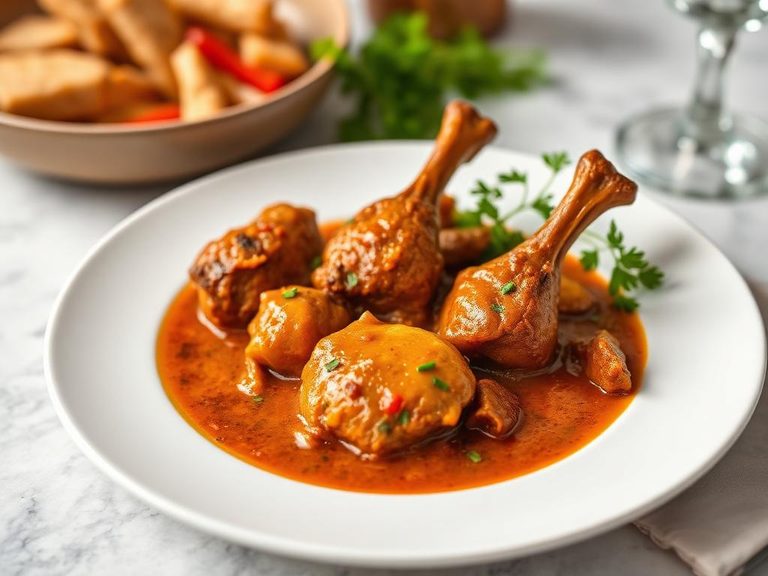
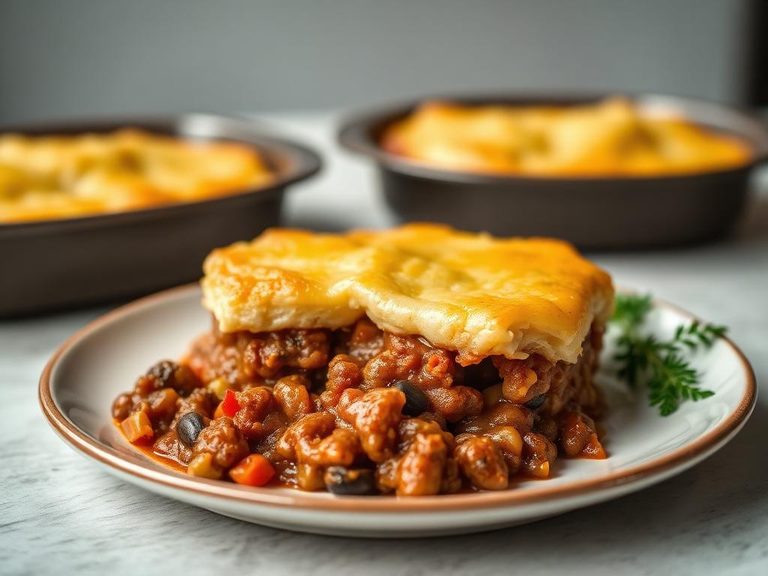
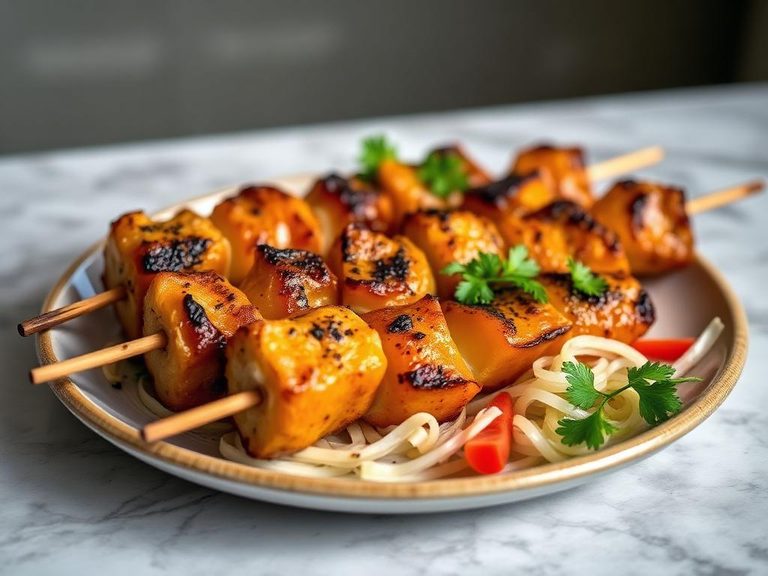
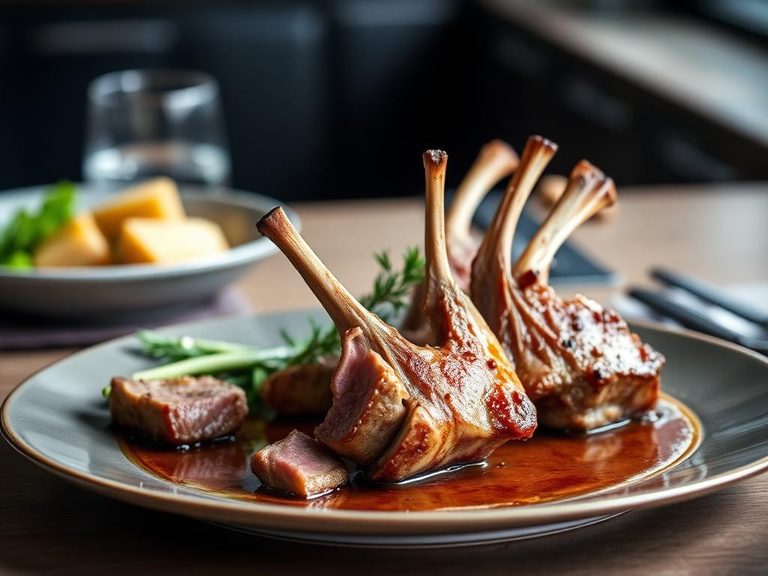
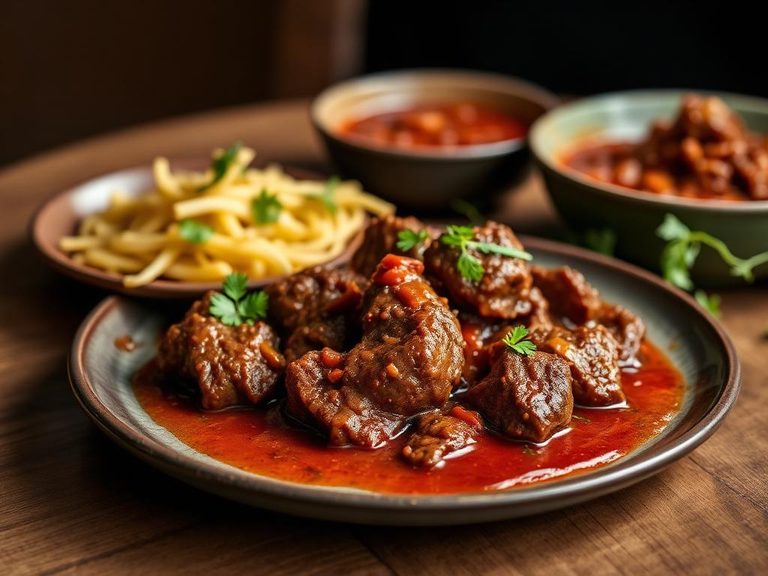
🍽️ Popular dishes
🌍 Where it's eaten
💡 Did you know?
Lamb is one of the earliest domesticated animals, with evidence of sheep herding dating back to around 8,000 BCE in Mesopotamia, making its culinary use older than written history.
Full nutrition (USDA data · scales with serving)
| Water | 60.7 g |
| Energy | 267 kcal |
| Energy | 1117 kj |
| Protein | 16.9 g |
| Total lipid (fat) | 21.6 g |
| Ash | 0.88 g |
| Carbohydrate, by difference | 0.00 g |
| Fiber, total dietary | 0.00 g |
| Calcium, Ca | 12.0 mg |
| Iron, Fe | 1.6 mg |
| Magnesium, Mg | 22.0 mg |
| Phosphorus, P | 160 mg |
| Potassium, K | 230 mg |
| Sodium, Na | 58.0 mg |
| Zinc, Zn | 3.3 mg |
| Copper, Cu | 0.10 mg |
| Manganese, Mn | 0.02 mg |
| Selenium, Se | 19.8 ug |
| Vitamin C, total ascorbic acid | 0.00 mg |
| Thiamin | 0.12 mg |
| Riboflavin | 0.22 mg |
| Niacin | 6.1 mg |
| Pantothenic acid | 0.67 mg |
| Vitamin B-6 | 0.13 mg |
| Folate, total | 18.0 ug |
| Folic acid | 0.00 ug |
| Folate, food | 18.0 ug |
| Folate, DFE | 18.0 ug |
| Vitamin B-12 | 2.4 ug |
| Vitamin A, RAE | 0.00 ug |
| Retinol | 0.00 ug |
| Vitamin A, IU | 0.00 iu |
| Vitamin E (alpha-tocopherol) | 0.21 mg |
| Alcohol, ethyl | 0.00 g |
Fat & fatty acid profile (per 100g)
| Fatty acids, total saturated | 9.5 g |
| SFA 4:0 | 0.00 g |
| SFA 6:0 | 0.00 g |
| SFA 8:0 | 0.00 g |
| SFA 10:0 | 0.06 g |
| SFA 12:0 | 0.10 g |
| SFA 14:0 | 0.87 g |
| SFA 16:0 | 4.8 g |
| SFA 18:0 | 3.0 g |
| Fatty acids, total monounsaturated | 8.9 g |
| MUFA 16:1 | 0.63 g |
| MUFA 18:1 | 8.0 g |
| MUFA 20:1 | 0.00 g |
| MUFA 22:1 | 0.00 g |
| Fatty acids, total polyunsaturated | 1.7 g |
| PUFA 18:2 | 1.2 g |
| PUFA 18:3 | 0.39 g |
| PUFA 18:4 | 0.00 g |
| PUFA 20:4 | 0.07 g |
| PUFA 20:5 n-3 (EPA) | 0.00 g |
| PUFA 22:5 n-3 (DPA) | 0.00 g |
| PUFA 22:6 n-3 (DHA) | 0.00 g |
| Cholesterol | 72.0 mg |
Amino acid profile (per 100g)
| Tryptophan | 0.20 g |
| Threonine | 0.72 g |
| Isoleucine | 0.81 g |
| Leucine | 1.3 g |
| Lysine | 1.5 g |
| Methionine | 0.43 g |
| Cystine | 0.20 g |
| Phenylalanine | 0.69 g |
| Tyrosine | 0.57 g |
| Valine | 0.91 g |
| Arginine | 1.0 g |
| Histidine | 0.54 g |
| Alanine | 1.0 g |
| Aspartic acid | 1.5 g |
| Glutamic acid | 2.5 g |
| Glycine | 0.82 g |
| Proline | 0.71 g |
| Serine | 0.63 g |
FAQ
How do I reduce the 'gamey' taste of lamb?
Soaking the meat in buttermilk or a mild acidic solution like water with lemon juice or vinegar for a few hours before cooking can mellow the flavor. Using aromatic herbs like rosemary, mint, garlic, and spices like cumin also complements and balances the taste.
What's the best way to cook this cut to keep it tender?
For quick cooking methods like grilling or pan-searing, cook to medium-rare or medium (145°F/63°C internal temp) to avoid toughness. For tougher pieces, slow cooking methods like braising or stewing break down connective tissue, resulting in fork-tender meat.
Is the fat on lamb unhealthy?
Lamb fat is primarily saturated, so moderation is key. However, it also contains beneficial nutrients like CLA. Trimming excess fat before cooking and allowing rendered fat to drain off during cooking are practical ways to manage intake while enjoying the flavor.
Nutrient density (calculated · NRF9.3)
Nutrient Rich Foods index: beneficial nutrients (protein, fiber, vitamins, minerals) minus saturated fat, added sugar & sodium, per 100 kcal.
NRF9.3 index — Fulgoni, Keast & Drewnowski, 2009. Computed from USDA nutrients.
Weight-loss friendliness (composite index)
Energy density 2.67 kcal/g · 25% calories from protein · 0.0 g fiber · 0.0 g sugar per 100 g.
Composite of energy density (Rolls et al., 1999), protein & fiber satiety, minus sugar. A calculated heuristic — ranks satiety-per-calorie, not a clinical measure.
Dietary load (calculated from USDA values)
Potential renal acid load. Positive = acid-forming, negative = alkaline-forming.
Sodium-to-potassium ratio: 0.25 (lower is better — aim for ≤ 1)
Sodium:potassium per WHO potassium guidance. Computed from USDA nutrients.