

Kebabs
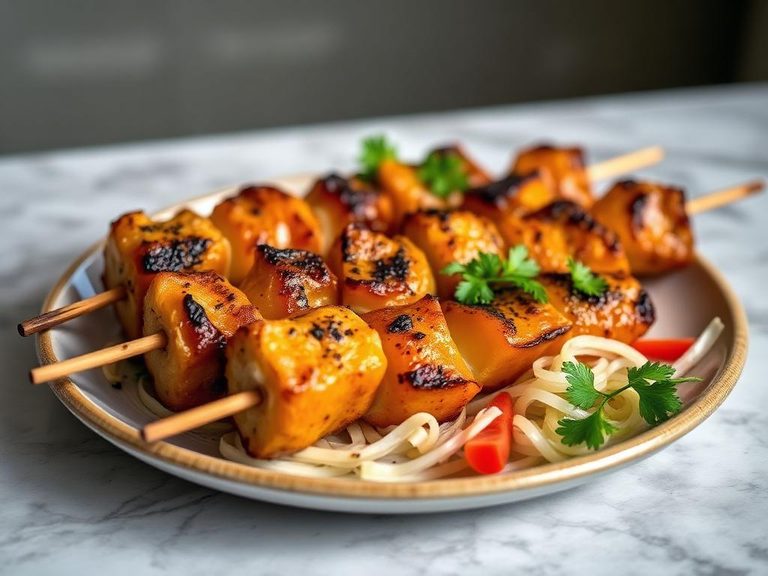
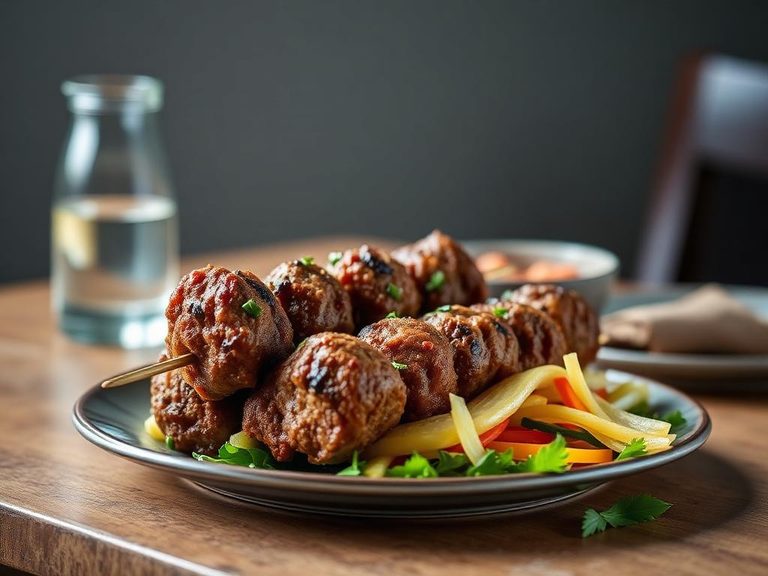
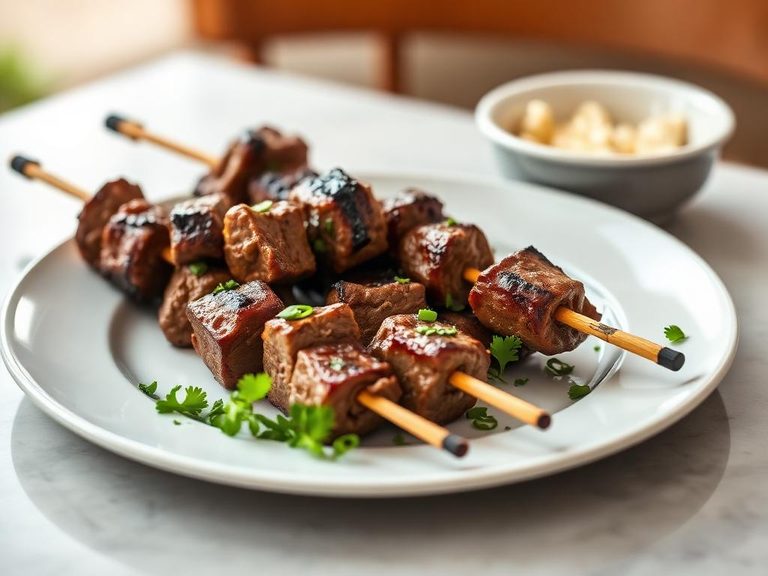
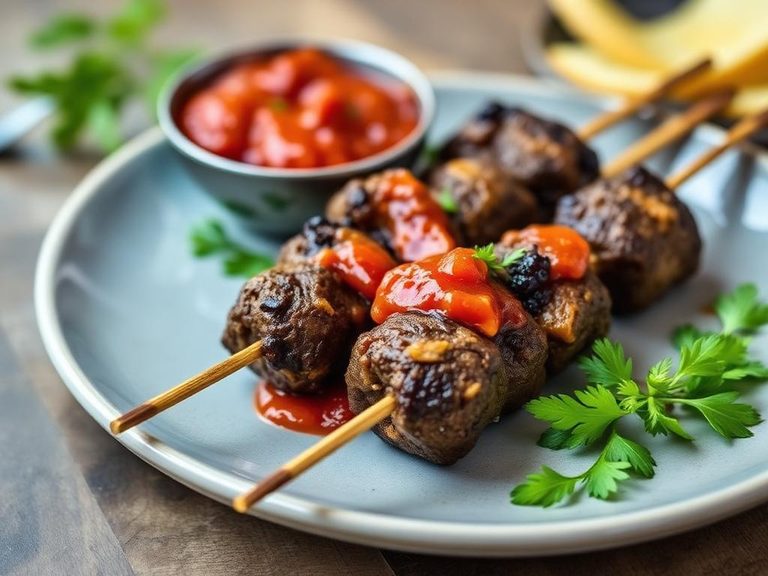
Kebabs are a diverse family of grilled meat dishes, typically featuring small pieces of meat (like lamb, beef, or chicken) skewered and cooked over an open flame or grill. Originating from the Middle East and Central Asia, they often include vegetables like bell peppers, onions, and tomatoes, and are seasoned with aromatic spices such as cumin, coriander, and paprika.
🍽️ Nutrition at a glance
Kebabs are generally high in protein from the meat, with moderate fat depending on the cut, and are low in carbohydrates unless served with bread or rice. A typical serving provides key nutrients like iron, zinc, and B vitamins, and ranges from 250-400 calories per skewer, not including sides.
Nutrition breakdown
| Calories | 350 kcal |
| Protein | 28 g |
| Carbs | 10 g |
| Fat | 22 g |
| Fiber | 2 g |
| Sugar | 4 g |
| Sodium | 680 mg |
| Iron | 3.2 mg |
| Zinc | 5.5 mg |
| Vitamin B12 | 2.8 mcg |
| Niacin (B3) | 8.5 mg |
| Vitamin B6 | 0.6 mg |
| Phosphorus | 220 mg |
| Selenium | 28 mcg |
| Potassium | 310 mg |
Per 4 kebabs (200 g) · estimated, varies by recipe
💡 What's interesting
Culturally, kebab styles vary widely across regions—from Turkish shish kebab to Indian seekh kebab—reflecting local flavors and traditions. Nutritionally, the grilling method allows excess fat to drip away, making it a relatively lean cooking technique compared to frying.
🍽️ Related dishes
AI estimate may be inaccurate · Terms