

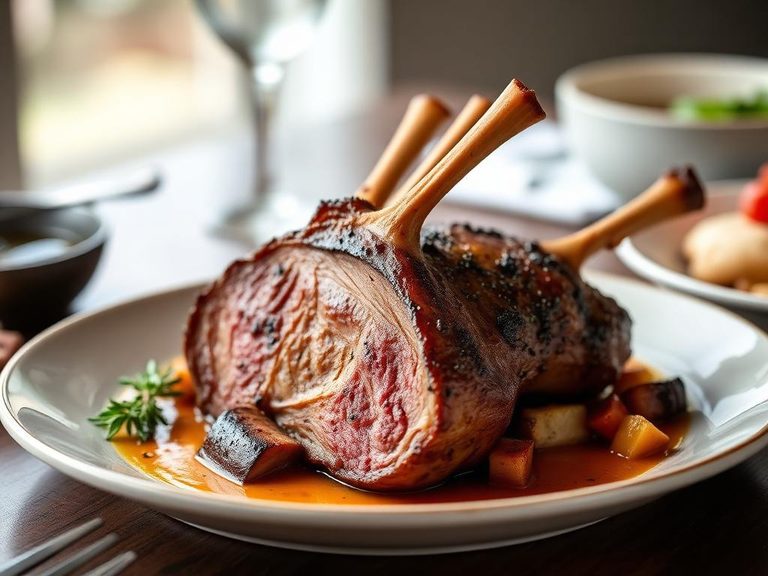
Lamb, New Zealand, imported, hind-shank, separable lean and fat, cooked, braised
Whole food · Lamb, Veal, and Game Products

Photo: Wikipedia
This cut is the lower leg of New Zealand lamb, braised until the lean meat and intramuscular fat meld into a succulent, fork-tender delicacy. The slow-cooking process transforms its connective tissue into rich gelatin, creating a deeply savory, umami-packed flavor with a melt-in-your-mouth texture. It's a protein powerhouse, delivering nearly 30g of high-quality protein per 100g with virtually no carbohydrates.
Calorie split: 48% protein · 0% carbs · 52% fat
↓ Full nutrition💚 Why it's loved
Food lovers cherish the braised lamb shank for its profound, meaty flavor that intensifies with cooking and its luxurious, spoon-tender texture that practically falls off the bone. It's a centerpiece dish that feels both rustic and elegant, perfect for slow Sunday dinners or special occasions.
⚠️ Watch-outs & how to enjoy it better
The high fat and calorie density (over 240 kcal per 100g) means portion control is key for those managing weight. The rich, fatty profile can be heavy for some, and individuals monitoring saturated fat intake should enjoy it occasionally. To balance, pair it with fiber-rich roasted vegetables or a sharp, acidic salad to cut through the richness and aid digestion.
Key benefits
- Excellent source of complete protein for muscle maintenance and repair.
- Rich in heme iron, which is highly bioavailable for preventing anemia.
- Contains zinc, essential for immune function and wound healing.
- Provides B vitamins like B12 and niacin for energy metabolism.
- The gelatin from slow cooking may support gut and joint health.
🍽️ Popular dishes
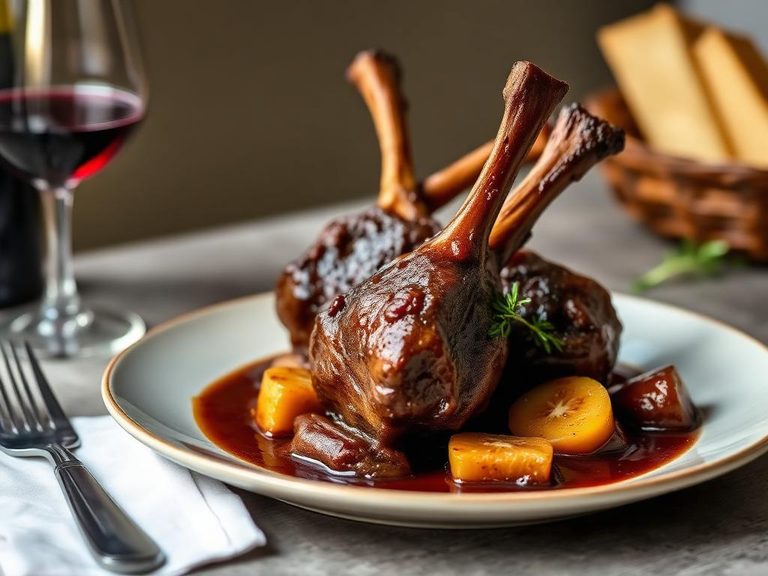
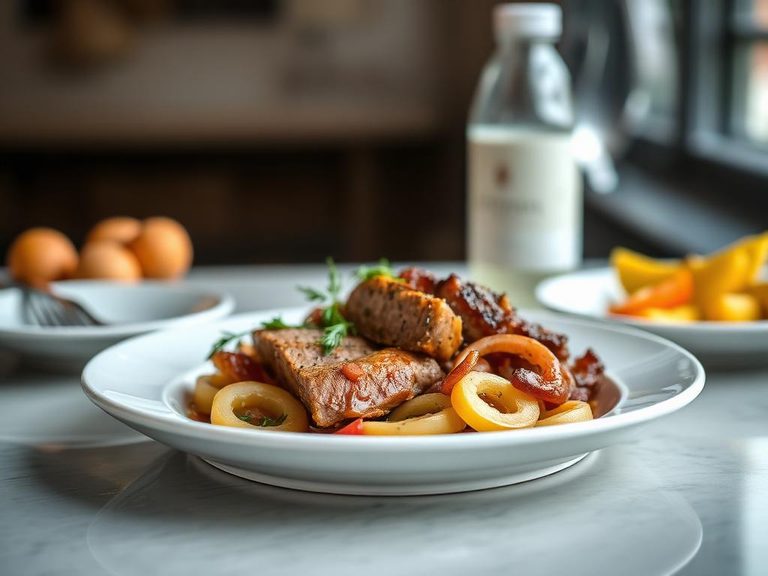
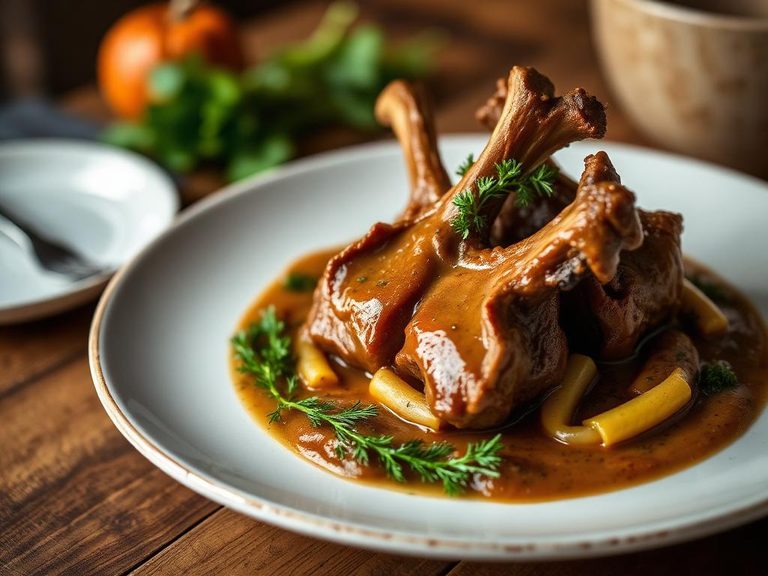
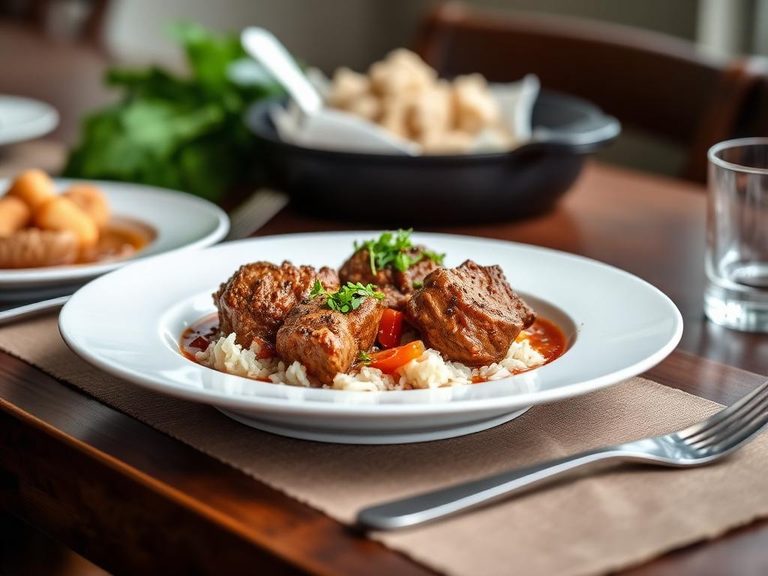
🌍 Where it's eaten
💡 Did you know?
The New Zealand lamb industry is renowned for its pasture-raised, grass-fed animals, which is believed to contribute to a distinct, clean flavor and a favorable fatty acid profile compared to grain-fed lamb.
Full nutrition (USDA data · scales with serving)
| Water | 56.9 g |
| Energy | 247 kcal |
| Energy | 1031 kj |
| Protein | 29.6 g |
| Total lipid (fat) | 14.2 g |
| Ash | 1.0 g |
| Carbohydrate, by difference | 0.04 g |
| Fiber, total dietary | 0.00 g |
| Total Sugars | 0.00 g |
| Calcium, Ca | 8.0 mg |
| Iron, Fe | 2.0 mg |
| Magnesium, Mg | 21.0 mg |
| Phosphorus, P | 170 mg |
| Potassium, K | 249 mg |
| Sodium, Na | 69.0 mg |
| Zinc, Zn | 5.0 mg |
| Copper, Cu | 0.14 mg |
| Manganese, Mn | 0.01 mg |
| Selenium, Se | 8.4 ug |
| Vitamin C, total ascorbic acid | 0.00 mg |
| Thiamin | 0.04 mg |
| Riboflavin | 0.22 mg |
| Niacin | 4.1 mg |
| Pantothenic acid | 0.20 mg |
| Vitamin B-6 | 0.10 mg |
| Vitamin B-12 | 1.5 ug |
| Vitamin A, RAE | 8.0 ug |
| Retinol | 8.0 ug |
| Carotene, beta | 0.00 ug |
| Carotene, alpha | 0.00 ug |
| Cryptoxanthin, beta | 0.00 ug |
| Vitamin A, IU | 26.0 iu |
| Lycopene | 0.00 ug |
| Lutein + zeaxanthin | 0.00 ug |
| Vitamin E (alpha-tocopherol) | 0.57 mg |
| Vitamin D (D2 + D3), International Units | 2.0 iu |
| Vitamin D (D2 + D3) | 0.10 ug |
| Vitamin D3 (cholecalciferol) | 0.10 ug |
| Alcohol, ethyl | 0.00 g |
| Caffeine | 0.00 mg |
| Theobromine | 0.00 mg |
Fat & fatty acid profile (per 100g)
| Fatty acids, total saturated | 5.4 g |
| SFA 4:0 | 0.00 g |
| SFA 6:0 | 0.00 g |
| SFA 8:0 | 0.00 g |
| SFA 10:0 | 0.02 g |
| SFA 12:0 | 0.02 g |
| SFA 14:0 | 0.29 g |
| SFA 16:0 | 2.2 g |
| SFA 17:0 | 0.23 g |
| SFA 18:0 | 2.6 g |
| SFA 20:0 | 0.01 g |
| SFA 22:0 | 0.03 g |
| SFA 24:0 | 0.00 g |
| Fatty acids, total monounsaturated | 4.1 g |
| MUFA 14:1 | 0.01 g |
| MUFA 15:1 | 0.00 g |
| MUFA 16:1 | 0.15 g |
| MUFA 16:1 c | 0.13 g |
| MUFA 17:1 | 0.00 g |
| MUFA 18:1 | 3.9 g |
| MUFA 18:1 c | 3.3 g |
| MUFA 20:1 | 0.00 g |
| MUFA 22:1 | 0.00 g |
| MUFA 22:1 c | 0.00 g |
| MUFA 24:1 c | 0.00 g |
| Fatty acids, total polyunsaturated | 0.69 g |
| PUFA 18:2 | 0.42 g |
| PUFA 18:2 n-6 c,c | 0.20 g |
| PUFA 18:2 CLAs | 0.21 g |
| PUFA 18:3 | 0.17 g |
| PUFA 18:3 n-3 c,c,c (ALA) | 0.17 g |
| PUFA 18:3 n-6 c,c,c | 0.00 g |
| PUFA 18:4 | 0.00 g |
| PUFA 20:2 n-6 c,c | 0.00 g |
| PUFA 20:3 | 0.00 g |
| PUFA 20:3 n-3 | 0.00 g |
| PUFA 20:3 n-6 | 0.00 g |
| PUFA 20:4 | 0.04 g |
| PUFA 20:4 n-6 | 0.04 g |
| PUFA 20:5 n-3 (EPA) | 0.03 g |
| PUFA 22:5 n-3 (DPA) | 0.03 g |
| PUFA 22:6 n-3 (DHA) | 0.01 g |
| Fatty acids, total trans | 0.65 g |
| Fatty acids, total trans-monoenoic | 0.65 g |
| TFA 16:1 t | 0.02 g |
| TFA 18:1 t | 0.63 g |
| TFA 18:2 t,t | 0.00 g |
| Fatty acids, total trans-polyenoic | 0.00 g |
| Cholesterol | 111 mg |
Amino acid profile (per 100g)
| Tryptophan | 0.33 g |
| Threonine | 1.4 g |
| Isoleucine | 1.3 g |
| Leucine | 2.3 g |
| Lysine | 2.6 g |
| Methionine | 0.96 g |
| Cystine | 0.39 g |
| Phenylalanine | 1.2 g |
| Tyrosine | 1.0 g |
| Valine | 1.5 g |
| Arginine | 2.0 g |
| Histidine | 0.63 g |
| Alanine | 1.5 g |
| Glutamic acid | 4.1 g |
| Glycine | 1.3 g |
| Proline | 0.95 g |
| Serine | 1.0 g |
FAQ
What's the best way to cook lamb shanks for tenderness?
Low and slow is essential. Braise them in liquid (like stock, wine, or tomatoes) at a low temperature (around 325°F/160°C) for 2.5-3 hours, or until the meat is easily pierced with a fork.
Is there a lot of waste (bone) in a lamb shank?
Yes, a significant portion of the weight is bone. A typical raw shank might weigh 400-500g, yielding about 200-250g of cooked, edible meat and fat.
How does it differ from other lamb cuts?
The hind shank is more worked and sinewy than loin or leg, making it ideal for slow cooking. It's less tender but often more flavorful and economical than premium cuts.
Nutrient density (calculated · NRF9.3)
Nutrient Rich Foods index: beneficial nutrients (protein, fiber, vitamins, minerals) minus saturated fat, added sugar & sodium, per 100 kcal.
NRF9.3 index — Fulgoni, Keast & Drewnowski, 2009. Computed from USDA nutrients.
Weight-loss friendliness (composite index)
Energy density 2.47 kcal/g · 48% calories from protein · 0.0 g fiber · 0.0 g sugar per 100 g.
Composite of energy density (Rolls et al., 1999), protein & fiber satiety, minus sugar. A calculated heuristic — ranks satiety-per-calorie, not a clinical measure.
Dietary load (calculated from USDA values)
Potential renal acid load. Positive = acid-forming, negative = alkaline-forming.
Sodium-to-potassium ratio: 0.28 (lower is better — aim for ≤ 1)
Sodium:potassium per WHO potassium guidance. Computed from USDA nutrients.