

Lamb, New Zealand, imported, heart, cooked, soaked and simmered
Whole food · Lamb, Veal, and Game Products
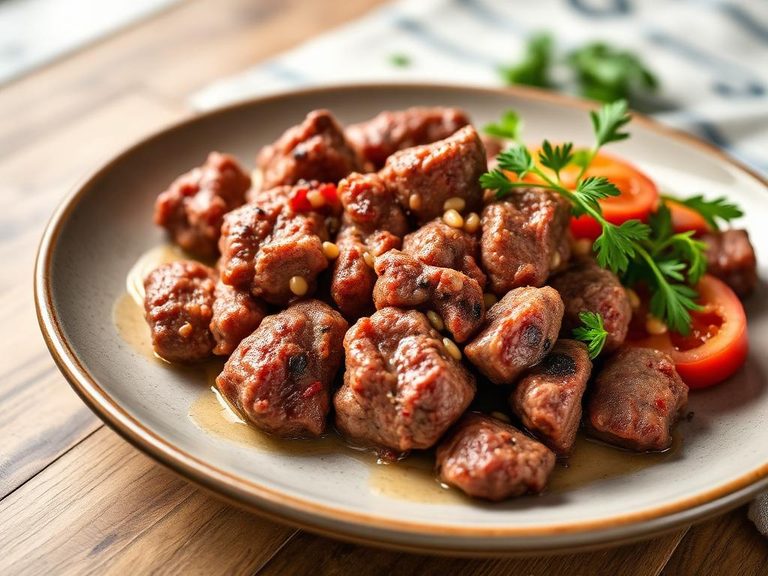
New Zealand lamb heart is a lean, iron-rich organ meat with a dense, fine-grained texture similar to a tender steak, offering a deep, subtly gamey flavor. Its high protein-to-fat ratio makes it a nutritional powerhouse, delivering a significant amount of bioavailable iron and B12 in a compact serving.
Calorie split: 65% protein · 0% carbs · 35% fat
↓ Full nutrition💚 Why it's loved
Food enthusiasts cherish lamb heart for its clean, meaty flavor that intensifies with proper preparation, offering a more complex taste than muscle meat. Its versatility allows it to be grilled, stewed, or ground, making it a prized ingredient in both rustic and refined cuisines.
⚠️ Watch-outs & how to enjoy it better
The strong, distinctive flavor and unfamiliar texture can be off-putting to those new to organ meats. Individuals managing gout or purine-sensitive conditions should moderate intake, and proper soaking and simmering are recommended to reduce any residual gamey notes.
Key benefits
- Excellent source of highly bioavailable heme iron.
- Rich in vitamin B12, essential for nerve function and red blood cell formation.
- Provides high-quality, complete protein with all essential amino acids.
- Very low in carbohydrates, making it suitable for ketogenic and low-carb diets.
- Contains CoQ10, an antioxidant that supports cellular energy production.
🍽️ Popular dishes
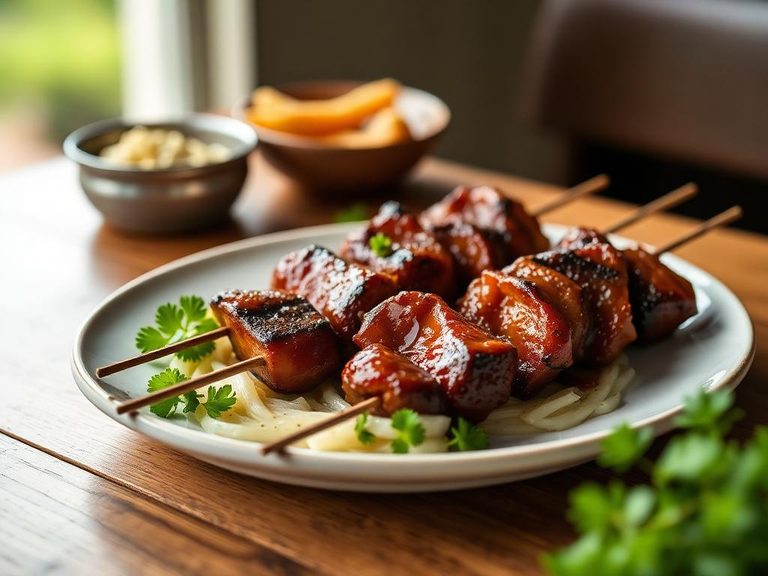
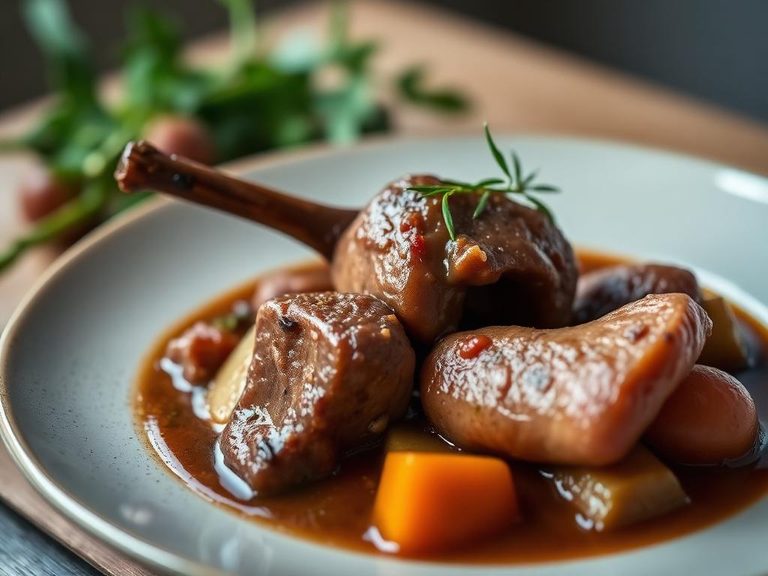

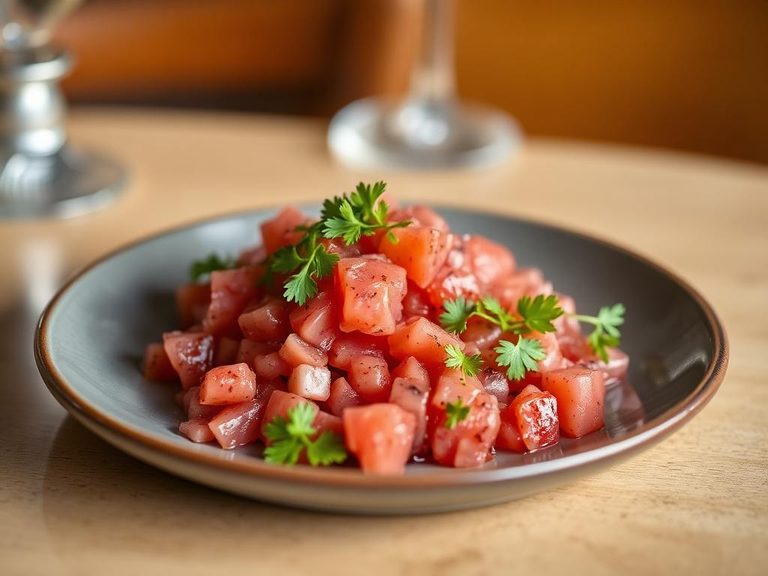
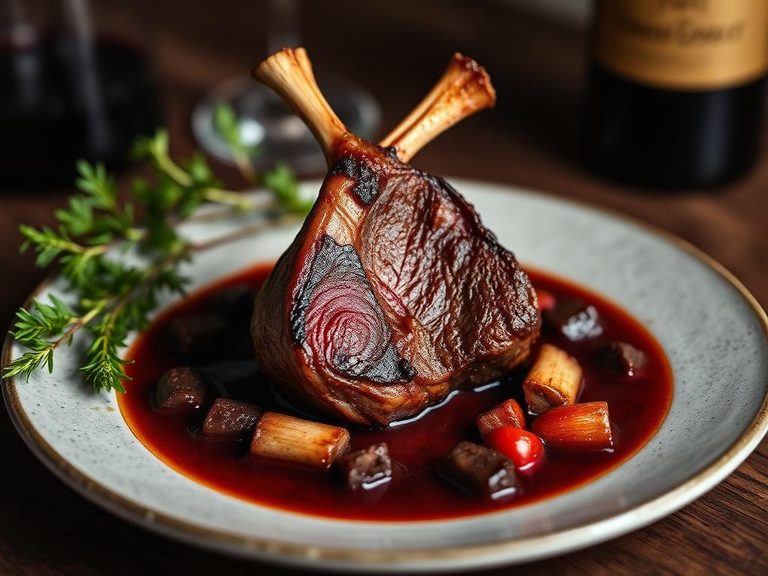
🌍 Where it's eaten
💡 Did you know?
A single lamb heart is roughly the size of a human fist and can weigh between 150 to 200 grams, yet it is anatomically a very efficient pump, beating over 100 times per minute in the living animal.
Full nutrition (USDA data · scales with serving)
| Water | 66.7 g |
| Energy | 161 kcal |
| Energy | 673 kj |
| Protein | 26.3 g |
| Total lipid (fat) | 6.2 g |
| Ash | 0.94 g |
| Carbohydrate, by difference | 0.00 g |
| Fiber, total dietary | 0.00 g |
| Total Sugars | 0.00 g |
| Calcium, Ca | 5.0 mg |
| Iron, Fe | 4.9 mg |
| Magnesium, Mg | 22.0 mg |
| Phosphorus, P | 237 mg |
| Potassium, K | 187 mg |
| Sodium, Na | 67.0 mg |
| Zinc, Zn | 2.7 mg |
| Copper, Cu | 0.64 mg |
| Manganese, Mn | 0.03 mg |
| Selenium, Se | 20.3 ug |
| Vitamin C, total ascorbic acid | 0.00 mg |
| Thiamin | 0.23 mg |
| Riboflavin | 0.84 mg |
| Niacin | 4.2 mg |
| Pantothenic acid | 1.8 mg |
| Vitamin B-6 | 0.13 mg |
| Vitamin B-12 | 9.2 ug |
| Vitamin A, RAE | 4.0 ug |
| Retinol | 4.0 ug |
| Carotene, beta | 0.00 ug |
| Carotene, alpha | 0.00 ug |
| Cryptoxanthin, beta | 0.00 ug |
| Vitamin A, IU | 12.0 iu |
| Lycopene | 0.00 ug |
| Lutein + zeaxanthin | 0.00 ug |
| Vitamin E (alpha-tocopherol) | 0.63 mg |
| Vitamin D (D2 + D3), International Units | 2.0 iu |
| Vitamin D (D2 + D3) | 0.10 ug |
| Vitamin D3 (cholecalciferol) | 0.10 ug |
| Alcohol, ethyl | 0.00 g |
| Caffeine | 0.00 mg |
| Theobromine | 0.00 mg |
Fat & fatty acid profile (per 100g)
| Fatty acids, total saturated | 2.0 g |
| SFA 4:0 | 0.00 g |
| SFA 6:0 | 0.00 g |
| SFA 8:0 | 0.00 g |
| SFA 10:0 | 0.01 g |
| SFA 12:0 | 0.01 g |
| SFA 14:0 | 0.11 g |
| SFA 16:0 | 0.67 g |
| SFA 17:0 | 0.08 g |
| SFA 18:0 | 1.1 g |
| SFA 20:0 | 0.01 g |
| SFA 22:0 | 0.02 g |
| SFA 24:0 | 0.00 g |
| Fatty acids, total monounsaturated | 1.0 g |
| MUFA 14:1 | 0.00 g |
| MUFA 15:1 | 0.00 g |
| MUFA 16:1 | 0.03 g |
| MUFA 16:1 c | 0.03 g |
| MUFA 17:1 | 0.00 g |
| MUFA 18:1 | 0.97 g |
| MUFA 18:1 c | 0.81 g |
| MUFA 20:1 | 0.00 g |
| MUFA 22:1 | 0.00 g |
| MUFA 22:1 c | 0.00 g |
| MUFA 24:1 c | 0.00 g |
| Fatty acids, total polyunsaturated | 0.93 g |
| PUFA 18:2 | 0.52 g |
| PUFA 18:2 n-6 c,c | 0.46 g |
| PUFA 18:2 CLAs | 0.06 g |
| PUFA 18:3 | 0.15 g |
| PUFA 18:3 n-3 c,c,c (ALA) | 0.15 g |
| PUFA 18:3 n-6 c,c,c | 0.00 g |
| PUFA 18:4 | 0.00 g |
| PUFA 20:2 n-6 c,c | 0.00 g |
| PUFA 20:3 | 0.01 g |
| PUFA 20:3 n-3 | 0.00 g |
| PUFA 20:3 n-6 | 0.01 g |
| PUFA 20:4 | 0.12 g |
| PUFA 20:4 n-6 | 0.12 g |
| PUFA 20:5 n-3 (EPA) | 0.07 g |
| PUFA 22:5 n-3 (DPA) | 0.04 g |
| PUFA 22:6 n-3 (DHA) | 0.03 g |
| Fatty acids, total trans | 0.16 g |
| Fatty acids, total trans-monoenoic | 0.16 g |
| TFA 16:1 t | 0.01 g |
| TFA 18:1 t | 0.16 g |
| TFA 18:2 t,t | 0.00 g |
| Fatty acids, total trans-polyenoic | 0.00 g |
| Cholesterol | 186 mg |
Amino acid profile (per 100g)
| Tryptophan | 0.29 g |
| Threonine | 1.3 g |
| Isoleucine | 1.2 g |
| Leucine | 2.0 g |
| Lysine | 2.3 g |
| Methionine | 0.86 g |
| Cystine | 0.34 g |
| Phenylalanine | 1.0 g |
| Tyrosine | 0.91 g |
| Valine | 1.3 g |
| Arginine | 1.8 g |
| Histidine | 0.56 g |
| Alanine | 1.3 g |
| Glutamic acid | 3.7 g |
| Glycine | 1.1 g |
| Proline | 0.84 g |
| Serine | 0.90 g |
FAQ
How do I prepare lamb heart to reduce its strong flavor?
Soak the heart in cold water or milk for 1-2 hours before cooking, then trim away any tough valves or sinew. Simmering it slowly in a flavorful broth or wine-based stew helps tenderize it and mellow the taste.
Is lamb heart safe to eat rare or raw?
When sourced from a reputable supplier and handled with strict hygiene, lamb heart can be prepared as tartare or seared rare. However, thorough cooking is always recommended for food safety, especially for immunocompromised individuals.
How does lamb heart compare nutritionally to lamb muscle meat?
Lamb heart is significantly leaner and contains far more iron and B12 per gram than lamb leg or shoulder. It has a similar protein content but much less fat, making it a more nutrient-dense choice.
Nutrient density (calculated · NRF9.3)
Nutrient Rich Foods index: beneficial nutrients (protein, fiber, vitamins, minerals) minus saturated fat, added sugar & sodium, per 100 kcal.
NRF9.3 index — Fulgoni, Keast & Drewnowski, 2009. Computed from USDA nutrients.
Weight-loss friendliness (composite index)
Energy density 1.61 kcal/g · 65% calories from protein · 0.0 g fiber · 0.0 g sugar per 100 g.
Composite of energy density (Rolls et al., 1999), protein & fiber satiety, minus sugar. A calculated heuristic — ranks satiety-per-calorie, not a clinical measure.
Dietary load (calculated from USDA values)
Potential renal acid load. Positive = acid-forming, negative = alkaline-forming.
Sodium-to-potassium ratio: 0.36 (lower is better — aim for ≤ 1)
Sodium:potassium per WHO potassium guidance. Computed from USDA nutrients.